We are the story keepers now.
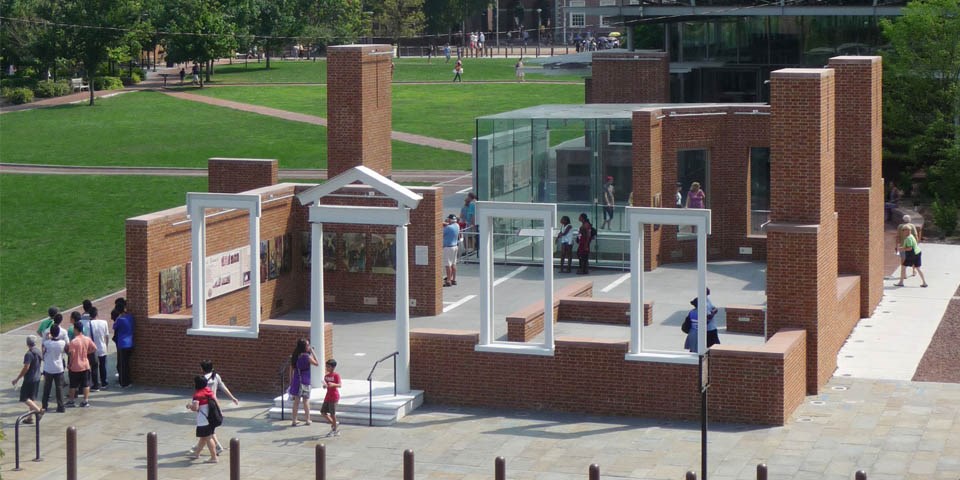
I’ve been thinking a lot about Philadelphia. City of Brotherly Love. Home of cheesesteaks, Philly Soul, the “Rocky” steps. And the President’s House site where George Washington and John Adams lived as the White House in Washington, D.C. was under construction.
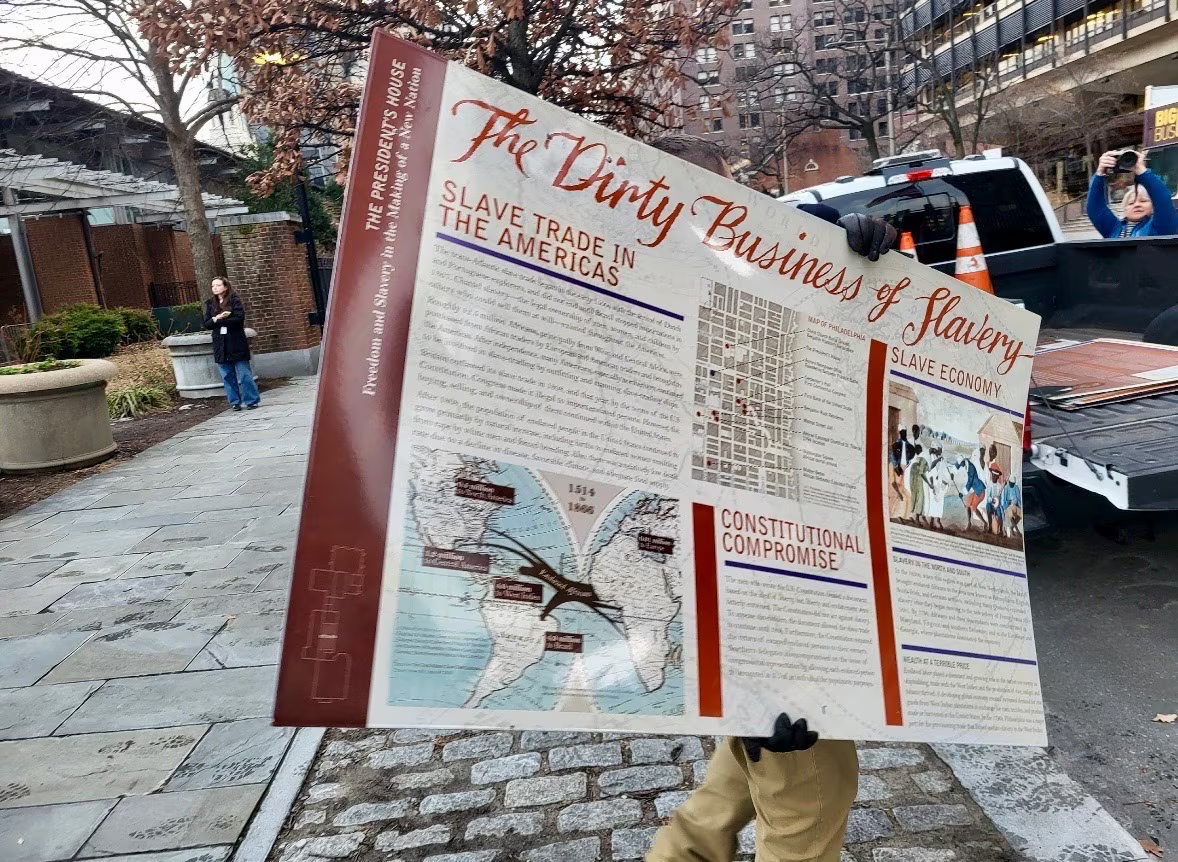
The site is part of Independence National Historical Park, and until late January of this year, featured a memorial consisting of videos and plaques about Washington's slaves who accompanied him to Philadelphia. The irony is obvious, a Founding Father who fought for freedom was himself a slave owner.
The National Park Service removed the plaques as part of a broad effort by the current administration to recast the American story into one of triumphal virtue. The drafters of the Declaration of Independence—Washington, Adams, Jefferson and Franklin—could be both for freedom and own slaves. They were not perfect men; their views were complicated and framed by their times. They excused slavery and ignored the rights of women. To deny or paper over those facts does a grave disservice to those men and to all of us.
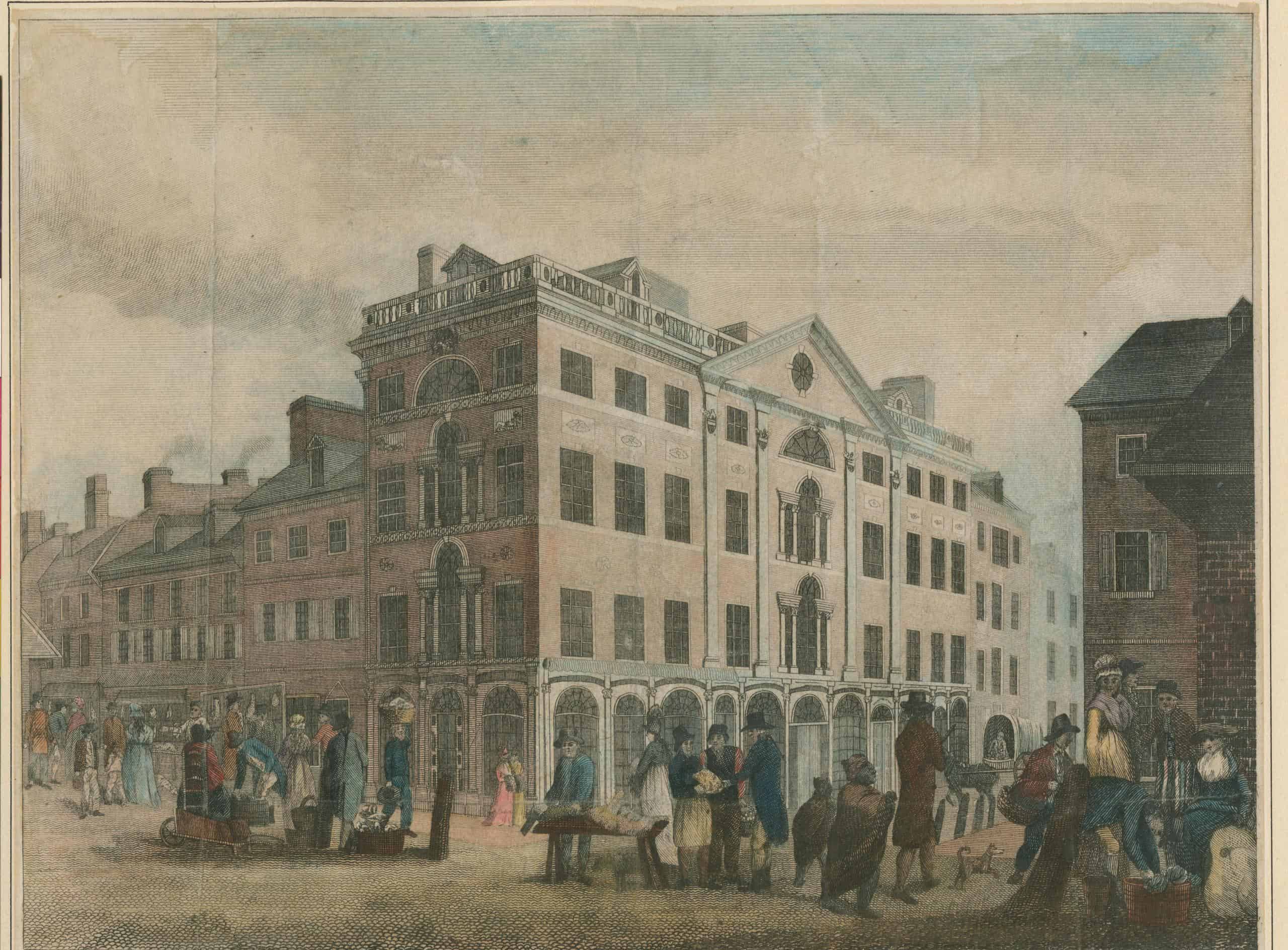
I’ve also been thinking about another historical site: the Library Company of Philadelphia founded as a scholarly club in 1731 by a 25-year-old Benjamin Franklin whose aim was to provide affordable access to books. While initially a subscription library, by 1741 the Library had opened to non-club members, providing an early framework for today’s public library.
The Library’s collections were broad. This description from a 1976 text by Edwin Wolf claimed the Library contained “virtually every significant work on political theory, history, law and statecraft (and much else besides) could be found on the Library Company's shelves, as well as numerous tracts and polemical writings by American as well as European authors. And virtually all of those works that were influential in framing the minds of the Framers of the nation are still on the Library Company's shelves.” The Library has been in continuous operation since its founding and recently became affiliated with Temple University.
I think about these two Philadelphia landmarks because they illuminate an essential question of our current times: whose narrative matters? And who has the right to tell it?
Clint Smith, the author of the brilliant article "Those Who Try to Erase History Will Fail," posited in The Atlantic that it will be up to private museums to preserve our nation’s history. As a history buff who grew up feasting on the Smithsonian exhibits, I hope it doesn’t come to that. Private means money, fees and privilege, and such projects will be undoubtedly difficult to establish and maintain. And those who have the means and choose to build them may not be inclined to share their fruits.
This is why libraries and other public institutions are so important and necessary: to understand our past and prepare for the future, to exalt in achievements and be humbled by the shameful. We went to the moon and back, and we treated American citizens as “less than” for centuries.
Rather than hide our blemishes, we should embrace them–and vow to do better.

Diane Kresh
Director, Arlington Public Library