I Hear America
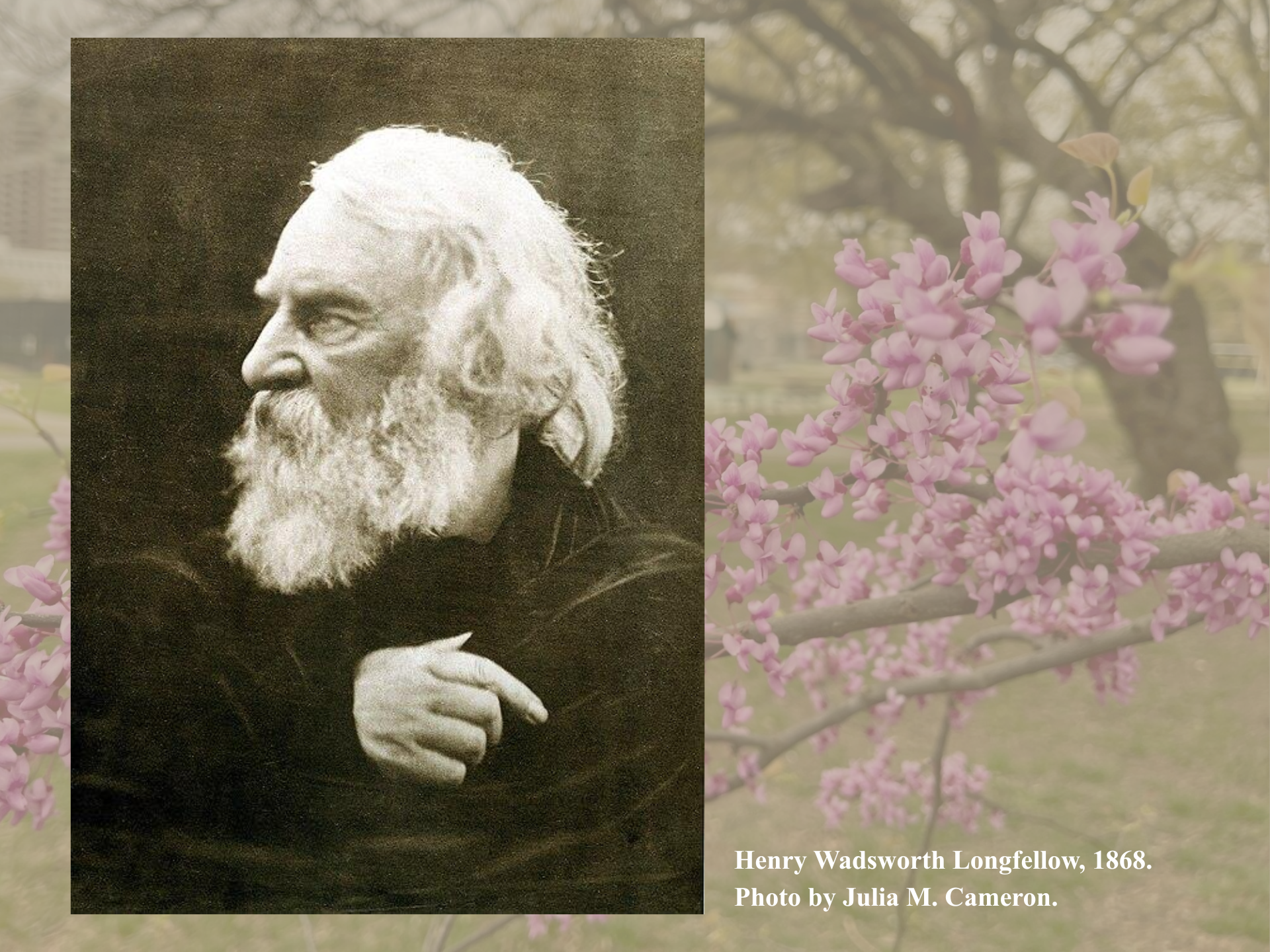
April is National Poetry Month, and I am reminded of two poems I first read in elementary school: “Paul Revere’s Ride” and “I Hear America Singing.”
Henry Wadsworth Longfellow was a 19th-century celebrity poet whose "Paul Revere's Ride,” published in 1861, was written to inspire patriotism and unity among his fellow Americans on the eve of the Civil War. Composed in a propulsive anapestic tetrameter to mimic the hoofbeats of galloping horses, the poem made a folk hero of Revolutionary War patriot Revere and evoked the valor of those who thundered off to give rise to a new nation.
“Listen my children and you shall hear
Of the midnight ride of Paul Revere" …
Dum dada dum dada dum dada DUM.
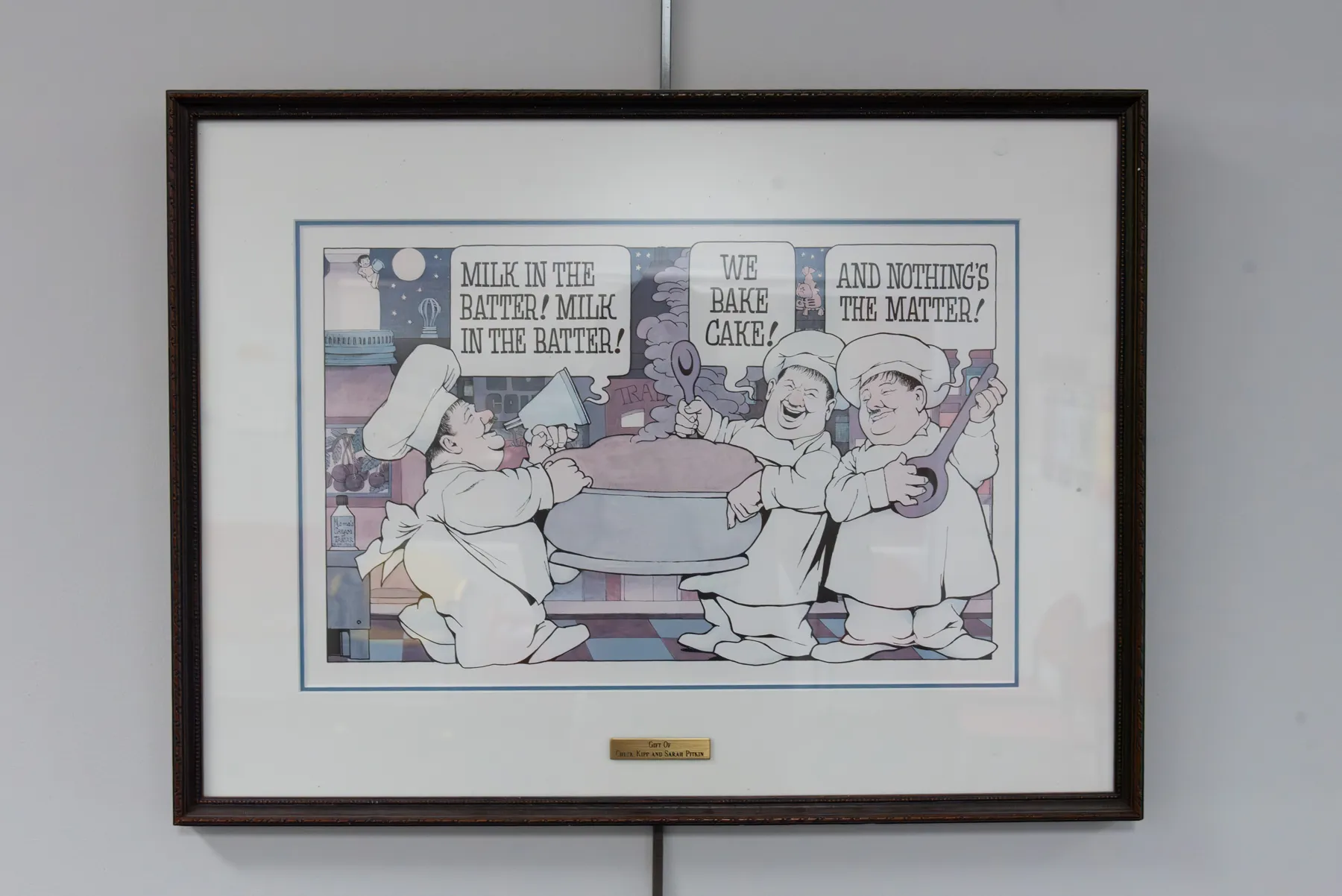
Decades after his ride, Revere established the Revere Copper Company (later Revere Copper and Brass, Inc.)—producer of Revere Ware—a staple of mid-20th-century household kitchens. I wonder how many cooks featured in this year’s Arlington Reads “Stirs It Up” series got their start using these copper-bottomed pots and pans in their parents’ kitchens?
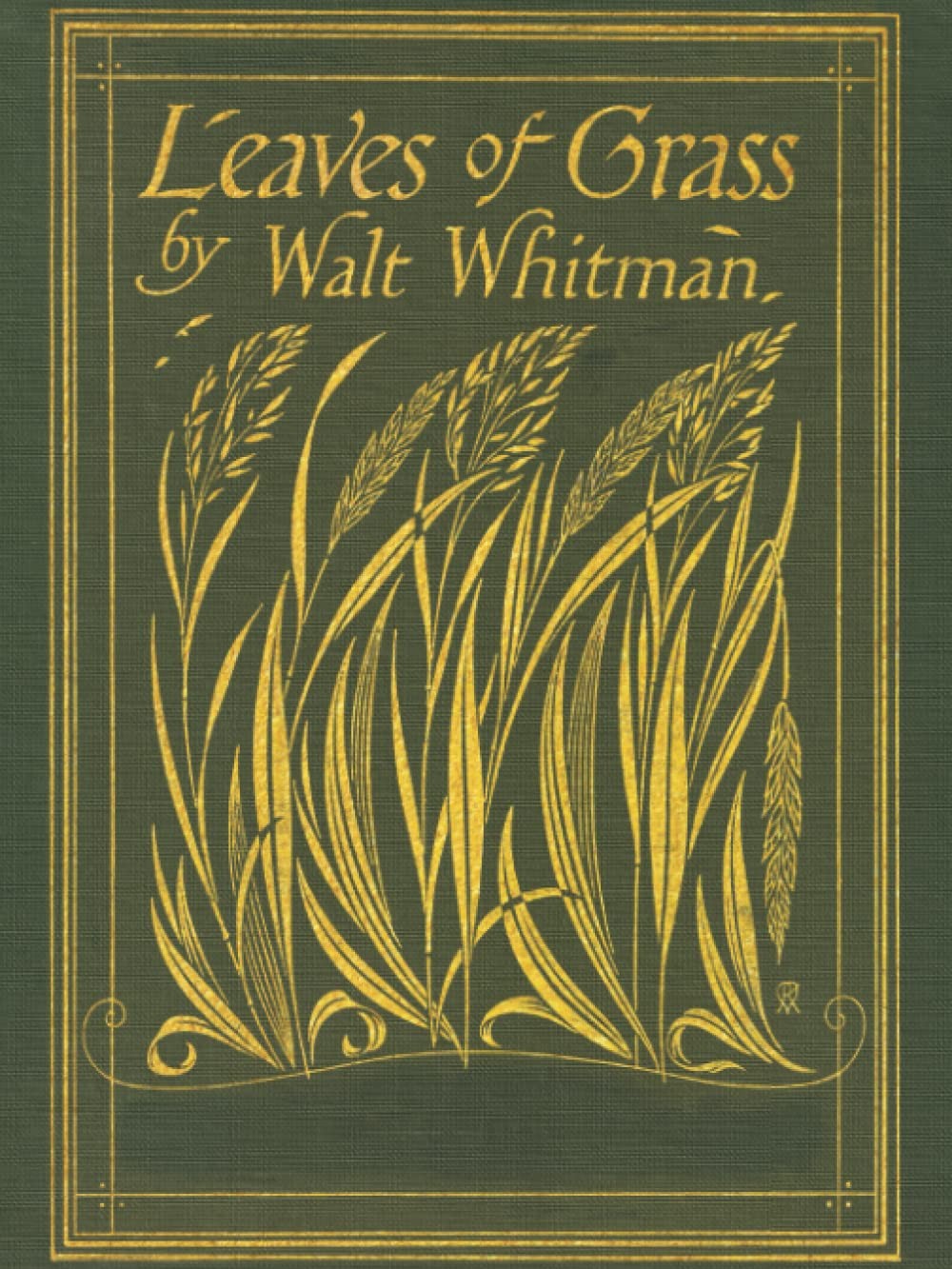
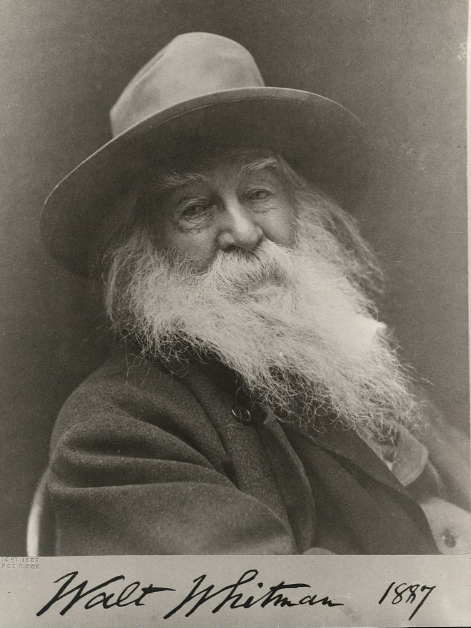
Walt Whitman’s “I Hear America Singing” was included in the third edition of Leaves of Grass, published in 1860. It is a paean to the dignity, pride and individual voices of working-class Americans—uplifting, patriotic and joyful. And yet, the song of a harmonious America was not sung by all. Whitman’s optimism was soon enough shattered by the brutality of the Civil War he saw in Washington, D.C., while nursing wounded soldiers.
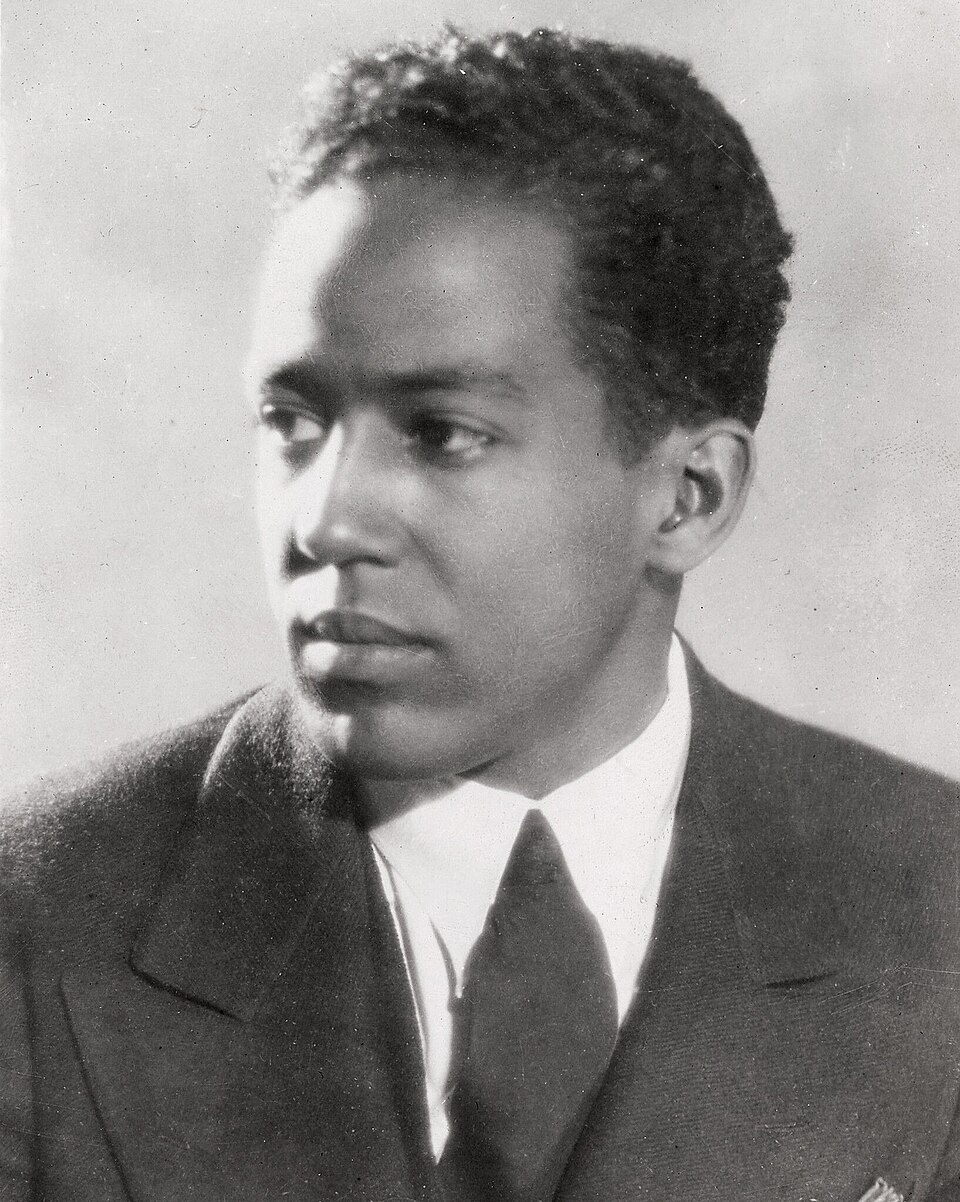
Langston Hughes published “I, Too” in 1926—the 150th anniversary of the signing of the Declaration of Independence. As a Black American, Hughes despaired of realizing the essential truth of the document, “that all men are created equal, that they are endowed by their Creator with certain unalienable Rights, that among these are Life, Liberty and the pursuit of Happiness.” An homage and counterpoint to Whitman’s “I Hear America Singing,” Hughes asserts Black Americans will one day claim their rightful “seat at the table.”
Longfellow, Whitman and Hughes, each writing in a different context and time, appealed to our better natures to unite in common cause and reach the promise of freedom from oppression; equality among genders, race, and religions; and justice for all.
At the close of the Constitutional Convention in September 1787, Elizabeth Willing Powel—a power player in Philadelphia society and political circles which included George Washington—famously asked Delegate Benjamin Franklin, “What have we got, a republic or a monarchy?" Franklin replied, "A republic... if you can keep it."
The question is no less relevant today.
Happy National Poetry Month.

Diane Kresh
Director, Arlington Public Library






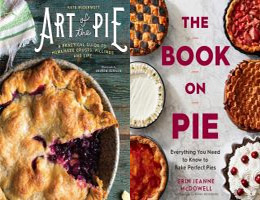
 ) books.