• Skip to primary navigation
  • Skip to main content
  • Skip to footer

Alert

Holiday: All library locations closed Fri., June 19, for Juneteenth. More Info

Alert

Update: Elevator outages, maintenance and upgrades at Central Library More Info

Alert

Storytimes Will “Take a Nap” through June 20 More Info

Home - Arlington County Virginia - Logo
MENUMENU
  • Join Now
  • My Account
    • Login
    • My Checkouts
    • My Holds
    • My Lists
    • My Reading History
    • About Borrowing
    • About Holds
    • About My Account
  • Hours & Locations
    • All Hours & Locations
    • Holiday Closings
  • News
    • Library News
    • Director's Blog
    • Get Email Updates
  • Contact Us

Arlington Public Library

MENUMENU
  • Search
  • Collections
  • Library Services
  • Events
  • Community Engagement
  • Join Now
  • My Account
    • Login
    • About Borrowing
    • About Holds
    • About My Account
  • Hours & Locations
    • All Hours & Locations
    • Holiday Closings
  • News
    • Library Blog
    • Get Email Updates
  • Contact Us

Web Editor

Rediscover Brandymore Castle

Post Published: April 11, 2019

Want to Hike to the Local "Castle"?

An easy walk within Madison Manor Park, off the paved bicycle/pedestrian path next to I-66, stands a quartz outcrop of rock near the border between current City of Falls Church and Arlington.
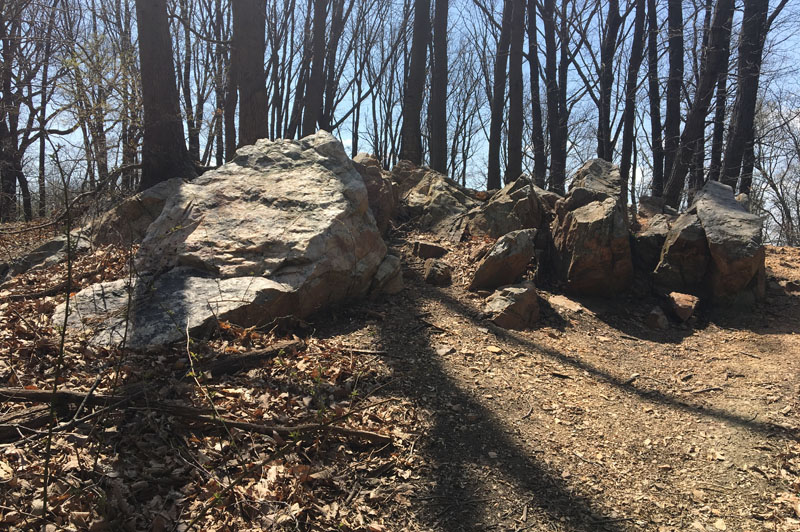
Photo of an outcropping of boulders

Photo take 2018, Arlington County Historic Preservation Program

In 1649, Charles II, King of England, Scotland, and Ireland, granted seven Englishmen all the land between the Potomac and Rappahannock rivers as a proprietary colony - despite being in exile and not having the power to do so. The grant was known as the Northern Neck land grant as it encompassed 5,282,000 acres of Virginia’s Northern Neck. This land had previously been (and partially still inhabited by) the Monacan Indian Nation, the Doeg, the Mannahoac, and the Powhatan, among other groups, and had been transferred without their permission.

Surveyor Charles Broadwater had travelled from Surrey in England, to Virginia several times in the six years prior to finally settling in the area in 1716. He and his wife Elizabeth Semmes West had two children. He immediately became very involved with the community, building a wharf near Great Hunt Creek (now Alexandria) and becoming a vestryman for Truro parish (largely in southern Fairfax County.)

On January 15, 1724, Charles received one of the Northern Neck land grant parcels NN-A-113, a 151-acre tract straddling the line between Fairfax and what is now Arlington. This was only a small part of his land holdings; between 1724-1726 he owned 2,089 acres.
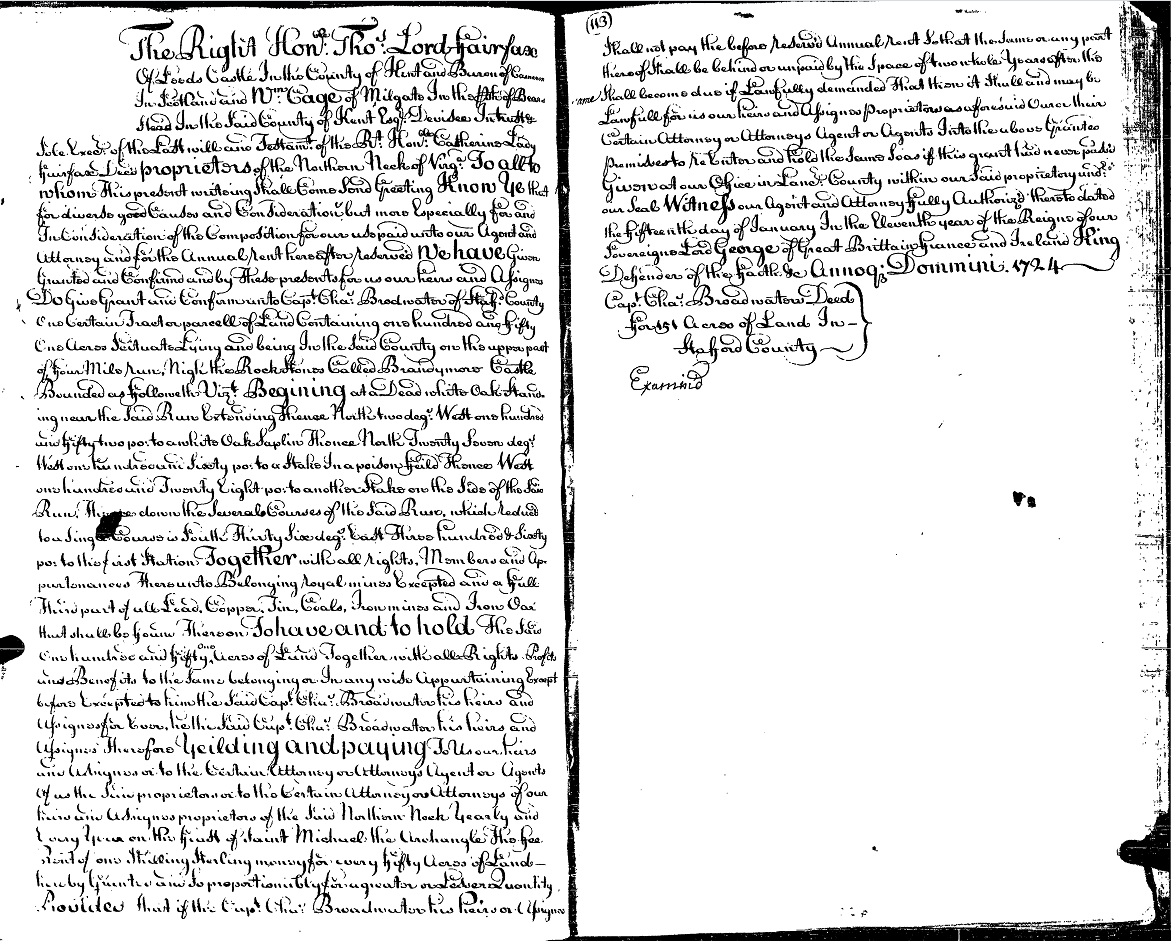
hand written land grant, 1722

Land grant to Charles Broadwater with Brandymore Castle noted as a wayfinding marker, courtesy of the Library of Virginia, Virginia Land Office Patents and Grants, Grants A 1722-1726

Landowners were required to fulfill a number of requirements to ‘perfect’ or take complete claim of the grant, including paying taxes, surveying the property boundaries, and constructing a building. Virginia was still only minimally developed, with hundreds of acres with barely a sign of European presence, so memorable natural elements in the landscape were important wayfinders for surveyors and early settlers.  The earliest named record of the quartz outcrop near the border between current City of Falls Church and Arlington is by Charles Broadwater himself, who described it in 1724.

The origin of the name is unknown- there is no Brandymore in Surrey, and Charles Broadwater made no reference to how he settled on the name, or who had named it before him. However, the name stuck not only in his notations, but also in official land records. Brandymore Castle went on to be mentioned in five other Northern Neck land grants as a key landmark in the earliest proprietary land surveys of Virginia.

In 1986, Arlington County’s Historical Affairs and Landmark Review Board (HALRB) recommended that the County Board designate Brandymore Castle as a local historic district to recognize its role in and representation of early settlement in Arlington.

The limestone outcrop has changed over the centuries as it has weathered almost 300 years since it was first seen by Charles Broadwater. It stands as a tangible reminder of the natural beauty that once dominated a rural landscape. This oft-forgotten stone outcrop was once a beacon for hundreds of acres of undisturbed forest.

In 2001 one of the larger stones was defaced by vandals. This required specialized cleaning with environmentally safe methods on the part of the Arlington County Parks Department. Because regular cleaning agents can be extremely harmful to the stone, and the runoff would have been toxic to the natural environment around it, the stone had to be sandblasted and then hand cleaned with water.

If you visit today, you’ll notice that even now one of the stones is noticeably brighter than the rest!
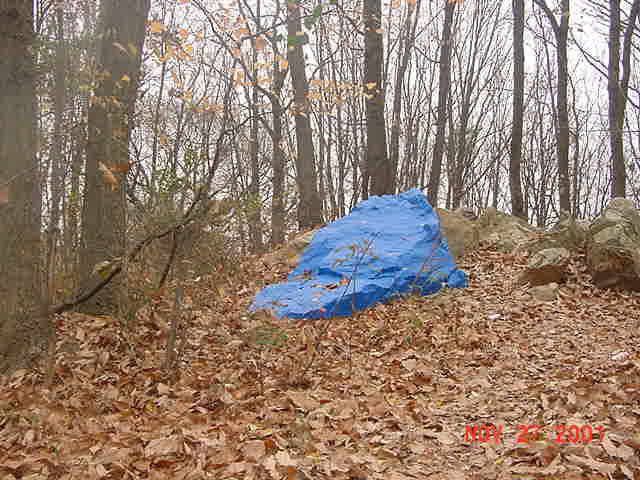
large boulder painted bright blue

Photo taken 2001, Arlington County Historic Preservation Program

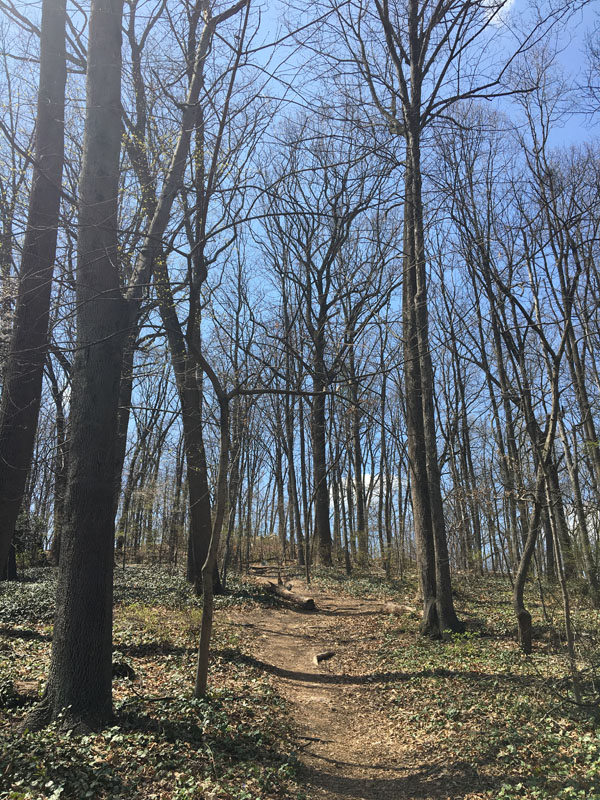
In the area and want to hike up to visit? It’s a fairly easy walk within Madison Manor Park off the paved bicycle/pedestrian path next to I-66.
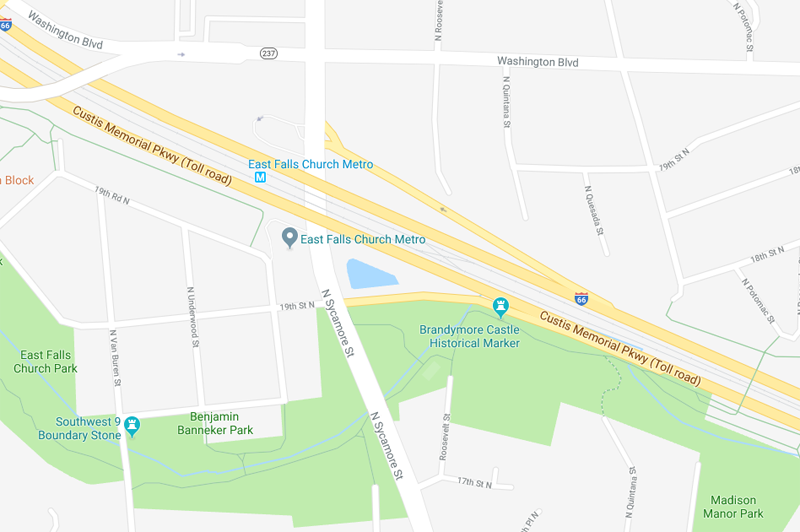
cropped map of Brandymore castle location
Open in Google Maps
The path to Brandymore Castle

References

Wise, Donald A. “Some Eighteenth Century Family Profiles, Part 1”, Arlington Historical Society Magazine, Vol. 6, No. 1, October 1977.

“About the Virginia Land Office Patents and Grants/Northern Neck Grant and Surveys”, Library of Virginia, accessed December 5, 2018 http://www.lva.virginia.gov/public/guides/opac/lonnabout.htm.

Moxam, Robert M., “The Re-Discovery of Brandymore Castle”, Arlington Historical Society Magazine, Vol. 5, No. 1, October 1973.

"Preservation Today: Rediscovering Arlington" is a partnership between the Arlington Public Library and the Arlington County Historic Preservation Program.

Preservation Today: Rediscovering Arlington
Stories from Arlington’s Historic Preservation Program

Arlington’s heritage is a diverse fabric, where people, places, and moments are knitted together into the physical and social landscape of the County.

Arlington County’s Historic Preservation Program is dedicated to protecting this heritage and inspiring placemaking by uncovering and recognizing all these elements in Arlington’s history.

To learn more about historic sites in Arlington, visit the Arlington County Historic Preservation Program.

April 11, 2019 by Web Editor

1945: The Arlington War Memorial Association Plans a “Living Memorial”

Post Published: April 4, 2019

Have you heard of “living memorials”? A popular concept after World War II, they resonated with Depression-era and war time slogans and values such as “better living,” and intersected with the interest in urban planning that intensified during World War II.

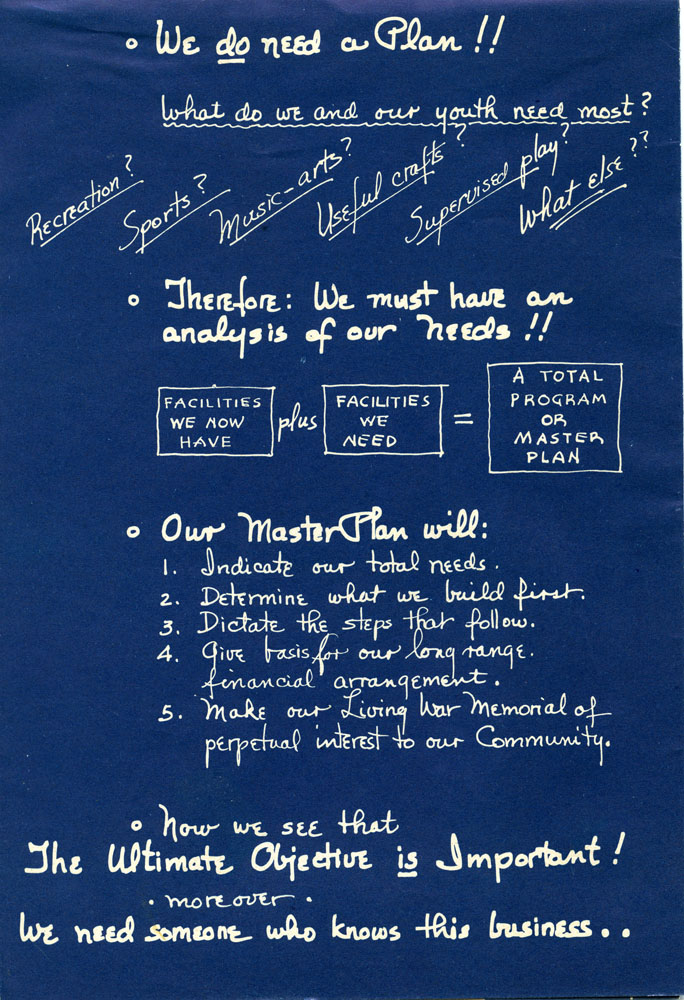
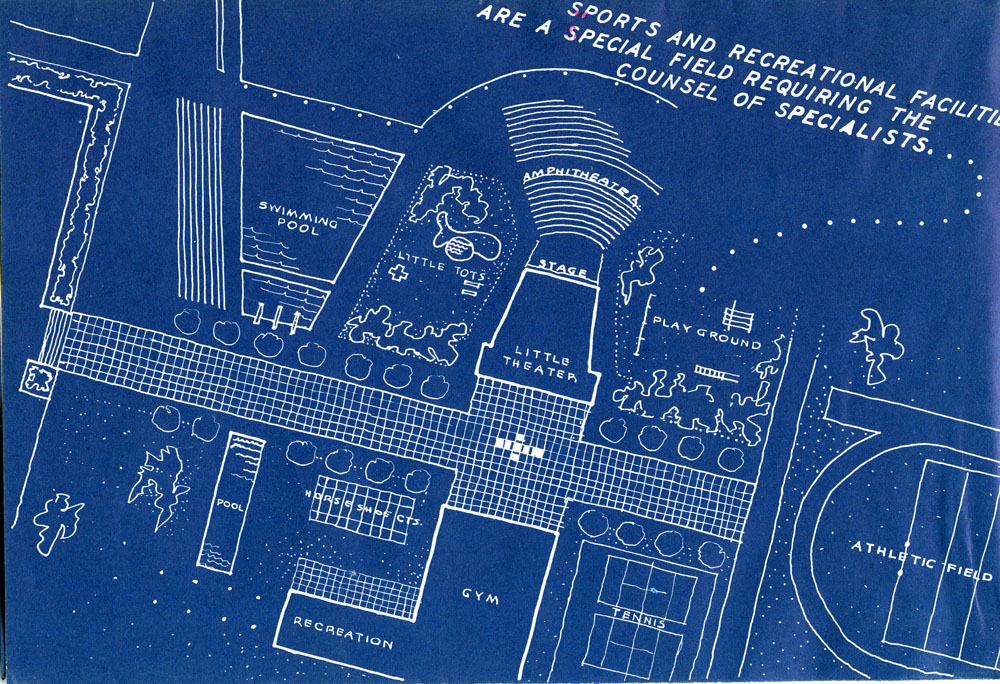
Elevation image from a promotional flyer advertising Potomac Engineering Corporation's services for planning and building a living war memorial.
blueprint plan showing the grounds layout, from a promotional flyer advertising Potomac Engineering Corporation's services for planning and building a living war memorial.

In July 1945, Arlington County residents formed the Arlington War Memorial Association. The purpose of the organization was to “establish and maintain a useful memorial to the veterans of the present war and of all wars of our nation.”

The Arlington War Memorial Association aimed to build a living memorial—a memorial that would honor the sacrifice of Arlington citizens who served in a war, but also that would “become the heartbeat of the county contributing to everyone’s wellbeing.” They planned to do this by building a community center on Lee Boulevard, much like the one depicted in these images from a promotional flyer advertising Potomac Engineering Corporation's services for planning and building a living war memorial.

Promotional flyer advertising Potomac Engineering Corporation's services for planning and building a living war memorial, asking, "what do we and our youth need most?"
Promotional flyer advertising Potomac Engineering Corporation's services for planning and building a living war memorial, emphasizing the need for urban planning

The Arlington War Memorial Association’s efforts ultimately failed. But you can learn more about their plans, and see these images in person, at the Center for Local History.

To see more items like these, or to learn more about Arlington's history, visit the Center for Local History on the first floor of the Central Library.

Do you have a question about this story, or a personal experience to share? 

Use this form to send a message to the Center for Local History.

Center For Local History - Blog Post Message Form

Do you have a question about this story, or a personal experience to share? Use this form to send a message to the Center for Local History.

"*" indicates required fields

This field is for validation purposes and should be left unchanged.

Share Your Story

April 4, 2019 by Web Editor

The Unusual History of the Washington Nationals

Post Published: March 28, 2019

Did you know that today - Thursday, March 28, 2019 - is the earliest Opening Day in the history of Major League Baseball?

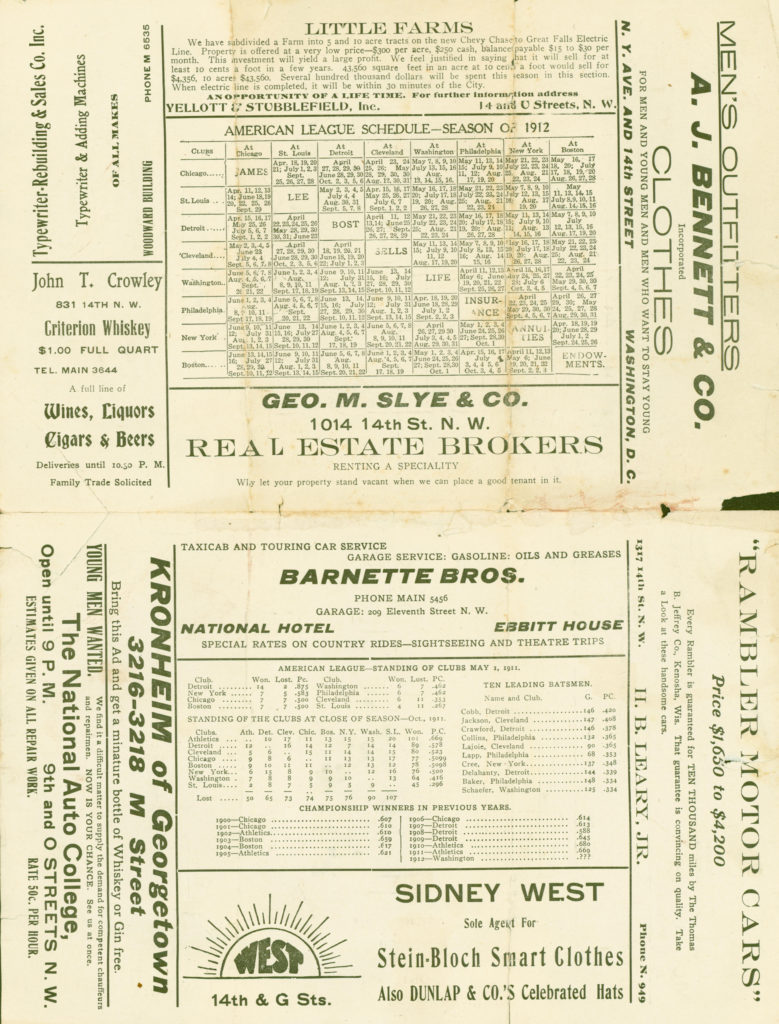
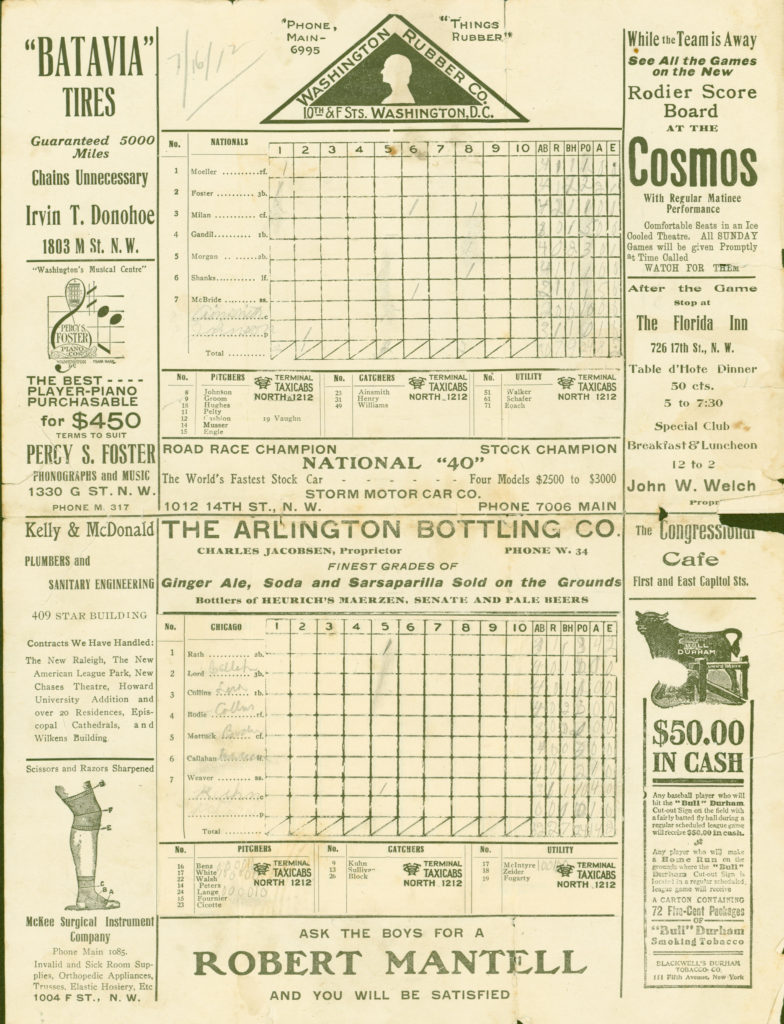
These pages are from a Washington Nationals game against the Chicago White Sox on July 16, 1912, attended by a member of the Olcott family from the Glencarlyn neighborhood.

These pages are from a Washington Nationals game against the Chicago White Sox on July 16, 1912, attended by a member of the Olcott family from the Glencarlyn neighborhood. The first page has the 1912 American League schedule and 1911 standings
These pages are from a Washington Nationals game against the Chicago White Sox on July 16, 1912, attended by a member of the Olcott family from the Glencarlyn neighborhood. The first page has the 1912 American League schedule and 1911 standings, while the second page has a score card and roster for the competing teams.

The first page has the 1912 American League schedule and 1911 standings, while the second page has a score card and roster for the competing teams. The Washington Nationals/Senators beat the Chicago White Sox 7-2 in the July 16 game and finished second in the 1912 American League, losing the Pennant to the Boston Red Sox.

The Washington area may have a fraught history when it comes to baseball teams, but that has not stopped Arlingtonians from cheering for our local team - whatever their name may be.

The Washington Senators—one of the American League’s charter teams—was founded in 1901. In 1905, the team officially changed its name to the Washington Nationals, but was still commonly referred to as the “Senators” until it relocated to Minnesota in 1961, where it became the Twins. The original Nationals/Senators team was almost immediately replaced with another American League team, this time officially named the Washington Senators. The Senators lasted for a decade (1961-1971) before moving to Texas as the Texas Rangers. In 2005—33 years after the Senators departed for Texas—Major League Baseball finally returned to the Washington area, this time as part of the National League and as the Washington Nationals.

So go out this weekend and cheer for your favorite team. We’ve got our Nats caps ready!

To see more items like these, or to learn more about Arlington's history, visit the Center for Local History on the first floor of the Central Library.

Do you have a question about this story, or a personal experience to share? 

Use this form to send a message to the Charlie Clark Center for Local History.

Center For Local History - Blog Post Message Form

Do you have a question about this story, or a personal experience to share? Use this form to send a message to the Center for Local History.

"*" indicates required fields

This field is for validation purposes and should be left unchanged.

Share Your Story

March 28, 2019 by Web Editor

Rediscover Zitkála-Šá

Post Published: March 13, 2019

Native American Advocate and Author

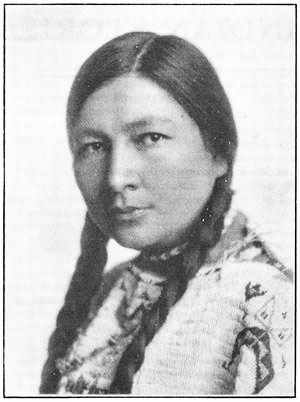
On January 26, 1938, Zitkála-Šá, life-long advocate for Native American rights and a resident of 261 North Barton Street in Lyon Park, died at age 61. She was buried under the name Gertrude Simmons Bonnin, in Arlington National Cemetery.

Photo of a woman in traditional native american clothing

Image of Zitkála-Šá ca. 1921, courtesy of the Library of Congress

A nationally recognized Native American author and activist, Zitkála-Šá was a vocal proponent for citizenship rights for Native Americans. Born in South Dakota into a Yankton Dakota Sioux family, she thrived on the Yankton Indian Reservation until Quaker missionaries recruited some of the reservation’s children to attend a Quaker manual labor school where she was given the Christian name Gertrude Simmons. Although she enjoyed learning to read and write, she experienced first-hand the damage of having her heritage stripped away. Feeling torn between her life on the reservation and her forced assimilation into white mainstream culture, Zitkála-Šá pursued higher education and distinguished herself as a public speaker on social and political issues.

“Folded hands lie in my lap, for the time forgot. My heart and I lie small upon the earth like a grain of throbbing sand. Drifting clouds and tinkling waters, together with the warmth of a genial summer day, bespeak with eloquence the loving Mystery round about us.”  

"Why I Am A Pagan," Atlantic Monthly, Volume 90, 1902

Her largely autobiographical work on indigenous life was published by the Atlantic Monthly and Harper’s Monthly, including “Impressions of an Indian Childhood” and “The Trial Path” among many more. She collected tribal stories and legends into collections, and authored poems examining the intersection of nature, Native American life, and mainstream white American life.

In 1910, she began a collaboration with composer William F. Hanson, and the subsequent “The Sun Dance Opera” was the first opera authored by a Native American (under the name Gertrude Simmons).

“It was next to impossible to leave the iron routine after the civilizing machine had once begun its day's buzzing; and as it was inbred in me to suffer in silence rather than to appeal to the ears of one whose open eyes could not see my pain, I have many times trudged in the day's harness heavy-footed, like a dumb sick brute.”

"The School Days of an Indian Girl," Atlantic Monthly, Volume 85, 1900

As a member of the Society of American Indians, Gertrude Simmons (the name she used in records and public affairs) lectured nationally and lobbied for citizenship rights for Native Americans who were not naturalized U.S. citizens by birth but could apply through pathways such as military service, renouncing tribal affiliations, or accepting land allotments. As a previous clerk for the Bureau of Indian Affairs, she criticized the bureau for its mistreatment of Indigenous children placed in national education systems that forced assimilation and Christian values.

In 1916, her husband, Captain Raymond Talefase Bonnin (also of Yankton descent), lost his position at the Bureau of Indian Affairs in Utah and they moved to Washington D.C.  where, as editor of the Society of American Indian’s publication American Indian Magazine, Gertrude Simmons Bonnin wrote about and exhibited treatises on many controversial issues. In 1923, she co-authored “Oklahoma’s Poor Rich Indians: An Orgy of Graft and Exploitation of the Five Civilized Tribe, Legalized Robbery” which discussed theft and murder by corporations seeking access to Native American-owned oil-rich lands. The article is credited with influencing the development of the Indian Reorganization Act of 1934, which returned government and land management to Native Americans.

On November 3, 1925, Gertrude and Raymond Bonnin purchased the stone bungalow at 261 North Barton Street in Arlington. from the first owners, Loyd and Bernice Claire. The Claires had built the house only one year earlier, having bought it from the well-known Lyon & Fitch real estate development. The Lyon & Fitch real estate team sold the Lyon Park subdivision properties with deed restrictions and covenants, including one preventing the property from being sold or rented to non-whites for a period of 99 years. The census recognized people of Native American ancestry as white and therefore the Bonnins were not prevented from purchasing the property.

In 1924, the Indian Citizenship Act granted citizenship to all Native Americans, but did not automatically afford voting rights. In response, Gertrude Simmons Bonnin co-founded and presided over the National Council of American Indians to unify First Nations in the movement to gain voting rights, healthcare, legal standing, and land rights. She also created the Indian Welfare Committee of the General Federation of Women’s Clubs, speaking often in Washington, Arlington, and Fairfax.  

Gertrude Simmons Bonnin spent the remainder of her life in Arlington as president of the Council of American Indians, speaking and writing about the continuing political and social mistreatment of Native Americans. After her death, her husband continued to live in their home until his death in 1942 when the property was left in trust to their grandchildren.

References

United States of America, Bureau of the Census. Fifteenth Census of the United States, 1930. Washington, D.C.: National Archives and Records Administration, 1930. T626, 2,667 rolls.

Arlington County Land Records Office, various deeds pertaining to Gertrude S. Bonnin and R.T. Bonnin: Deed Book 609, p. 237, book 319, p. 64, and book 174, p. 152.

Zitkála-Šá, “The School Days of an Indian Girl”, Atlantic Monthly, Volume 85, 1900.

Zitkála-Šá, “Why I Am A Pagan”, Atlantic Monthly, Volume 90, 1902.

Further Reading

Lewandowski, Tadeusz. Red Bird, Red Power: The Life and Legacy of Zitkala-Ša, Norman: University of Oklahoma Press, 2016. (Available from the Library)

Susag, Dorothea M., Zitkala-Sa (Gertrude Simmons Bonnin): A Power(full) Literary Voice, Studies in American Indian Literatures, University of Nebraska Press, Series 2, Vol. 5, No. 4 (Winter 1993), pp. 3-24.

Tsjeng, Zing, Forgotten Women: The Leaders. London: Cassell Illustrated, 2018. (Available from the Library)

Capaldi, Gina. Red Bird Sings: the Story of Zitkala-̈Sa, Native American Author, Musician, and Activist, Carolrhoda Books, 2011. (Available from the Library)

"Preservation Today: Rediscovering Arlington" is a partnership between the Arlington Public Library and the Arlington County Historic Preservation Program.

Preservation Today: Rediscovering Arlington
Stories from Arlington’s Historic Preservation Program

Arlington’s heritage is a diverse fabric, where people, places, and moments are knitted together into the physical and social landscape of the County.

Arlington County’s Historic Preservation Program is dedicated to protecting this heritage and inspiring placemaking by uncovering and recognizing all these elements in Arlington’s history.

To learn more about historic sites in Arlington, visit the Arlington County Historic Preservation Program.
March 13, 2019 by Web Editor

Oral History: Getting Involved in Local Politics

Post Published: March 7, 2019

Arlington Voices the Oral History Collection

Interview with Ellen Bozman, Longest Serving County Board Member

Ellen Bozman is an important name in Arlington County. As the longest serving member of the Arlington County Board to date, Bozman supported countless causes that have made long lasting impacts on the county and Northern Virginia.

Born and raised in Illinois, Bozman came to Arlington after graduating from Northwestern University. She began her public service in Arlington with the League of Women Voters and served on other boards and committees until her run for County Board in 1974. During her time on the Board, Bozman saw significant changes in Arlington - its development, transportation, and citizens were very different when she retired in 1997 than they had been when she began 23 years earlier.

In this oral history clip, Bozman shares with interviews Edmund Campbell and Cas Cocklin her experiences working on other boards and committees before her first run as a Democrat-backed Independent candidate for the County Board:

NARRATOR: Ellen Bozman
INTERVIEWER 1: Edmund Campbell
INTERVIEWER 2: Cas Cocklin
DATE: May 15, 1987

EC: You ultimately became President of the League, did you?

EB: Yes. Those were busy years for the League and I was President from '63 to '65. Then, as you know, once you have been president of an organization, there's no readymade spot for you so you look around and you tend to do other things. Then I later chaired the Health and Welfare Council of Arlington and the Committee of One Hundred and finally in the early '70's chaired the Rock Springs Congregational Church Council. About that time, some of my friends jokingly said well since you've done a church council, you're ready to run for the Board.

CC: Had you ever given any thought prior to that to getting into politics?

EB: Only recently prior to that. And the change really came about when I served on the Planning Commission. Up until the time I served on the Planning Commission, I didn't think that, first of all, I thought of myself as an administrator rather than a politician. Secondly, I had been through some, I had been standing on the fringes and involved in some very, very tumultuous political times in Arlington.

EC: Such as?

EB: Well, when you go way back and I remember Barbara Riches who was on the School Board saying to me, "I don't care when they throw garbage on my front porch because I know they don't have anything more important they're doing." Very split community. Very difficult and personal political campaigns. A kind of atmosphere that I didn't think that I was ready or wanted to participate in. But times change.

To learn more about Ellen Bozman;s life and work, visit the Center for Local History's online exhibit, Women's Work.


The goal of the Arlington Voices project is to showcase the Center for Local History’s oral history collection in a publicly accessible and shareable way.

What is the oral history collection?

Oral history is a popular method of research used for understanding historical events, actors, and movements from the point of view of people’s personal experiences.

The Arlington Public Library began collecting oral histories of long-time residents in the 1970s, and since then the scope of the collection has expanded to capture the diverse voices of Arlington’s community. In 2016, staff members and volunteers recorded many additional hours of interviews, building the collection to 575 catalogued oral histories.

To browse our list of narrators indexed by interview subject, check out our community archive. To read a full transcript of an interview, visit the Center for Local History located at Central Library.

March 7, 2019 by Web Editor

Green Valley Pharmacy

Post Published: February 22, 2019

Dr. Leonard “Doc” Muse

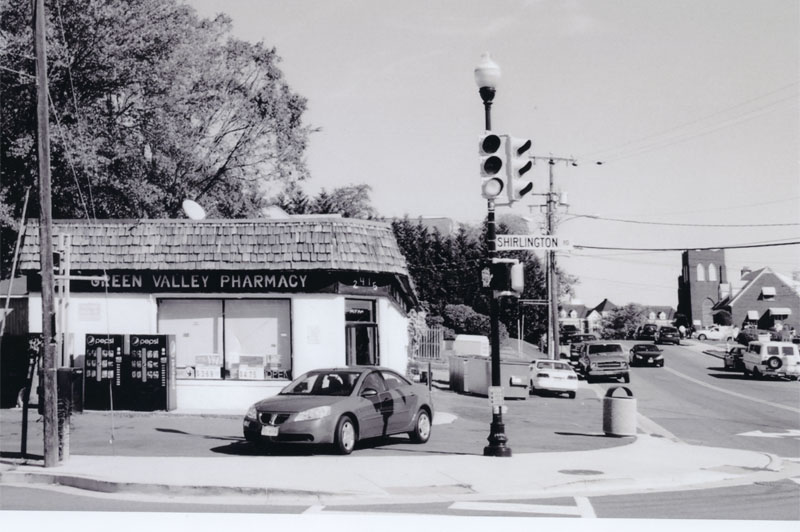
Have you traveled down Shirlington Rd in the Nauck neighborhood, and stopped for a snack at the one story, white, shingled building on the corner of Shirlington Rd and 24th Rd S?

Green Valley Pharmacy 2010

Established in 1952, the Green Valley Pharmacy is the first (and only) pharmacy and lunch counter in Arlington that would serve African American patrons during the Jim Crow era.

The man who opened the pharmacy was Dr. Leonard “Doc” Muse, a pharmacist and social activist. Muse was born in Florida in 1923 and after serving in World War II used his GI benefits to attend the Howard University School of Pharmacy. In 1952, he and his partner Waverly Jones bought the former Hyman’s Grocery and opened the Green Valley Pharmacy. The pharmacy served black and white customers, but mainly served as a neighborhood hub for Nauck- as a lunch counter, a drug store, and a first job for many young people in Green Valley. Doc provided free lunches for the hungry and free medications for those who could not afford their prescriptions.

In 2013, Green Valley Pharmacy was named as an Historic District by the Arlington County Board, and Muse himself was honored by the Arlington NAACP with the Community Appreciation Award. Muse’s commitment to social activism established him as a pillar of the Nauck community, positively influencing the young people of Green Valley and providing a social and political hub for the residents of Nauck.

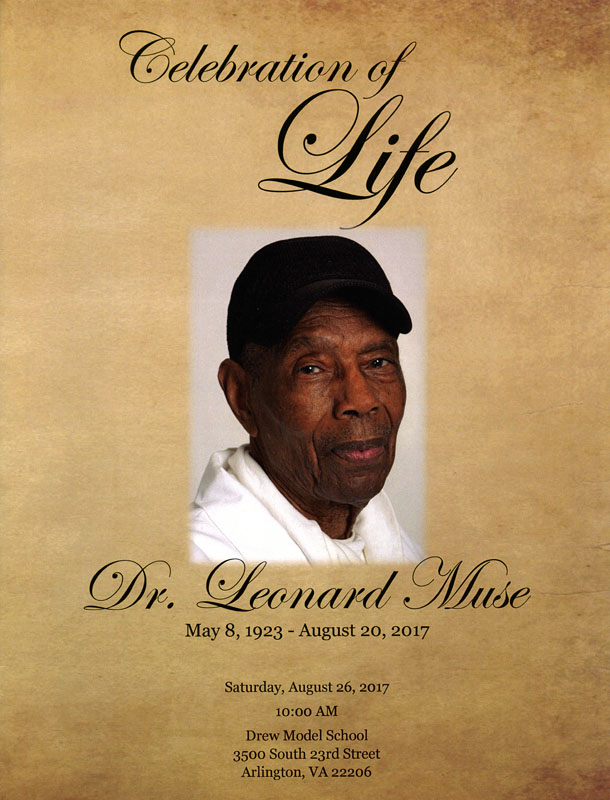
Dr. Leonard Muse died on August 20, 2017.

A celebration of life service was held in his honor at Drew Model School on Saturday, August. 27, 2017.

Memorial program for Dr. Leonard Muse, 8/26/2017

The photo of Green Valley Pharmacy was taken by Matthew Welborn in 2010, as part of a student photography contest, "Capturing Arlington," sponsored by the Center for Local History.

To see more items like these, or to learn more about Arlington's history, visit the Center for Local History on the first floor of the Central Library.

Do you have a question about this story, or a personal experience to share? 

Use this form to send a message to the Center for Local History.

Center For Local History - Blog Post Message Form

Do you have a question about this story, or a personal experience to share? Use this form to send a message to the Center for Local History.

"*" indicates required fields

This field is for validation purposes and should be left unchanged.

Share Your Story

February 22, 2019 by Web Editor

Cub Scout Pack 589 and Ernest Johnson

Post Published: February 14, 2019

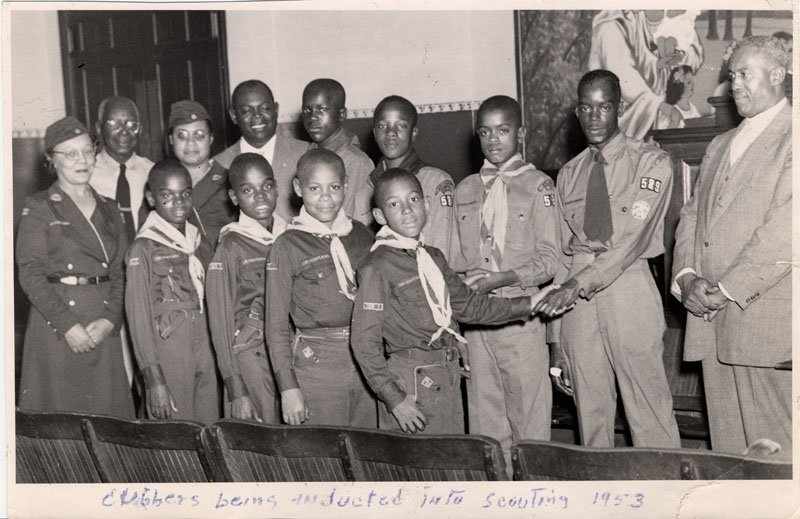
Cub Scout Pack #589 was one of Arlington’s first African American Cub Scout Packs, established in 1952 and founded by Ernest Johnson. 

black and white photo of group of young african american boys in cub scout uniforms with pack leaders

This photo shows the April 1953 induction of new pack members, with Johnson standing to the right.

Founding Cub Scout Pack #589 was part of Ernest Johnson's efforts to give African American children in segregated Arlington a variety of activities to help them grow and have fun. As the director of the Arlington Department of Parks and Recreation’s Negro Recreation Section, (founded in 1950), Johnson worked tirelessly to expand the Section’s sports, arts, and culture programs for African American children in the County. He oversaw the development of Jennie Dean Field and a new recreation center at Hoffman-Boston on S. Queen Street, known as the Carver Center. The Section also organized picnics, beauty pageants, and socials.

The County recognized Johnson’s abilities as an organizer and developer of programs, and when Arlington desegregated their Parks and Recreation facilities and programs in the spring of 1961, he became the Supervisor of the Centers Section, overseeing “teen clubs, free classes, and meeting of non-Department sponsored clubs in the centers.”

Johnson stayed with the Department until his retirement in 1982. Arlington then celebrated Ernest Johnson Day with a parade, softball game, and testimonial dinner.

Ernest Johnson's work for the County is remarkable in another way: he had the foresight to hire a professional photographer to attend many of the Negro Recreation Section’s activities.

To see more of these photographs, visit the Ernest Johnson Collection, Photograph Collection 218, in the Arlington Community Archives online.

February 14, 2019 by Web Editor

Oral History: Desegregation of Arlington’s Public Schools

Post Published: February 7, 2019

Arlington Voices the Oral History Collection

Interview with Dorothy Hamm, School Desegregation Activist

In honor of the 60th anniversary of the desegregation of Arlington County public schools, the Center for Local History presents an oral history clip from an interview with Dorothy Hamm, who lived in Arlington at the height of the battle to desegregate Arlington’s public schools, and was part of different lawsuits throughout the county to integrate not only the schools but restaurants, hospitals, and theaters.

In this clip from 1986, Hamm shared her experience trying to register her son for school at Stratford and her activity in lawsuits to desegregate public facilities in Arlington County.

Dorothy Hamm has been honored by the County with the naming of a new middle school in Cherrydale, the Dorothy Hamm Middle School, set to open in September 2019.

NARRATOR: Dorothy Hamm
INTERVIEWER 1: Edmund Campbell
INTERVIEWER 2: Cas Cocklin
DATE: February 21, 1986

Transcript:

EC: You recall the Supreme Court decision directing the desegregation of the public schools "with all deliberate speed" which was made in l954. After that time, you became rather active in the shall I call it the desegregation movement, did you not?

DH: Yes, I did. My reason for doing that was because I felt that with the Supreme Court's decision my two sons would have an opportunity to attend Stratford, an integrated school and I told them the meaning of the Supreme Court's decision, and I also told them that they would be going to Stratford. However, almost 2 years had passed, they still had not been permitted to attend; and this is why I really got involved.

EC: What did you do?

DH: On one occasion, my husband and I took our oldest son to Stratford in an attempt register him, and he was denied.  I was also one of the original plaintiffs in the suit of 14 parents and 22 children.

EC:  What suit was this?

DH:  This was the suit that was filed by the N.A.A.C.P. in May of 1956, 2 years after the Supreme Court's decision.

EC:  This was the suit, was it, in the federal court for the Eastern District of Virginia before Judge Albert Bryan?

DH:  Yes, it was.

EC:  And you were one of the original plaintiffs?

DH: That's right.

EC:  Did you take any other action at that time other than participate in that suit?  I mean were you involved in any other desegregation movements at that time?

DH:  Not really at that time.  They came just a little bit later my suits involving the theatres, the hospital, eating places and working places.

CC: May I ask, in these desegregation suits where the children were involved, what was the feeling of the children?  Were they truly indignant and anxious for equality of education or opportunities or was there any compulsion on the part of the parents requiring the children's cooperation?

DH: No, I think all the children were very eager to go.  All of the parents were very anxious for their children to attend the school because they felt this was a better opportunity for their children knowing that all of them had attended segregated schools.

For more information on desegregation in Arlington County and its schools, please visit Arlington Public Library’s Project DAPS website.

Photo of students and librarian in the library of Hoffman-Boston from the George Melvin Richardson Collection, 1950s: projectdaps.org/items/show/42


The goal of the Arlington Voices project is to showcase the Center for Local History’s oral history collection in a publicly accessible and shareable way.

What is the oral history collection?

Oral history is a popular method of research used for understanding historical events, actors, and movements from the point of view of people’s personal experiences.

The Arlington Public Library began collecting oral histories of long-time residents in the 1970s, and since then the scope of the collection has expanded to capture the diverse voices of Arlington’s community. In 2016, staff members and volunteers recorded many additional hours of interviews, building the collection to 575 catalogued oral histories.

To browse our list of narrators indexed by interview subject, check out our community archive. To read a full transcript of an interview, visit the Center for Local History located at Central Library.

February 7, 2019 by Web Editor

George Melvin Richardson

Post Published: February 7, 2019

Hoffman-Boston Principal, 1954-1965

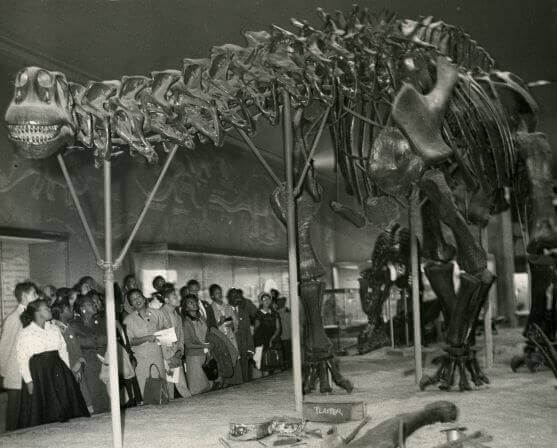
Do you remember your first school field trip to visit the Smithsonian dinosaurs? 

Photo of dinosaur skeleton at the Museum of Natural History with high school class from Hoffman-Boston

In this photo, a group of late 1950s/early 1960s Hoffman-Boston high school students examine the relics on display at the Museum of Natural History.

Their principal at Hoffman-Boston (the combined elementary, junior high, and senior high school for African American students) was George Melvin Richardson, a man of quiet authority and the ideal leader to cope with the complex issues then facing his school and the County.

Richardson was on the initial 1954 committee to study desegregation of the Arlington Public Schools, and principal of Hoffman-Boston from 1954 until the school was closed in 1965. Faced with inadequate classrooms and facilities, Richardson worked for years to improve and expand the school. Field trips such as the one pictured here helped to compensate for the lack of equipment and resources, and to educate students beyond the classroom.

As a resident of the Arlington View neighborhood, Richardson also worked to create the area’s Neighborhood Conservation Plan (one of the first in the county), and later served on the executive board for the Arlington Committee of 100.

George Melvin Richardson’s photographs, oral histories, papers and more can be found on the Center for Local History’s ProjectDAPS.org website, a repository for the Center’s collection of archival documents and photographs relating to the story of the desegregation of Arlington public schools.

View the George Melvin Richardson Collection in ProjectDAPS.org

February 7, 2019 by Web Editor

Rosslyn in the 1960s

Post Published: January 31, 2019

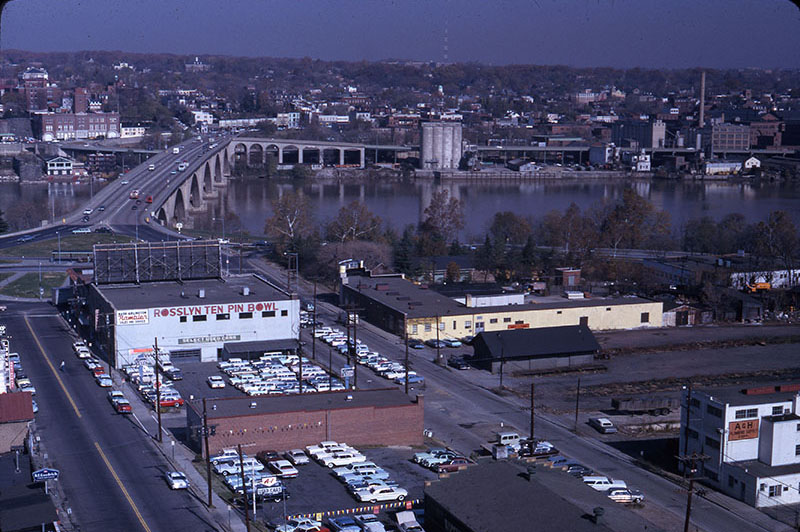
Do you remember Rosslyn Ten Pin Bowl or A & H Plumbing Supply CORP.?

Aerial photo of Rosslyn neighborhood taken looking over the Potomac river towards Georgetown

This image, taken in the 1960s, shows a time when Rosslyn was full of parking spaces, small businesses, and clear views of Key Bridge and Georgetown.

Like many Arlington neighborhoods, Rosslyn has undergone significant growth since this photo was taken. With its proximity to Washington, D.C., the neighborhood has naturally morphed into an urbanized hub, complete with skyscrapers, hotels, numerous restaurants and businesses. It even boasts the title for the third longest continuous span escalator in the world!

Do you remember Rosslyn in the 1960s, before the skyscrapers went up? Did you ever go bowling at Rosslyn Ten Pin Bowl?

To see more images from the “Arlington Photographs: Before and After, The Guy W. Starling Collection,” or to learn more about the history of Rosslyn, visit the Center for Local History on the 1st floor of Central Library.

January 31, 2019 by Web Editor

  • « Go to Previous Page
  • Page 1
  • Interim pages omitted …
  • Page 14
  • Page 15
  • Page 16
  • Page 17
  • Page 18
  • Interim pages omitted …
  • Page 40
  • Go to Next Page »

Footer

About Us

  • Mission & Vision
  • Charlie Clark Center for Local History
  • News Room
  • Get Email Updates

Administration

  • Policies
  • Library Staff
  • Job Opportunities
  • Propose a Program or Partnership

Support Your Library

  • Friends of the Library
  • Giving Opportunities
  • Donating Materials
  • Volunteer Opportunities

Our Mission

We champion the power of stories, information and ideas.

We create space for culture and connection.

We embrace inclusion and diverse points of view.


Download the Library App

Download the Library App

Arlington County | Terms & Conditions | Accessibility | Site Map
· Copyright © 2026 Arlington County Government ·