• Skip to primary navigation
  • Skip to main content
  • Skip to footer

Alert

Update: Elevator outages, maintenance and upgrades at Central Library More Info

Home - Arlington County Virginia - Logo
MENUMENU
  • Join Now
  • My Account
    • Login
    • My Checkouts
    • My Holds
    • My Lists
    • My Reading History
    • About Borrowing
    • About Holds
    • About My Account
  • Hours & Locations
    • All Hours & Locations
    • Holiday Closings
  • News
    • Library News
    • Director's Blog
    • Get Email Updates
  • Contact Us

Arlington Public Library

MENUMENU
  • Search
  • Collections
  • Library Services
  • Events
  • Community Engagement
  • Join Now
  • My Account
    • Login
    • About Borrowing
    • About Holds
    • About My Account
  • Hours & Locations
    • All Hours & Locations
    • Holiday Closings
  • News
    • Library Blog
    • Get Email Updates
  • Contact Us

Web Editor

When You See a Problem, Do You Turn it into an Opportunity?

Post Published: June 13, 2019

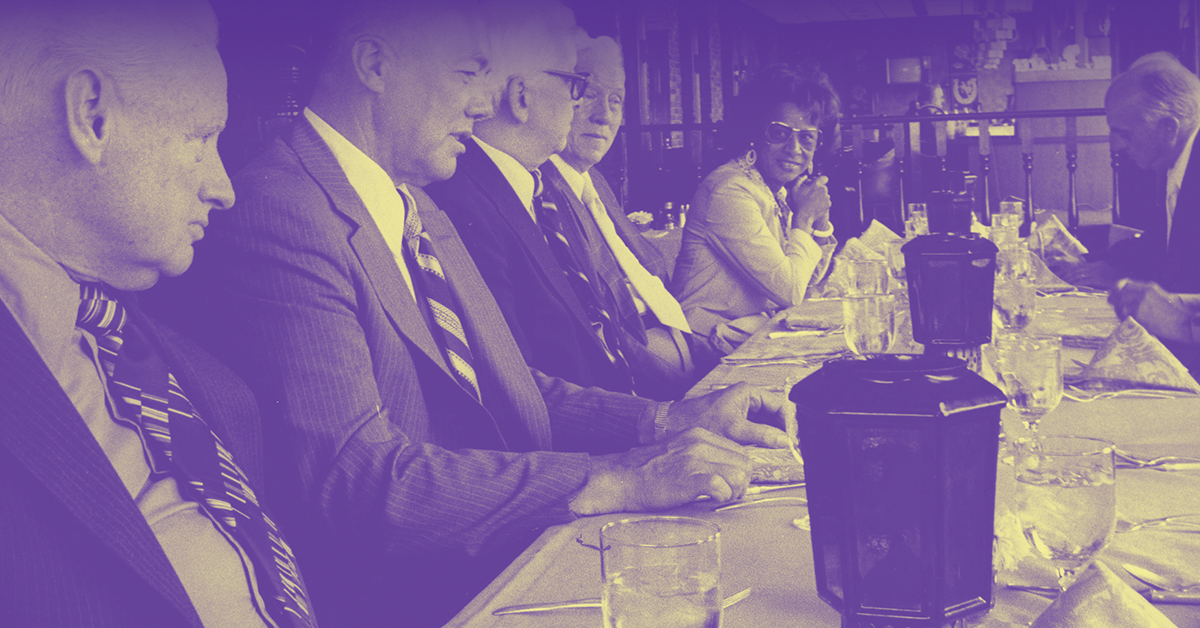
Margarite Syphax sitting at table with a bunch of white guys

The year is 1954.

Margarite sees that Black families are denied fair housing because of segregation, so she starts a successful real estate company that will serve everyone.

The White House recognizes her as an entrepreneurial pioneer.

Build a multimillion-dollar firm: That’s Women’s Work.

Read Margarite Syphax’s Story

Two years in the making, Arlington Public Library's Women's Work exhibit presents the stories of women trailblazers and their far-reaching impact on politics, education, business, social activism and public libraries.

The curated digital collection contains stories, photographs, letters and memorabilia and spotlights both individuals and groups of Arlington women who dedicated their work to improve the lives of others.

Because there are always more layers of history to find and examine, the Center for Local History continually seeks community donations and oral histories. Contact us at 703-228-5966 or by email.

June 13, 2019 by Web Editor

What Would You Give Up Your Freedom For?

Post Published: June 6, 2019

purple tinted photo of Gertrude Crocker

The year is 1917.

33-year old Gertrude becomes a 3-time political prisoner for the right to vote.

Through her participation in the national suffrage movement, over 83 million women are registered to vote in the United States.

Go to jail for the vote: That’s Women’s Work.

Read Gertrude Crocker's Story

Two years in the making, Arlington Public Library's Women's Work exhibit presents the stories of women trailblazers and their far-reaching impact on politics, education, business, social activism and public libraries.

The curated digital collection contains stories, photographs, letters and memorabilia and spotlights both individuals and groups of Arlington women who dedicated their work to improve the lives of others.

Because there are always more layers of history to find and examine, the Center for Local History continually seeks community donations and oral histories. Contact us at 703-228-5966 or by email.
June 6, 2019 by Web Editor

On the 50th Anniversary of Stonewall

Post Published: May 31, 2019

Photo of the Supreme Court building with Marriage Equality protesters
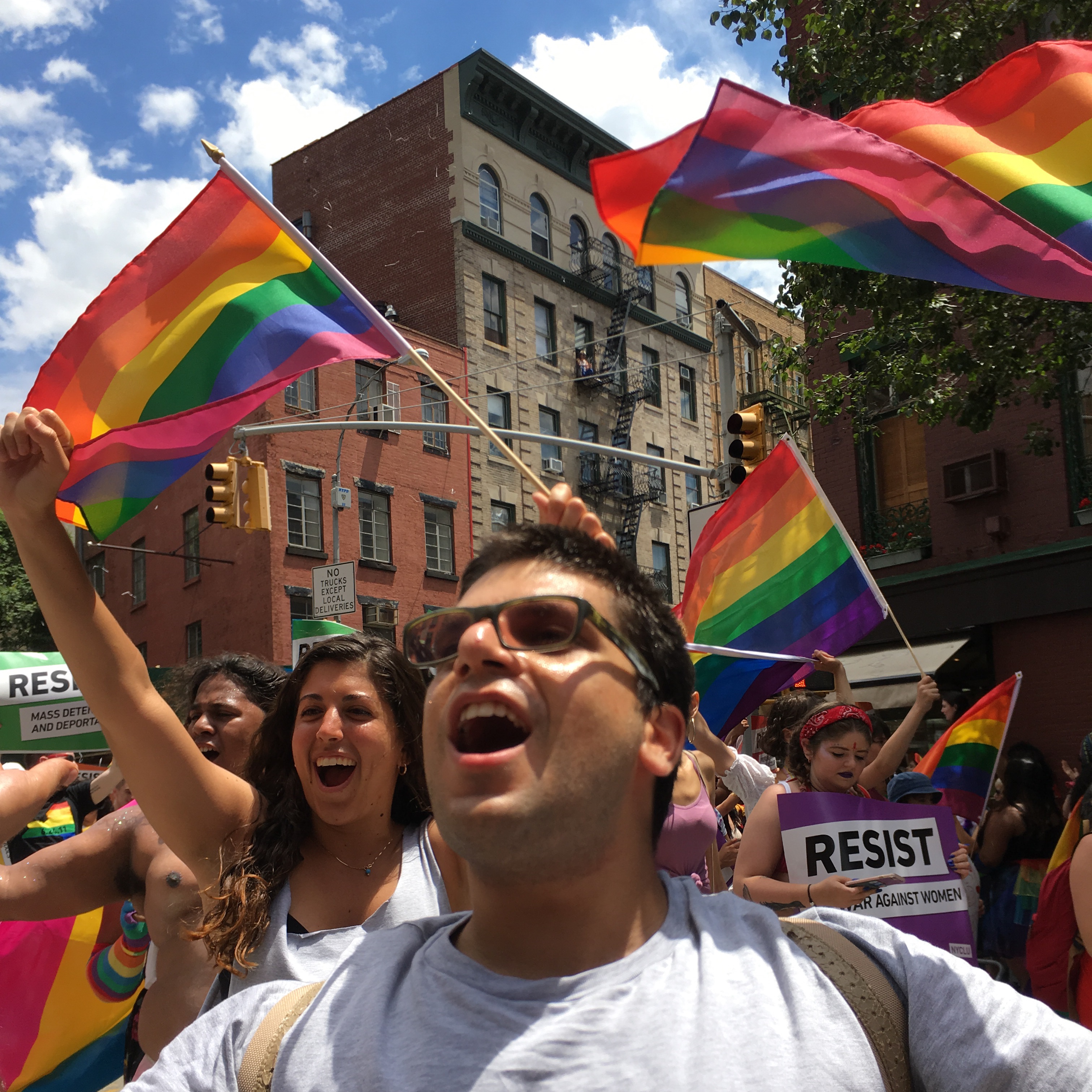
People cheering
hand holding a Pride flag
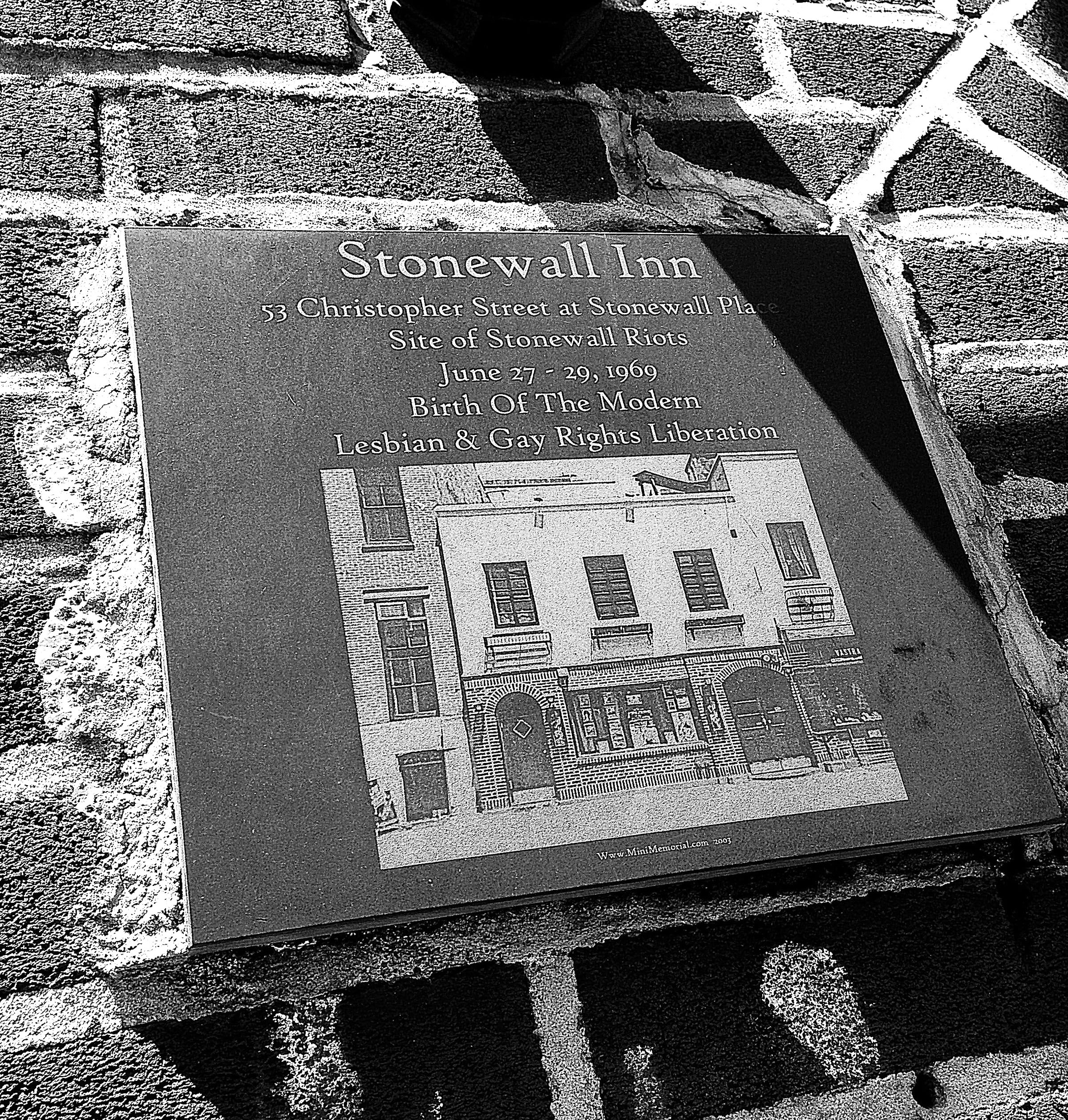
Photo of the plaque at the Stonewall Inn
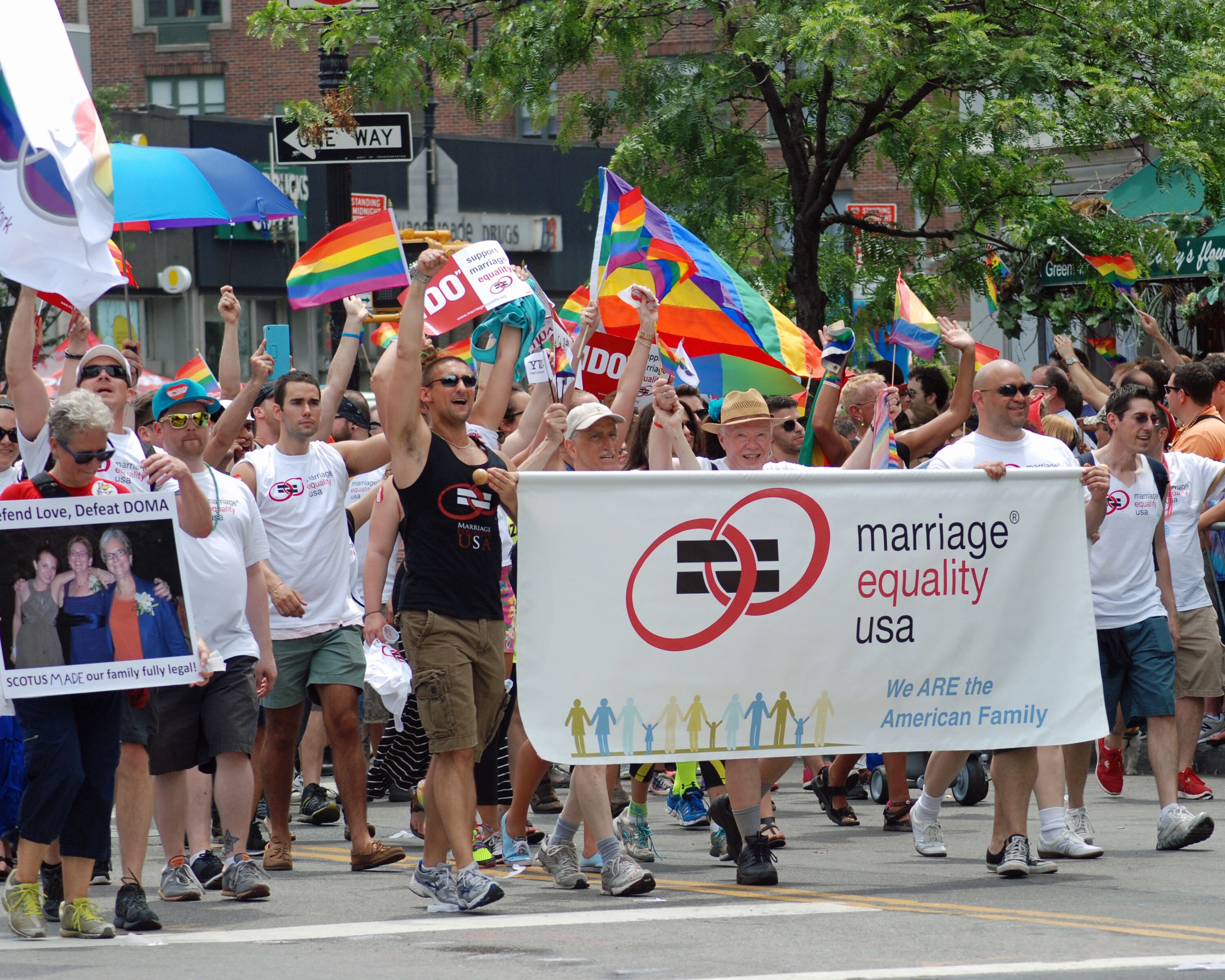
People marching with signs for marriage equality

Vital Signs 2019

Several years ago, I was invited to mount a photo exhibit in Zagreb, Croatia. “Vital Signs” was a collection of photographs that chronicled several years in the LGBTQ Movement in the United States.

The show’s narrative arc began with images of quilts from the AIDS Memorial Quilt displayed on the National Mall in Washington, DC during July 2012, and ended with images of New York City’s Pride Parade of 2013, the victory “lap” following the U.S. Supreme Court’s findings on June 26 that both California’s Proposition 8 and Defense of Marriage Act (DOMA) were unconstitutional.

The final image in the show was of a plaque commemorating the Stonewall Inn, a bar in New York City frequented by gays, which was the site of riots following a raid there by police the night of June 28, 1969. After Stonewall, the gay rights movement came “out of the closet and into the streets” and into the public consciousness where it has remained since. The first Pride Parade was held in New York City on Sunday, June 28, 1970, one year after the riot.

This year, Arlington County celebrates “50 Years Forward: from riots to rights” and cities across the country, in red states and in blue states, from San Francisco to Omaha and New York to Sioux Falls, will host Pride events to honor the achievements and contributions of the LGBTQ+ community. Arlington County’s Pride Month Proclamation Ceremony will be held on Thursday, June 6 at noon in the County Board Room.

Each June, Arlington Public Library (APL) celebrates Pride, to honor LGBTQ+ Americans and their allies who have fought for and continue to fight for the right to be treated fairly, to be granted equal protection under the law and afforded the inalienable right to be happy. Gay rights are human rights, and libraries have a unique role in supporting the LGBTQI+ community: through our safe spaces where we foster inclusion, our collections which reflect diverse points of view, and our programs that educate and celebrate the differences among us that make Arlington a thriving community.

Two years ago, we signaled our embrace of inclusion with the addition of rainbow welcome signs posted on the entrances to each of our building locations. Last year we flew the pride flag at Central Library and displayed a Pride flag in each of our locations.

Throughout the month, we will be offering a range of Pride events throughout the library system.

And in keeping with our mission to educate, we have created a 2019 Pride booklist.

June is officially recognized as Pride month. Truthfully… every day is Pride month at APL.

For we are always:
Open to accepting others for who they are
Open to embracing diverse points of view
Open to protecting and nurturing those who are most vulnerable
Open to fulfilling hopes and dreams
Open to making Arlington the best it can be.

Our commitment to you.
Happy Pride
Diane

Scrawled signature of Diane Kresh

May 31, 2019 by Web Editor

Arlington Farms

Post Published: May 29, 2019

By 1941, the last of the property where the USDA's Experimental Farm had been located (at the northeast tip of Arlington) was transferred to the War Department for use in the National Defense Program.

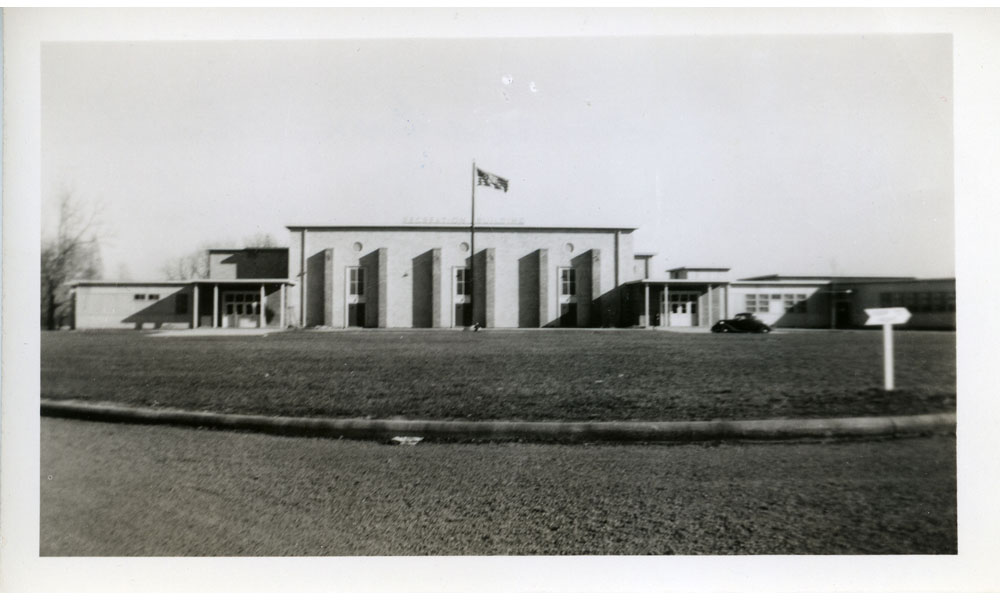
Arlington Farms recreation hall where Saturday night dances were held. Arlington Farms was nicknamed “Girl Town” and was a popular spot for soldiers and sailors stationed at nearby bases.

Arlington Farms recreation hall where Saturday night dances were held.  c. 1944.

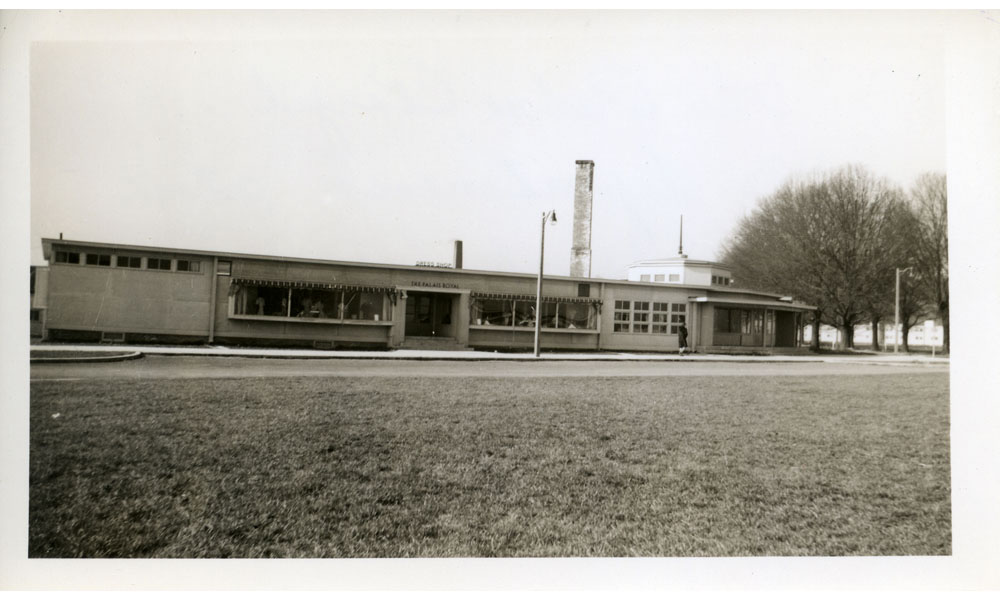
The Palais Royal—Arlington Farms’ department store and beauty shop. In addition to a store and recreation hall, Arlington Farms had a chapel, a post office, and a cafeteria.

The Palais Royal—Arlington Farms’ department store and beauty shop.  c. 1944.

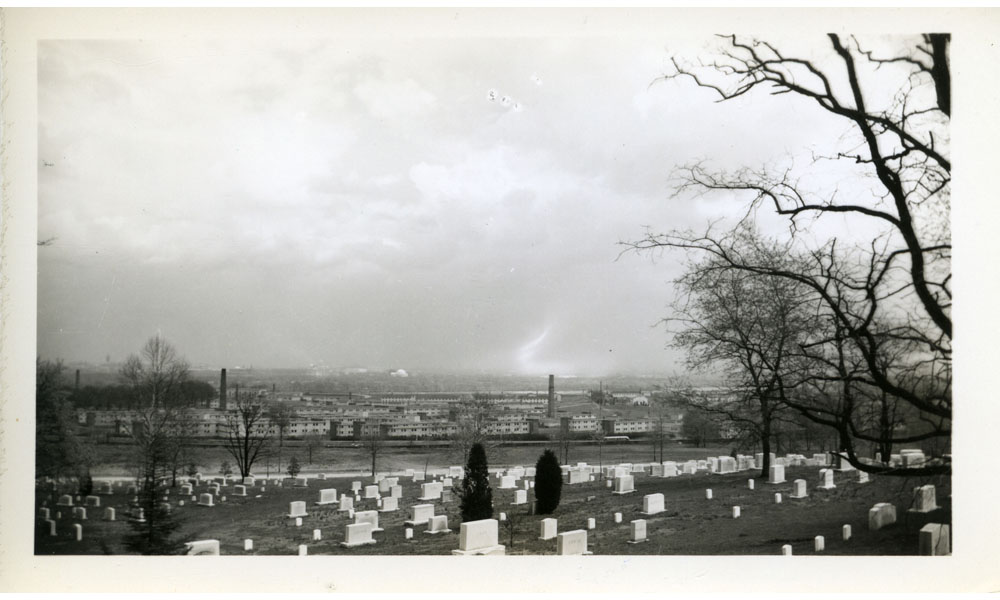
A view of Arlington Farms from Arlington National Cemetery, Washington, D.C. is visible in the background.

A view of Arlington Farms from Arlington National Cemetery, Washington, D.C. is visible in the background. c. 1944.

In 1943, the United States Government transformed that land into war residences for female civil servants and service members during World War II. Six of the ten dorms were reserved for civilians and government employees, while the remaining four were for military servicewomen.

Most of the women living at Arlington Farms worked at the Pentagon, the Navy Annex, or Arlington Hall Station, the headquarters of the Army’s Signal Intelligence Service. During World War II, women entered the workforce in unprecedented numbers—accounting for approximately 40% of the workforce between 1940 and 1945.

Arlington Farms was nicknamed “Girl Town” and was a popular spot for soldiers and sailors stationed at nearby bases. In addition to the department store, beauty shop and recreation hall pictured in the photographs above, Arlington Farms also had a chapel, a post office, and a cafeteria.

The complex’s buildings were demolished in the 1960s and today Arlington National Cemetery occupies the land.

To see more items like these, or to learn more about Arlington's history, visit the Center for Local History on the first floor of the Central Library.

Do you have a question about this story, or a personal experience to share? 

Use this form to send a message to the Center for Local History.

Center For Local History - Blog Post Message Form

Do you have a question about this story, or a personal experience to share? Use this form to send a message to the Center for Local History.

"*" indicates required fields

This field is for validation purposes and should be left unchanged.

Share Your Story

May 29, 2019 by Web Editor

An Experimental Farm

Post Published: May 22, 2019

Did you know that Arlington was at the forefront of experimental farming in the early 20th Century?

In 1900, Congress transferred 400 acres of land along the Potomac near Ft. Myer to the Department of Agriculture in order to create an experimental farm for plant testing, and the improvement of plants and cultivation.

Horse-drawn cultivator, Arlington Farm, 1908, Arlington House in background

Horse-drawn cultivator, Arlington House in background, 1908.

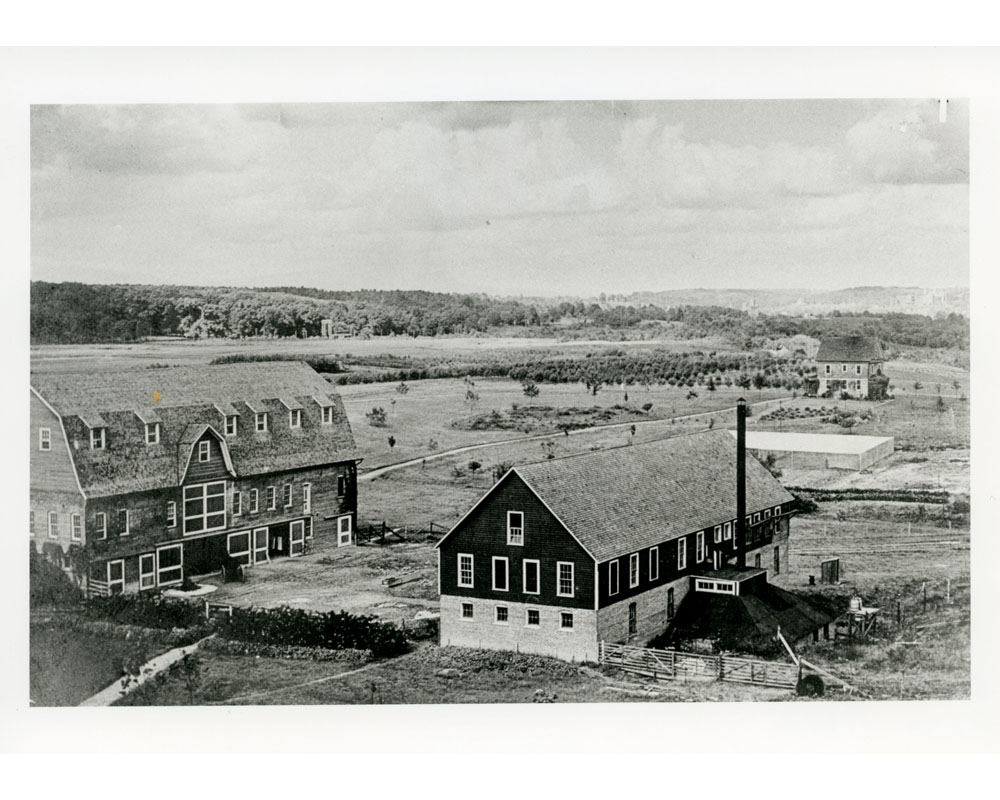
two farm buildings surrounded by open fields

Experimental Farm, USDA, date unknown.

A lot of fascinating and far-reaching work was conducted at the Experimental Farm over the next forty years:

  • The Farm naturalized over 100,000 types of foreign plants for domestic use, using seeds collected from Americans traveling aboard on governmental or private missions. Soybeans are one of the best-known crops to be introduced this way.
  • When a plant disease threatened to wipe out the domestic sugarcane industry in the 1920s the Farm led the way in developing immunity to this blight, which ultimately resulted in the rebuilding of the sugarcane industry.
  • One of the more unusual examples of the Farm’s experiments involved grasses for golf greens. Before WWI the country’s golf courses were almost entirely dependent on German grown seed for their grasses. When the supply was cut off by the war, golf courses throughout the country contributed funds for experiments at Arlington to develop new domestic varieties.
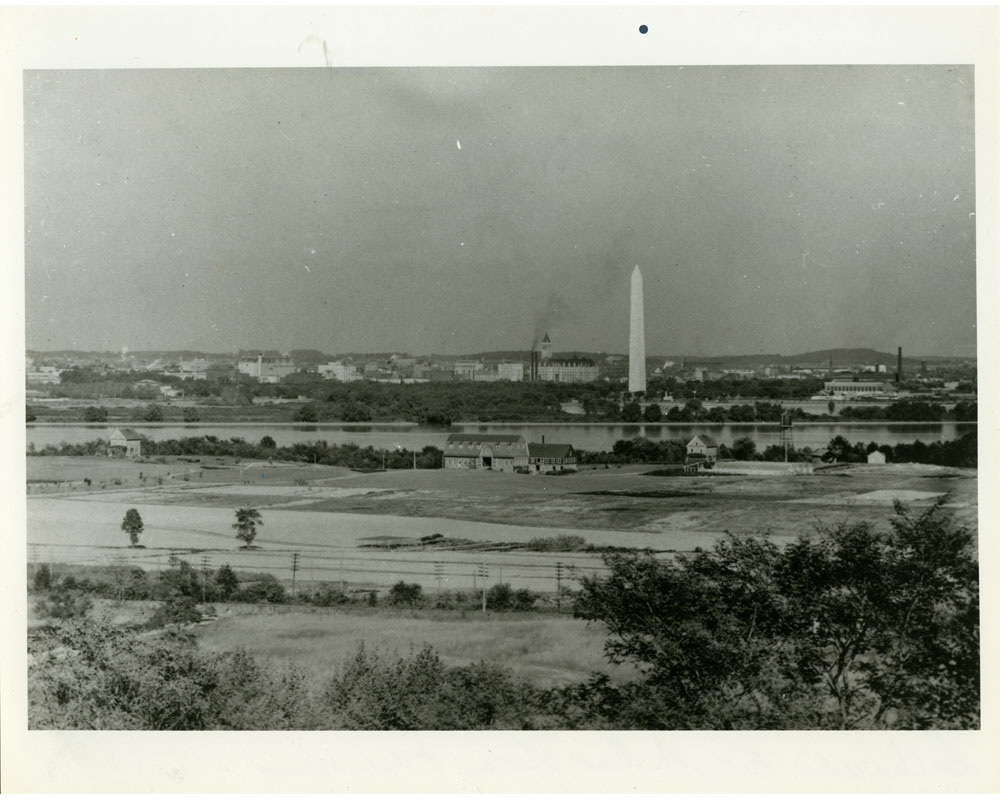
looking over the Experimental Farm land towards the National Monument

U.S. Dept. of Agriculture photo of the Experimental Farm, 1906. National Monument in the background.

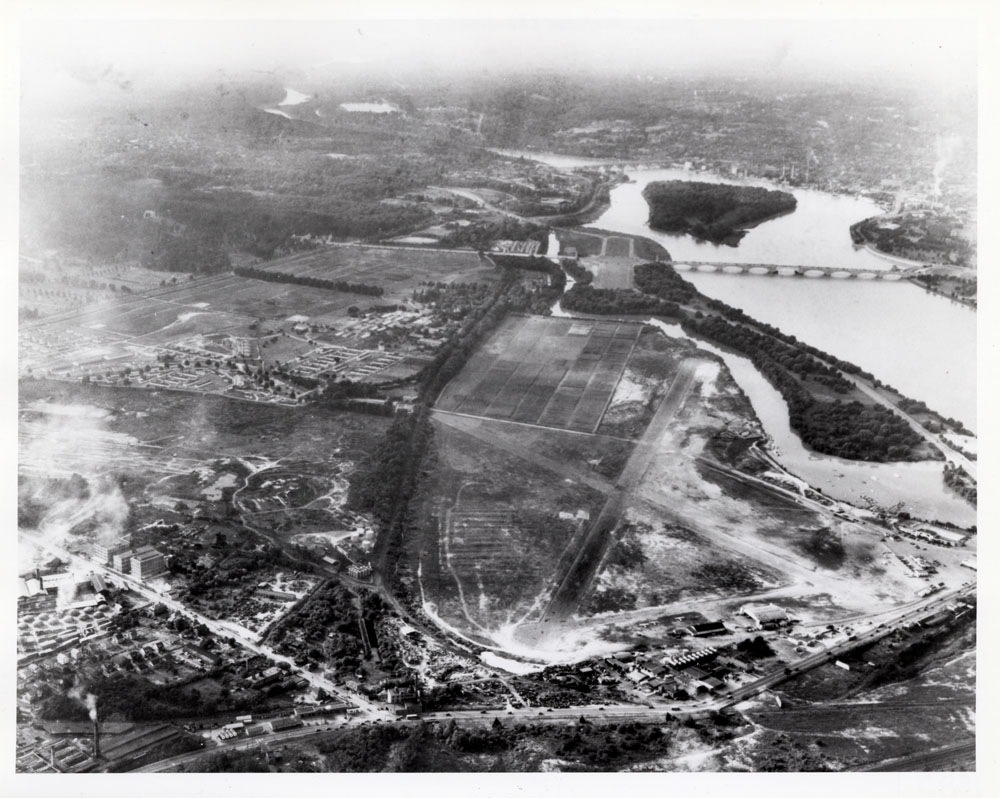
Aerial View, Shows area now occupied by Pentagon, Airport, Memorial Bridge, Aqueduct Bridge, Experimental Farm, 1919

Aerial View of the Experimental Farm, 1919, shows area now occupied by the Pentagon and Airport. Bridges are Memorial Bridge and Aqueduct Bridge.

With the development of Arlington National Cemetery and the construction of Memorial Bridge there was pressure to relocate the farm. In 1932 much of the farm’s work was shifted to Beltsville, MD.

By 1941 the remainder of the property had been transferred to the War Department for use in the National Defense Program.

To see more items like these, or to learn more about Arlington's history, visit the Center for Local History on the first floor of the Central Library.

Do you have a question about this story, or a personal experience to share? 

Use this form to send a message to the Center for Local History.

Center For Local History - Blog Post Message Form

Do you have a question about this story, or a personal experience to share? Use this form to send a message to the Center for Local History.

"*" indicates required fields

This field is for validation purposes and should be left unchanged.

Share Your Story

May 22, 2019 by Web Editor

The Aqueduct Bridge

Post Published: May 15, 2019

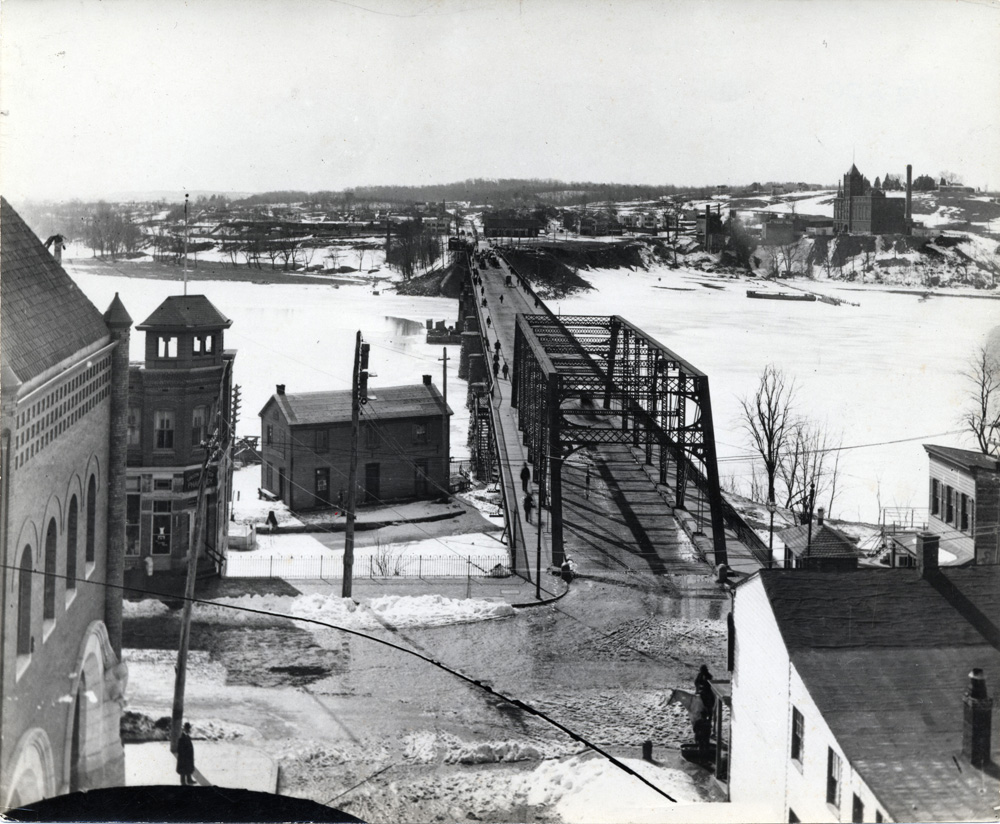
Before the Key Bridged spanned the Potomac River from Georgetown to Rosslyn, the Alexandria Aqueduct carried barges on an extension of the C&O Canal from Georgetown to Alexandria (then encompassing Arlington County and the City of Alexandria), to keep the city competitive as a trading center.

NOTE: The following two paragraphs have been edited to correct an error, and add information. 

These two photographs were taken approximately forty years apart.

photo of the Alexandria Aqueduct Bridge looking towards Georgetown

Aqueduct Bridge, c. 1900, photographed from Georgetown

Photo of the Key Bridge with Alexandra Aqueduct footings, looking towards Georgetown

Key Bridge with remaining piers of old aqueduct, c. 1940, photographed from Georgetown

The first photo, c.1900, was taken from Georgetown looking towards Rosslyn. It shows the Aqueduct Bridge (also known as the Potomac or Alexandria Aqueduct), which connected Virginia and Georgetown from 1843 to 1923. The tall building in the upper right corner of the first photo was a brewing company that began as the Consumer Brewing Company (1895 -1902) and then became the Arlington Brewing Company (1902 -1918).

The second image shows the Key Bridge with the last vestiges of the Aqueduct Bridge. Construction on the Aqueduct Bridge began in 1833 at the bequest of the Alexandria Canal, which knew its port would suffer because of the C&O Canal. The bridge took ten years to construct, and in 1868, a second level was added to the bridge to serve as a road between Rosslyn and Georgetown for people and carts.

In 1886, the bridge was closed to canal boats, but the Aqueduct Bridge continued to be used as a bridge for traffic between Georgetown and Rosslyn until 1923, when the Key Bridge opened.

The Aqueduct Bridge's iron superstructure was removed in 1933 by the Depression-era Civil Works Administration, and in 1962 the Army Corps of Engineers removed the tops of seven of the eight stone piers visible in the Key Bridge image. The eighth pier—the one closest to Virginia—was left intact and is visible to this day. You can also still see remnants of the Georgetown abutment near the western base of the Key Bridge.

To see more items like these, or to learn more about Arlington's history, visit the Center for Local History on the first floor of the Central Library.

Do you have a question about this story, or a personal experience to share? 

Use this form to send a message to the Center for Local History.

Center For Local History - Blog Post Message Form

Do you have a question about this story, or a personal experience to share? Use this form to send a message to the Center for Local History.

"*" indicates required fields

This field is for validation purposes and should be left unchanged.

Share Your Story

May 15, 2019 by Web Editor

Hygiene Class for New Mothers

Post Published: May 7, 2019

Happy Mother's Day to all the women who have worked to keep us both healthy and clean!

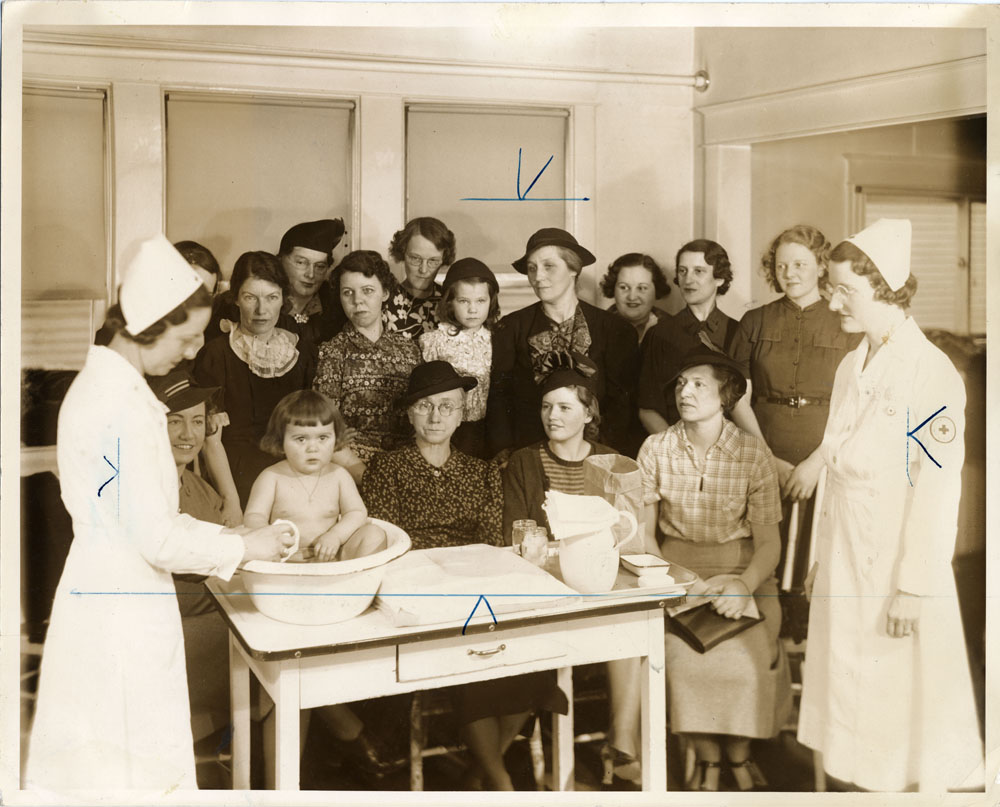
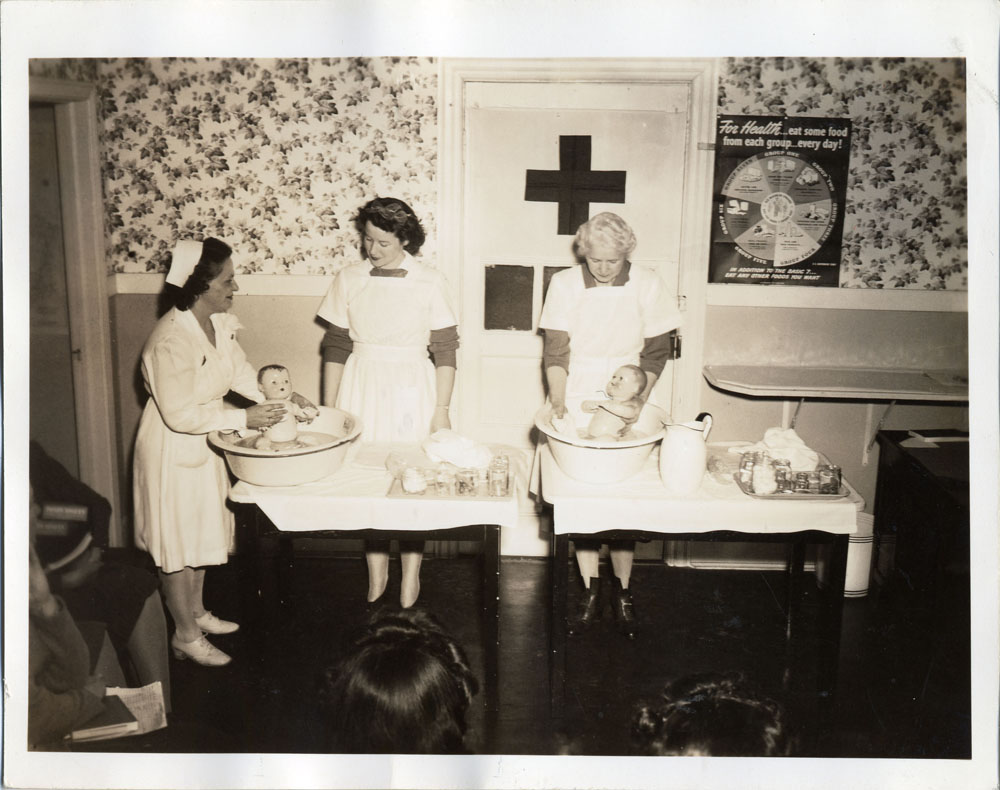
These photos are from Arlington Health Department hygiene classes, which were offered for new and expectant mothers in the 1930s and 1940s.

Health Department baby bath demonstration by home nursing staff, 1943

Home hygiene clinic, 1938

Health Department baby bath demonstration by home nursing staff, 1943

Baby bath demonstration, 1943

During this time period, health and cleanliness were considered one and the same, so personal hygiene was seen as essential to being healthy.

The classes for new mothers covered maternity hygiene, infant hygiene, and preschool hygiene. Among other things, nurses demonstrated the best way to wash a toddler and a baby.

To see more items like these, or to learn more about Arlington's history, visit the Center for Local History on the first floor of the Central Library.

Do you have a question about this story, or a personal experience to share? 

Use this form to send a message to the Center for Local History.

Center For Local History - Blog Post Message Form

Do you have a question about this story, or a personal experience to share? Use this form to send a message to the Center for Local History.

"*" indicates required fields

This field is for validation purposes and should be left unchanged.

Share Your Story

May 7, 2019 by Web Editor

Prom Season at Bishop O’Connell

Post Published: May 1, 2019

Spring is in the air... time for April showers, May flowers and prom!

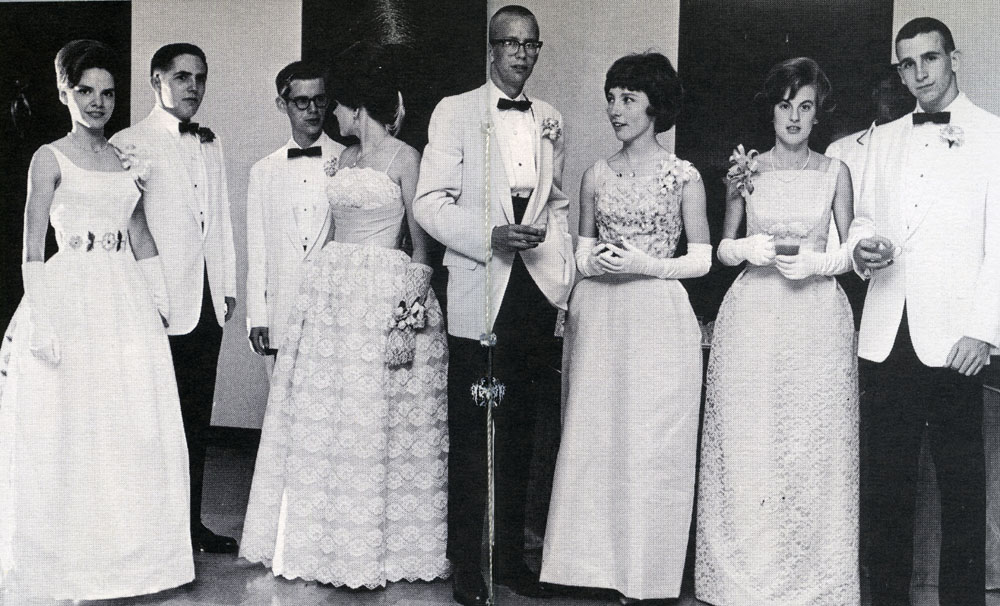
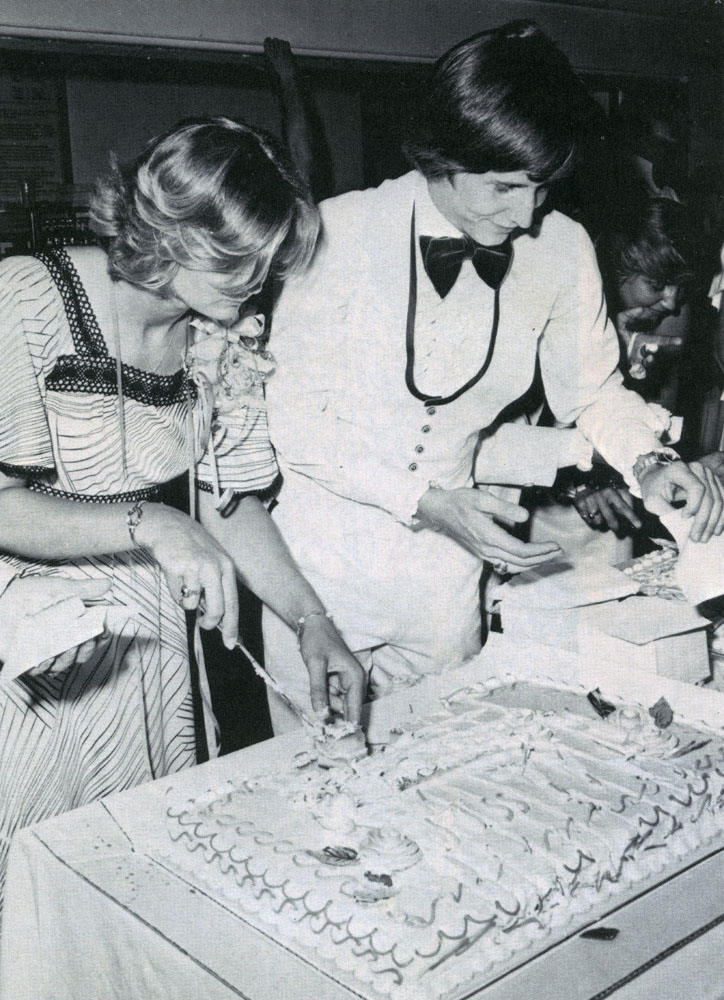
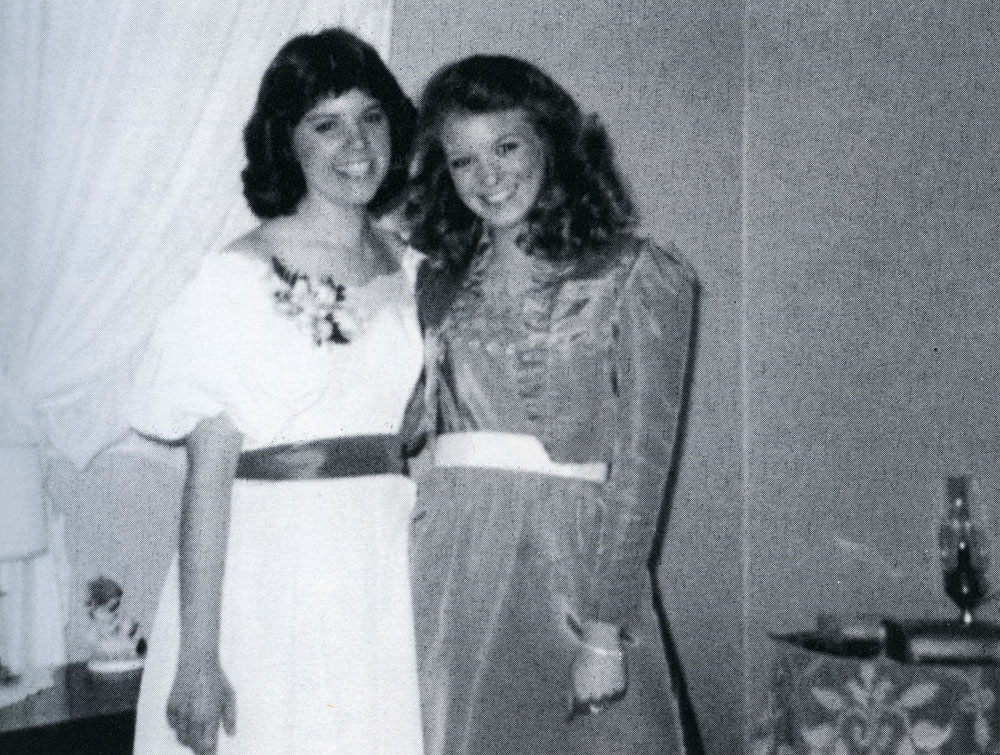
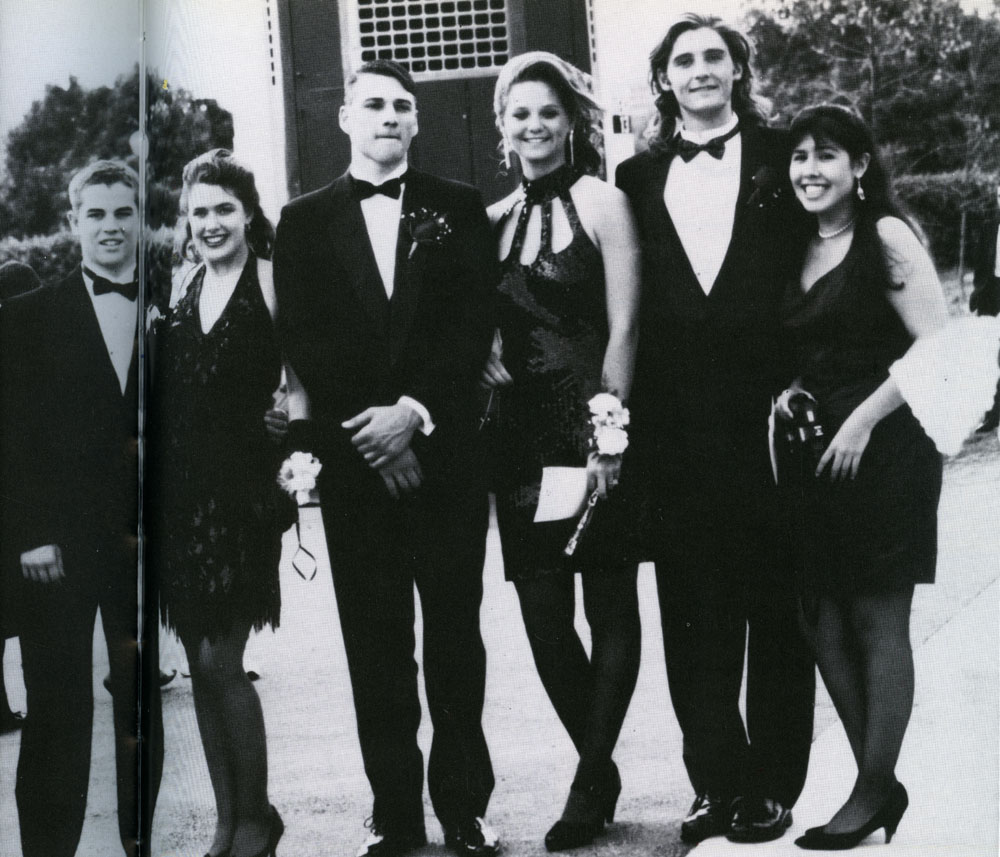
Did you go to your high school prom? These photos, scanned from Bishop O’Connell yearbooks, show prom outfits through the years. How do they compare to what you wore?

Prom Bishop O'Connell 1964 a row of young women in white dresses and young men in white jackets

Bishop O’Connell, 1964

Bishop O'Connell students serving themselves cake at their Senior Prom

Bishop O’Connell, 1977

Bishop O'Connell juniors wait for the prom dates, 1984

Bishop O’Connell, 1984

Bishop O'Connell students all dressed in black pose before heading to their Senior Prom, 1993

Bishop O’Connell, 1993

Although prom is now a high school tradition known for its extravagance and debauchery, it began in Northeast colleges and universities as pseudo coming-out event (prom is actually short for promenade).

Unfortunately, the Center for Local History's photo archive does not include many prom photos. This is partly because high school yearbooks tend to go to print before most proms are held.

Do you have photos of your Arlington prom that you would like to add to the Center for Local History's Community Archive? Visit or contact the Center for Local History at Central Library, and let us know!

To see more items like these, or to learn more about Arlington's history, visit the Center for Local History on the first floor of the Central Library.

Do you have a question about this story, or a personal experience to share? 

Use this form to send a message to the Center for Local History.

Center For Local History - Blog Post Message Form

Do you have a question about this story, or a personal experience to share? Use this form to send a message to the Center for Local History.

"*" indicates required fields

This field is for validation purposes and should be left unchanged.

Share Your Story

May 1, 2019 by Web Editor

A Coffee Shop’s Many Faces

Post Published: April 24, 2019

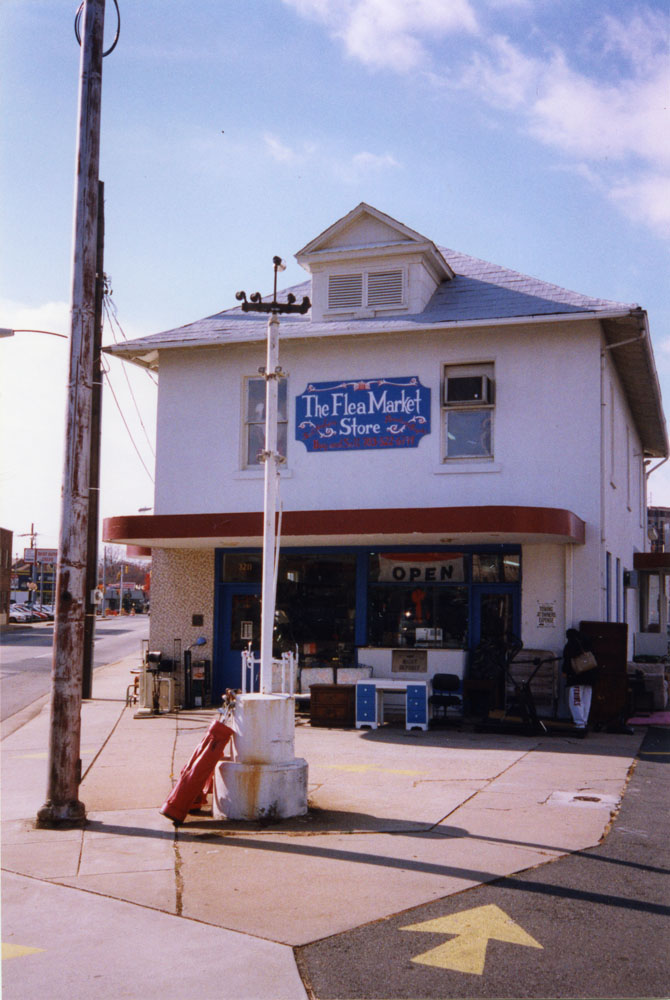
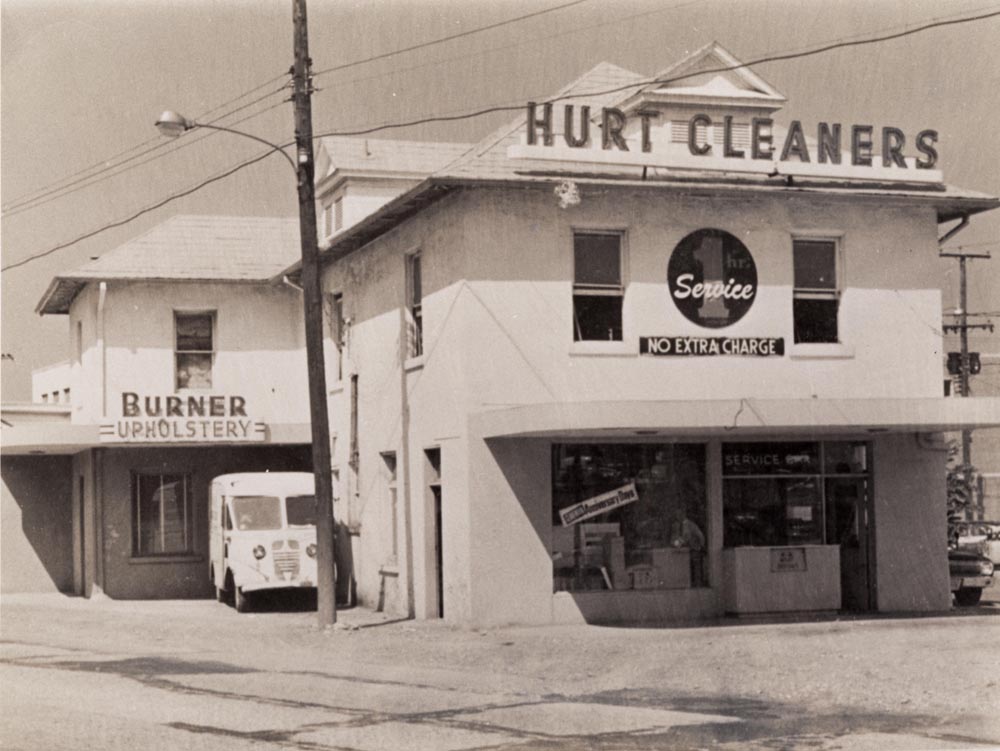
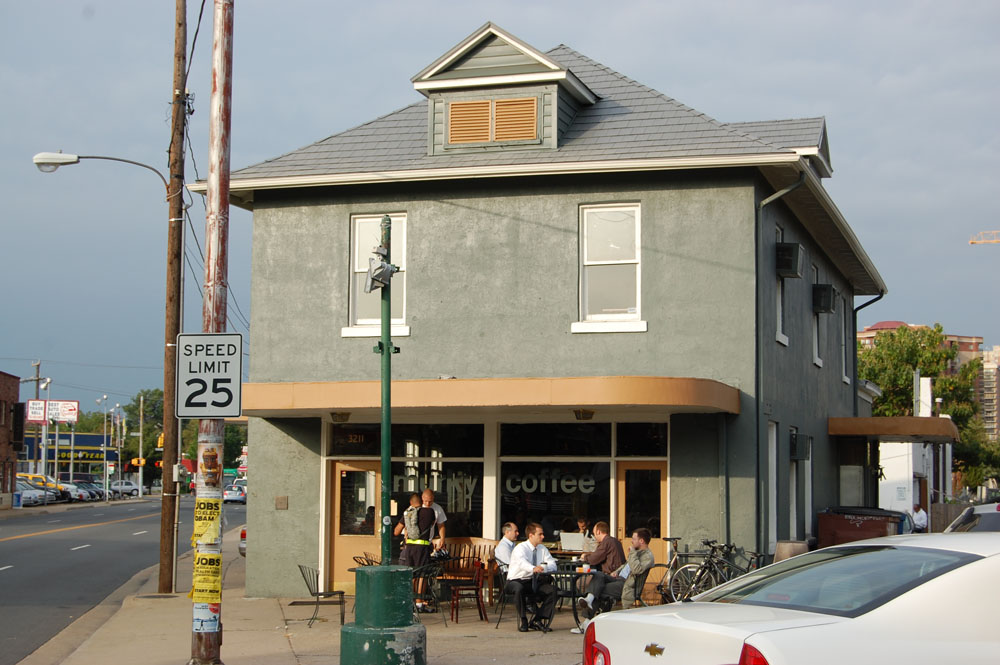
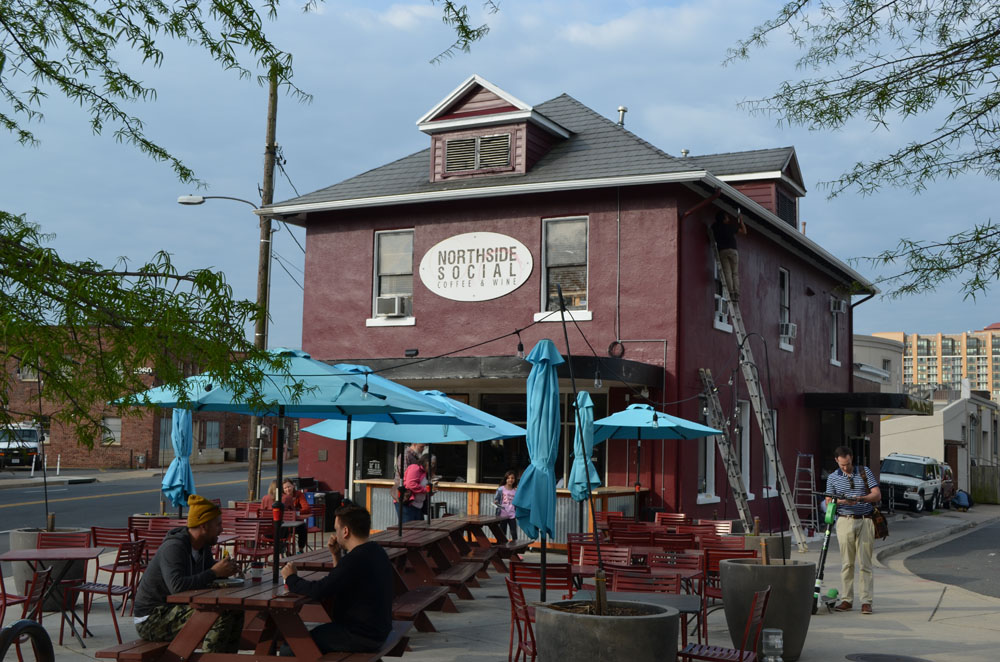
Do the roof lines and windows of these buildings look familiar?

The Flea Market Store, 1998
Hurt Cleaners, c. 1949
Marky Coffee, 27 August 2008
Northside Social, April 2019

If you thought each of these photos is of the same building, then you are correct!

The building was modeled after the Clarendon trolley station, constructed in 1904 and pictured here circa 1910. The trolley station stood opposite to 3211 Wilson Boulevard at North Washington and Clarendon Boulevard. Arlington‘s trolley stations ran throughout the County beginning in the 1890s up until the Great Depression when they were unable to compete with the rise of the automobile.

One way to trace Arlington’s history is through its development. The changing use of this building has paralleled Clarendon’s role for Arlington residents—as a place of utility in the mid-20th Century; utility and leisure in the late-20th Century; and leisure and socialization in the last 20 years.

Can you match the photos to the businesses, and put them in order by date?

Photos:

  • Murkey Coffee
  • Northside Social
  • Hurt Cleaners
  • The Flea Market Store

Dates:

  • c. 1949
  • 1998
  • 2008
  • 2019

To see more items like these, or to learn more about Arlington's history, visit the Center for Local History on the first floor of the Central Library.

Do you have a question about this story, or a personal experience to share? 

Use this form to send a message to the Center for Local History.

Center For Local History - Blog Post Message Form

Do you have a question about this story, or a personal experience to share? Use this form to send a message to the Center for Local History.

"*" indicates required fields

This field is for validation purposes and should be left unchanged.

Share Your Story

April 24, 2019 by Web Editor

Edmond C. Fleet, Community Swimming Pool Supporter

Post Published: April 18, 2019

Edmond C. Fleet (1902-1983) was a civilian pastry chef for the United States Navy, who found significant ways to put his organizing talents to good use for the Nauck community.

Besides being a member of the local African-American Elks Lodge, Masonic Lodge, and Oddfellows, he was a co-founder of the Veteran’s Memorial Branch of the YMCA, located at 3440 22nd Street S, one block away from Macedonia Baptist Church.

Built in 1953, the Veteran’s Memorial YMCA served the “non-white” residents of the county. Located near Drew School, it naturally had a strong bond with neighborhood children, especially since the county’s Parks and Recreation system was still segregated.

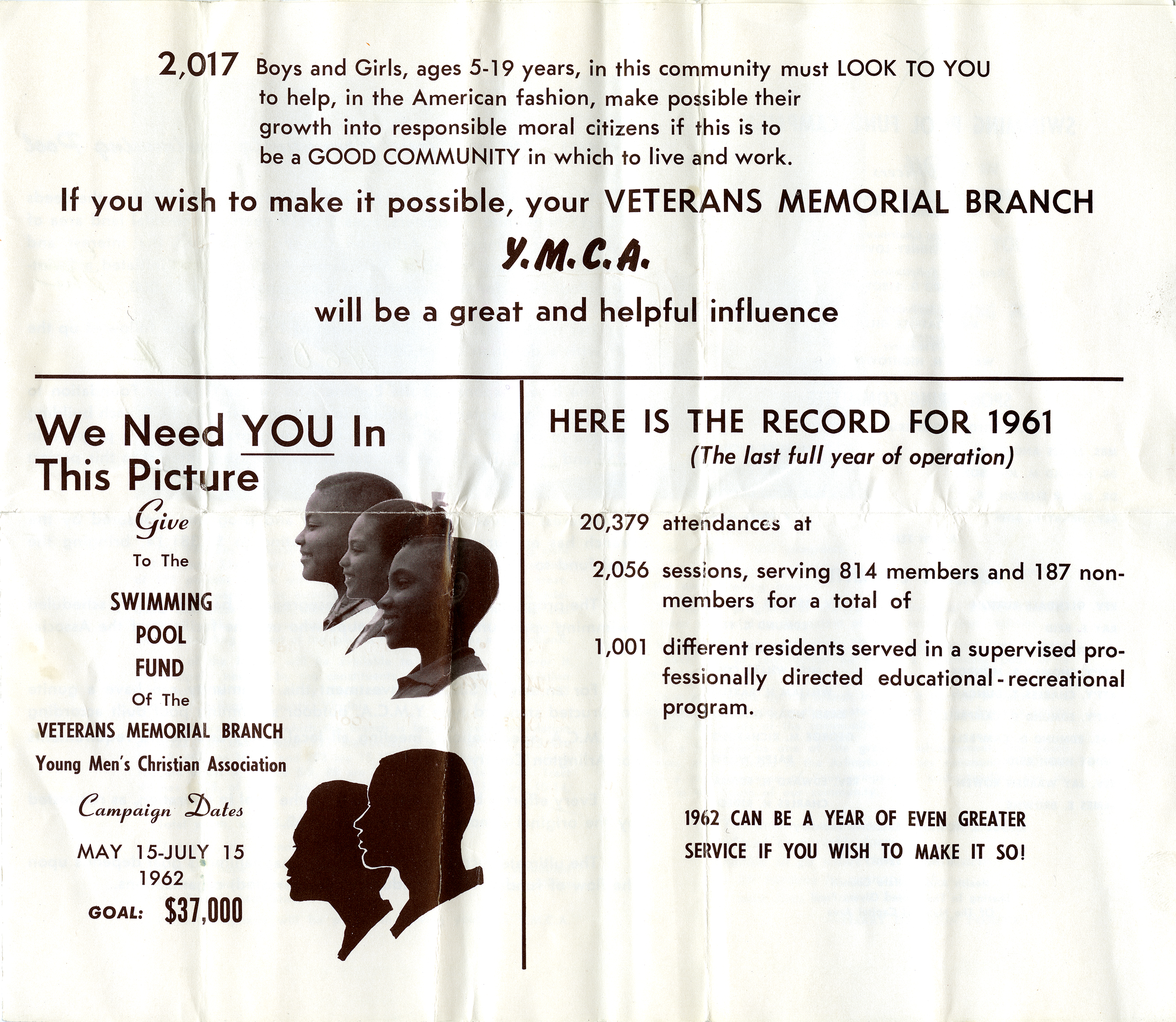
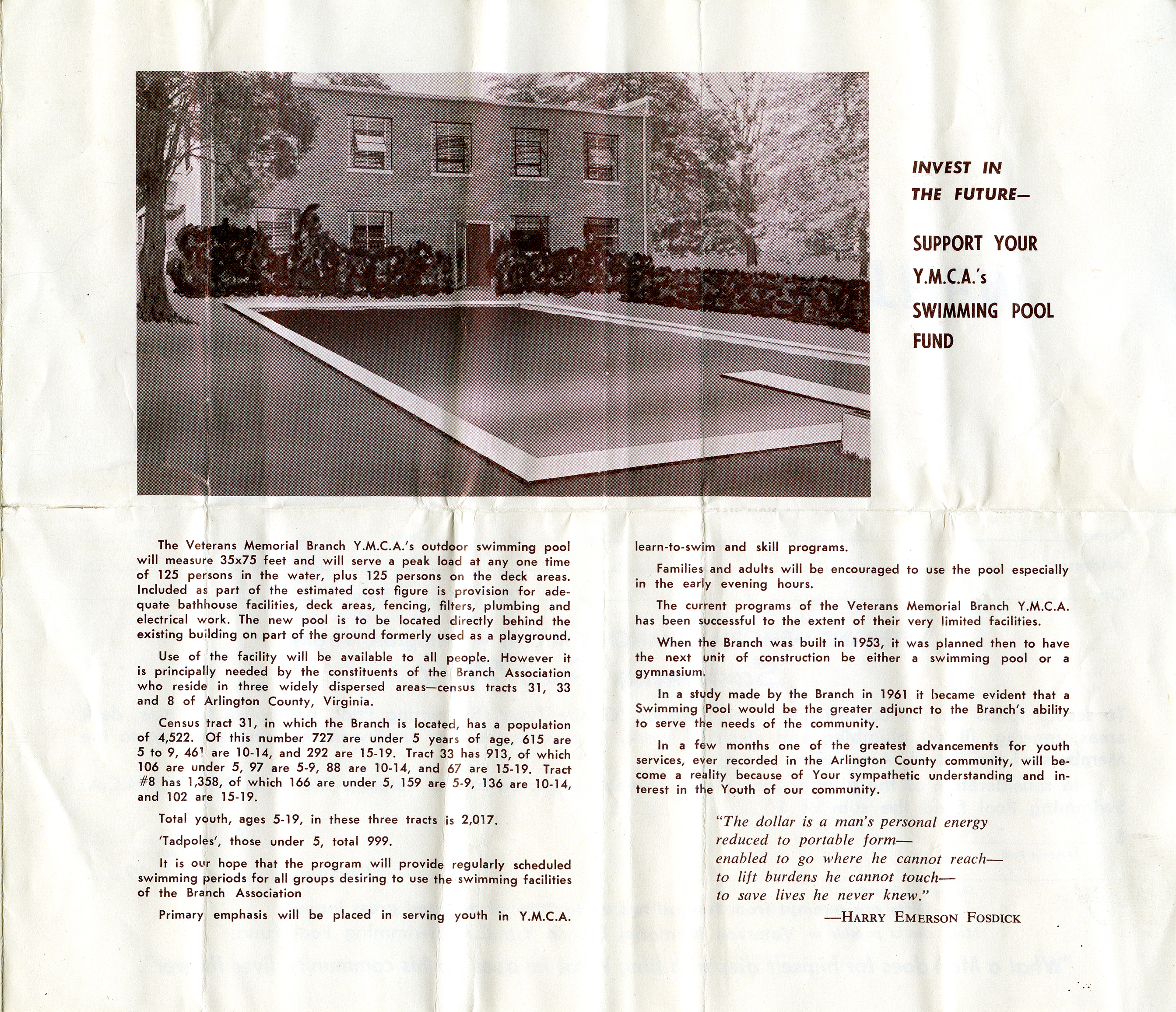
In the late 1950s, this YMCA started a campaign to build a swimming pool as there were no pools in the County that would allow African-Americans in.

Front page of mailer asking for donations for construction of Veteran's Memorial YMCA pool.
Third page of mailer sent out to get contributions for construction of the Veteran's Memorial YMCA swimming pool.

This 1962 pledge brochure, which lists Fleet as a member of the Advisory Committee, details plans for the pool and asks for community support. Fleet put his money where his mouth was, and donated money to the YMCA and other organizations in which he was involved, including Mt. Zion Baptist Church where he was in the choir.

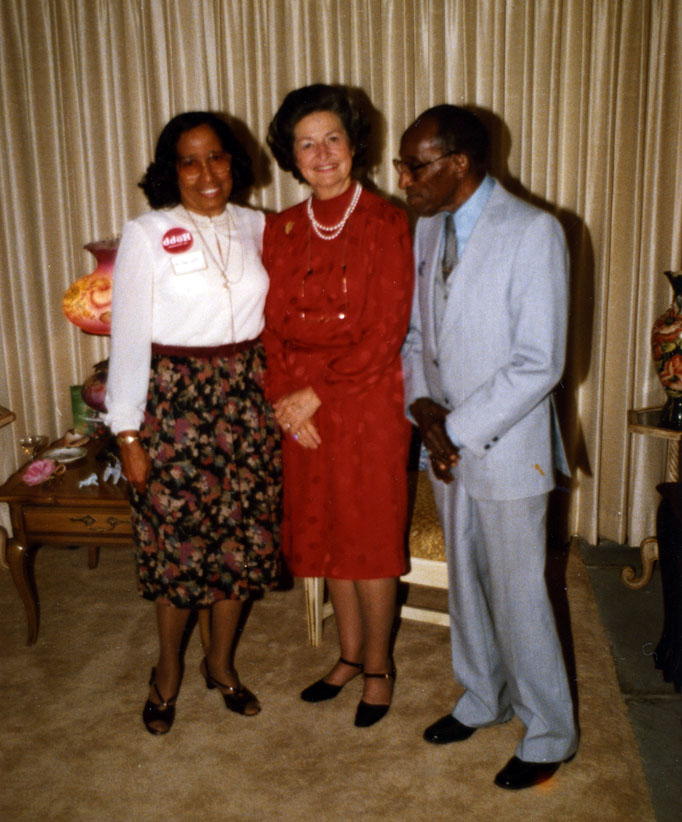
Fleet was involved in local politics too, hosting Lady Bird Johnson at his home for a Chuck Robb campaign event in 1977, when he ran for Lieutenant Governor of Virginia. (Chuck Robb is married to Lady Bird and President Johnson's daughter, Lynda Bird Johnson Robb.)

Edmund Fleet and an unknown woman flank Lady Bird Johnson at a Chuck Robb campaign event held at Fleet's house

Lady Bird Johnson flanked by Edmond C. Fleet and an unidentified Robb supporter, 1977.

To learn more about Edmund C. Fleet and the Veteran’s Memorial YMCA, visit the Center for Local History on the first floor of the Central Library.

Do you have a question about this story, or a personal experience to share? 

Use this form to send a message to the Center for Local History.

Center For Local History - Blog Post Message Form

Do you have a question about this story, or a personal experience to share? Use this form to send a message to the Center for Local History.

"*" indicates required fields

This field is for validation purposes and should be left unchanged.

Share Your Story

April 18, 2019 by Web Editor Tagged With: Green Valley

  • « Go to Previous Page
  • Page 1
  • Interim pages omitted …
  • Page 13
  • Page 14
  • Page 15
  • Page 16
  • Page 17
  • Interim pages omitted …
  • Page 40
  • Go to Next Page »

Footer

About Us

  • Mission & Vision
  • Charlie Clark Center for Local History
  • News Room
  • Get Email Updates

Administration

  • Policies
  • Library Staff
  • Job Opportunities
  • Propose a Program or Partnership

Support Your Library

  • Friends of the Library
  • Giving Opportunities
  • Donating Materials
  • Volunteer Opportunities

Our Mission

We champion the power of stories, information and ideas.

We create space for culture and connection.

We embrace inclusion and diverse points of view.


Download the Library App

Download the Library App

Arlington County | Terms & Conditions | Accessibility | Site Map
· Copyright © 2026 Arlington County Government ·