• Skip to primary navigation
  • Skip to main content
  • Skip to primary sidebar
  • Skip to footer

Alert

Holiday: All library locations to close early at 5 p.m. on Nov. 25 and all day Nov. 26 & 27 in observance of Thanksgiving. More Info

Alert

Central Library garage will be closed Monday, Nov. 23 through Wednesday, Nov. 25 for maintenance. More Info

Alert

Update: No elevator service from garage & Quincy St. entrance closed during Central Library upgrades. More Info

Home - Arlington County Virginia - Logo
MENUMENU
  • Join Now
  • My Account
    • Login
    • My Checkouts
    • My Holds
    • My Lists
    • My Reading History
    • About Borrowing
    • About Holds
    • About My Account
  • Hours & Locations
    • All Hours & Locations
    • Holiday Closings
  • News
    • Library News
    • Director's Blog
    • Get Email Updates
  • Contact Us

Arlington Public Library

MENUMENU
  • Search
  • Collections
  • Library Services
  • Events
  • Community Engagement
  • Join Now
  • My Account
    • Login
    • About Borrowing
    • About Holds
    • About My Account
  • Hours & Locations
    • All Hours & Locations
    • Holiday Closings
  • News
    • Library Blog
    • Get Email Updates
  • Contact Us

News

Lomax Church and Library Celebrate Records Acquisition

Post Published: February 18, 2020

Donation Received from one of Arlington's Oldest Black Churches

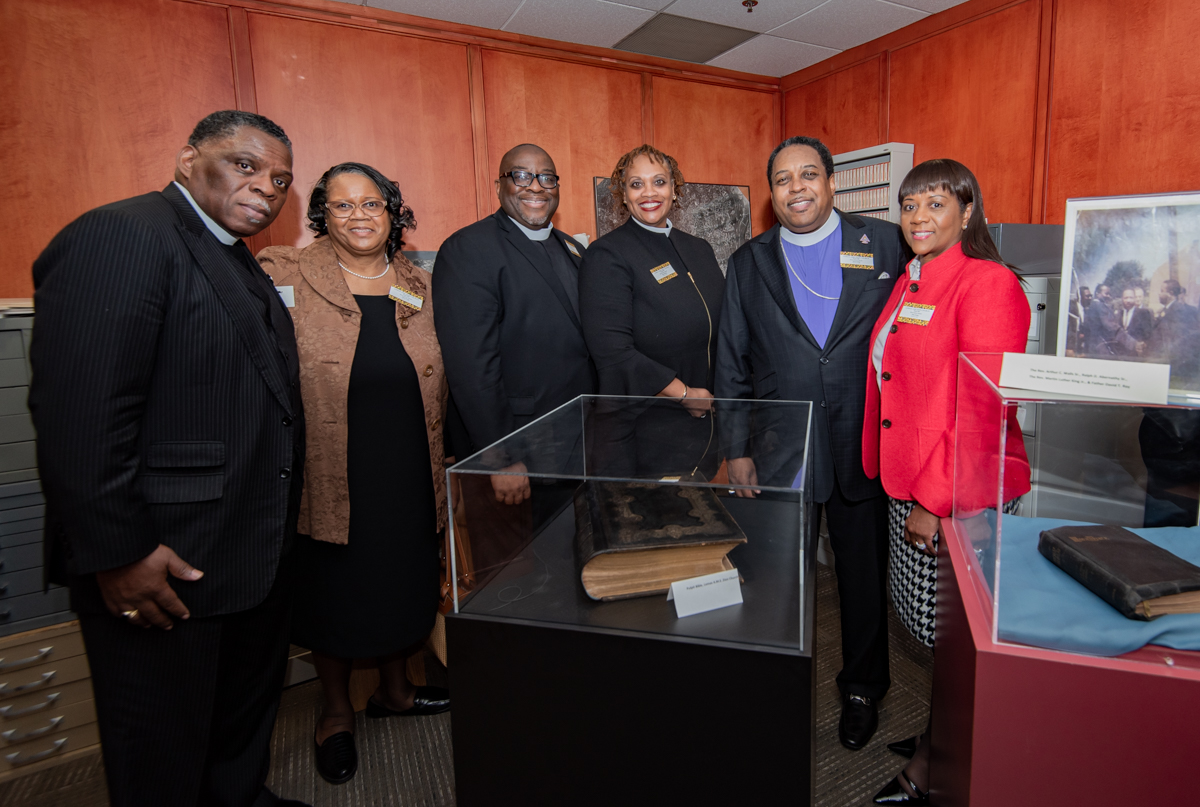
On February 9, 2020, Arlington's Lomax A.M.E. Zion Church and the Center for Local History celebrated the donation of the Church's archival records to the Center's Community Archives. 

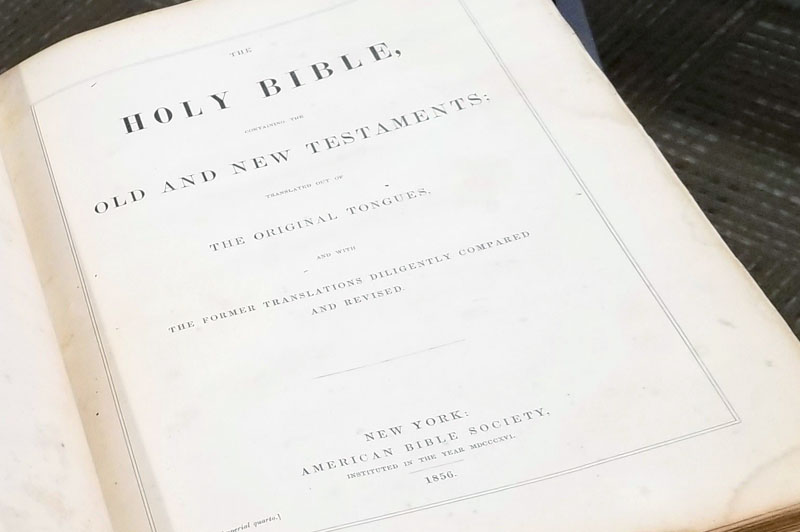
The donation included a large 19th century pulpit bible, printed in 1856.

Now members of the community and beyond can research and discover more about the history of one of Arlington's oldest African-American churches.

Photo of Lomax Bible

19th-century pulpit Bible, currently on display at the Center for Local History.

JBG_0656

From Left: Arlington County Board Member Matt de Ferranti, Reverend Dr. Adrian V. Nelson, Arlington County Board Chairwoman Libby Garvey, Unidentified Church Member, Center for Local History Manager Judith Knudsen, Lomax Archives Chairwoman Brenda Cox, Unidentified Church Member, Bishop W. Darin Moore, Virtual Library Services Manager Stacia Aho, and Unidentified Church Members.

First established by freed slaves on June 12, 1866, in Freedman's Village, Lomax was originally named Wesley Zion Church under the leadership of Reverend Richard Thompkins. In 1874, the congregation decided to purchase land for a permanent home at an original price of $75 with a down payment of $5. In 1876, when T.H. Lomax was elected Bishop and assigned to the Lomax District, the name was changed to Lomax A.M.E. Zion Church.

In the days leading up to the March on Washington in August of 1963, civil-rights activists from around the country were housed in the Lomax Fellowship Hall, and the Reverend Dr. Martin Luther King Jr. and Reverend Ralph Abernathy spoke in the church parking lot prior to this monumental event. A photo of Reverend Dr. Martin Luther King Jr. and Reverend Ralph Abernathy speaking with members of the Lomax Church can be viewed at the Center for Local History.
JBG_0677

Reverend Dr. Adrian V. Nelson (third from left) and Bishop W. Darin Moore (second from right) with members of the Lomax Church in front of 19th-century pulpit Bible on display at the Center for Local History.
Lmaz Bible, frontspiece

19th-century pulpit Bible, printed in 1856, donated by Arlington's Lomax A.M.E. Zion Church; currently on display at the Center for Local History.

Center for Local History manager Judith Knudsen and her team worked with Lomax Church Archives Committee and its Chairwoman, Brenda Cox, to prepare and move materials for the acquisition. This donation was years in the making and both the Center for Local History and the church's Archives Committee spent countless hours to facilitate the exchange of materials.

Over 100 members of the Lomax Church, as well as Deputy County Manager Shannon Flanagan-Watson and three County Board Members: Arlington County Board Chairwoman Libby Garvey; Arlington County Board Member Matt de Ferranti; and Arlington County Board Member Christian Dorsey attended the ceremony.

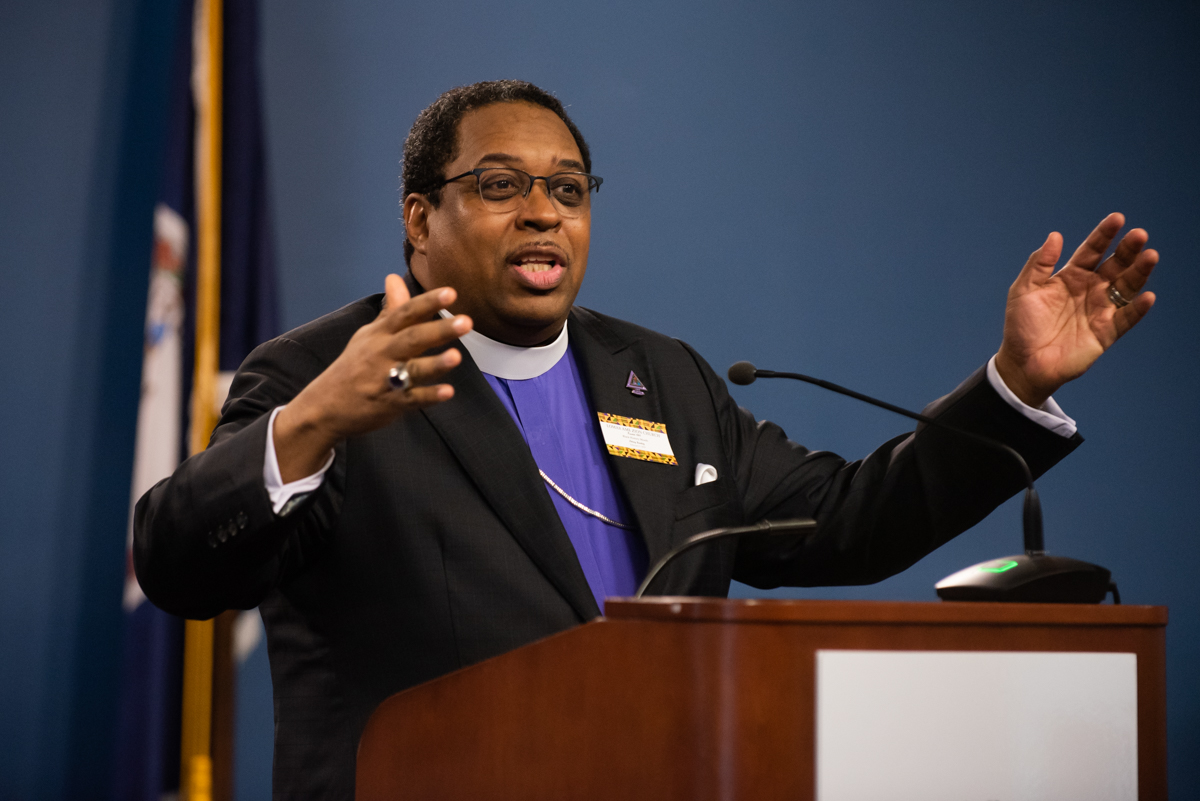
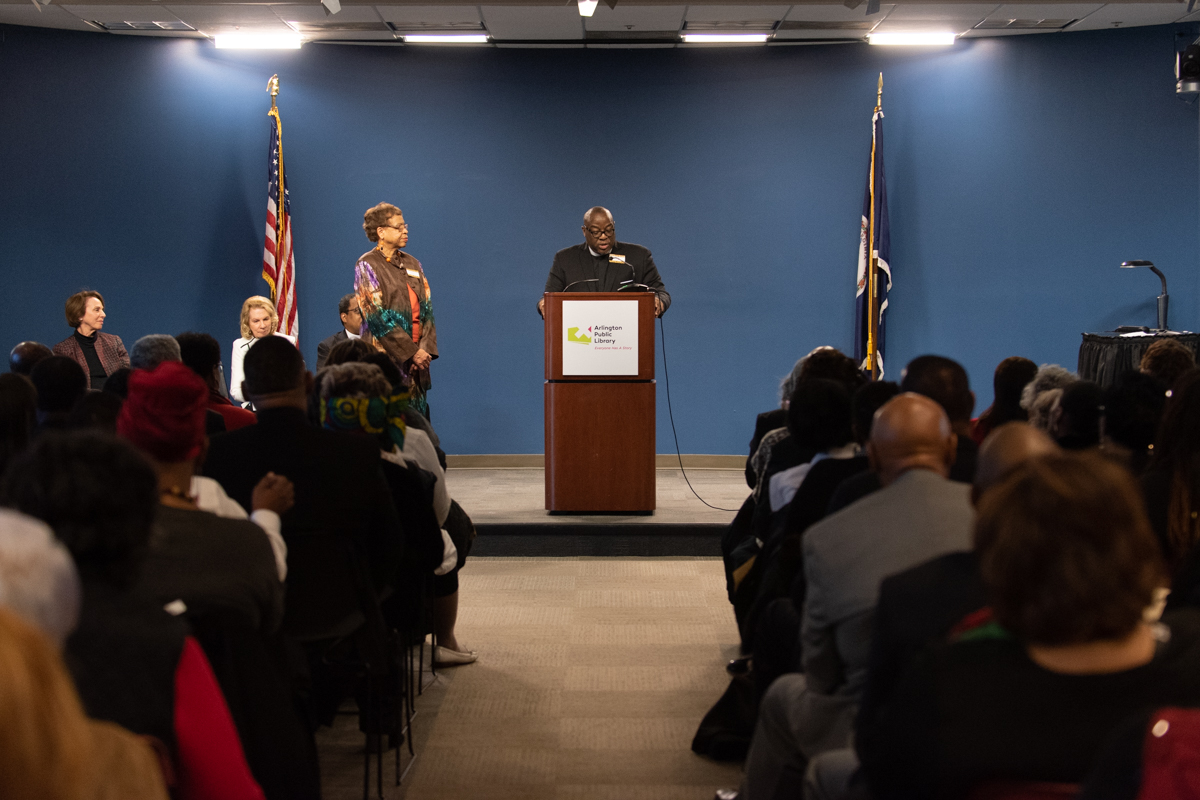
Judith Knudsen and Libby Garvey both gave introductions before Reverend Dr. Adrian V. Nelson and Bishop W. Darin Moore each delivered a speech to those in attendance, highlighting the history of the Church and the significance of the archival donation.
DSC_7828

Reverend Dr. Adrian V. Nelson

DSC_7878

Bishop W. Darin Moore

After the ceremony, a reception was held in the Center for Local History, where food and refreshments were served, courtesy of the Friends of the Arlington Public Library.

The Center for Local History invites the Arlington Community to play an active role in documenting their history by donating physical and/or digital materials for the Center for Local History’s permanent collection.

Learn more about the donation process, and how to make a donation.
February 18, 2020 by Web Editor

Valentine’s Day Postcards

Post Published: February 11, 2020

The price of a stamp to mail a postcard in the early 1900s was just one penny. 

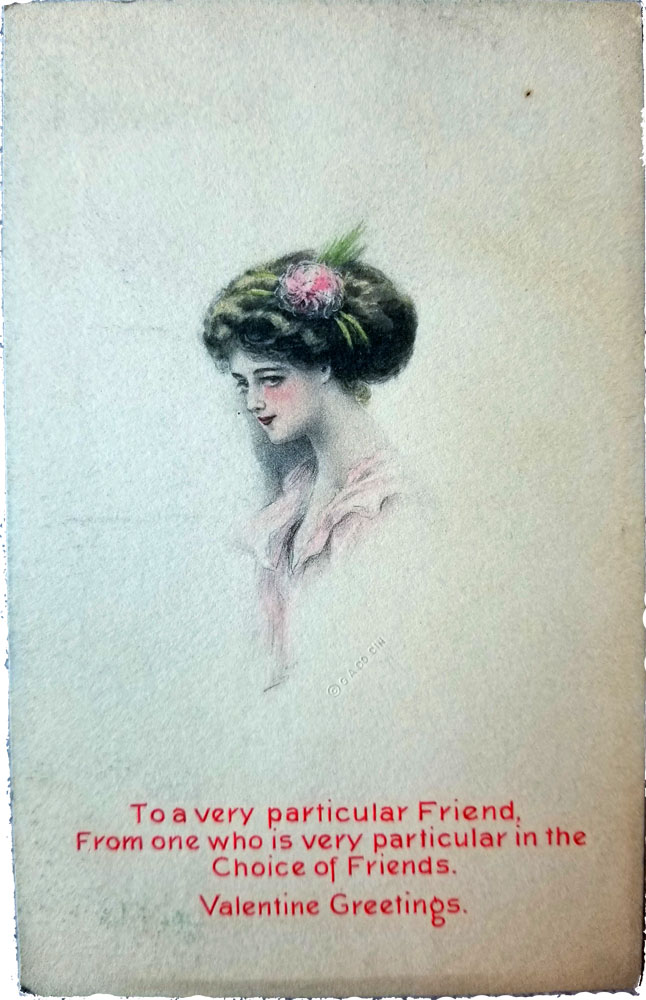
To a very particular friend, from one who is very particular in the choice of friends. Valentine's Greetings.

Postcard sent from Morgantown. WV, February 14, 1913

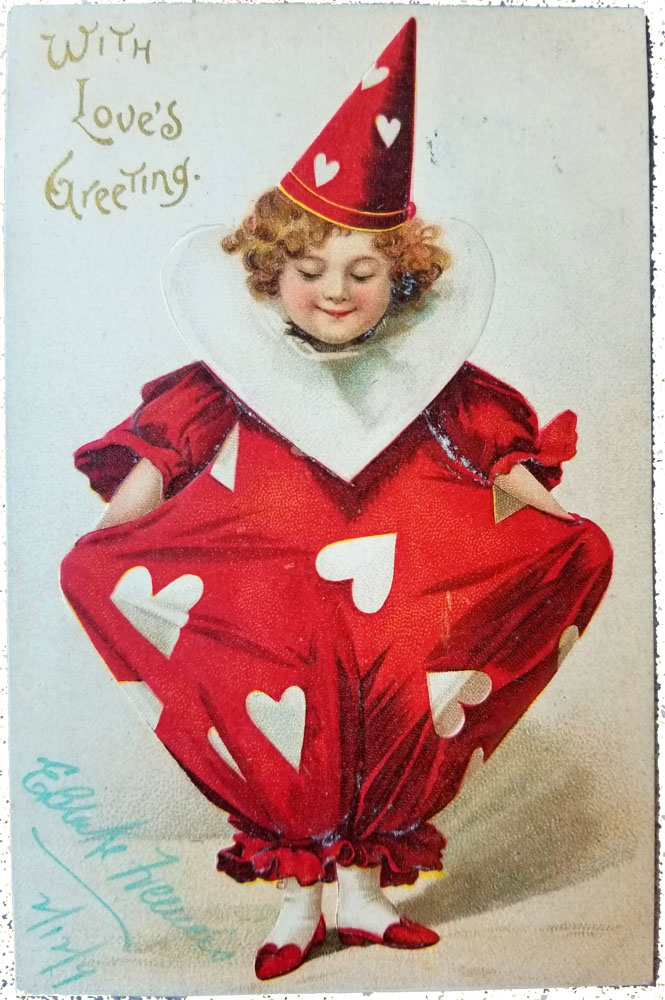
Postcard: With Love's Greeting

Postcard sent from Annapolis, MD, February 12, 1909

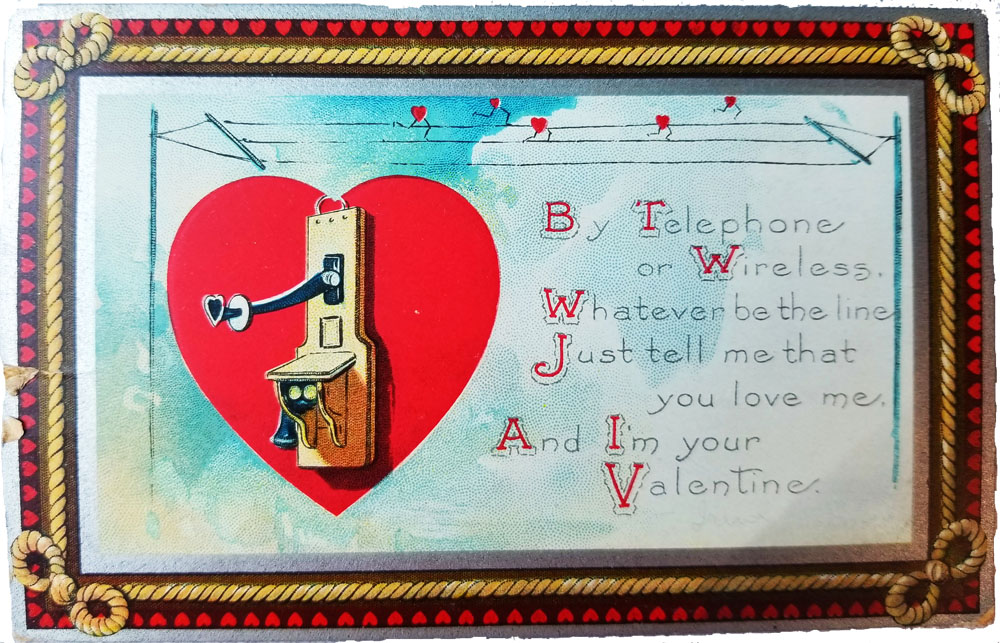
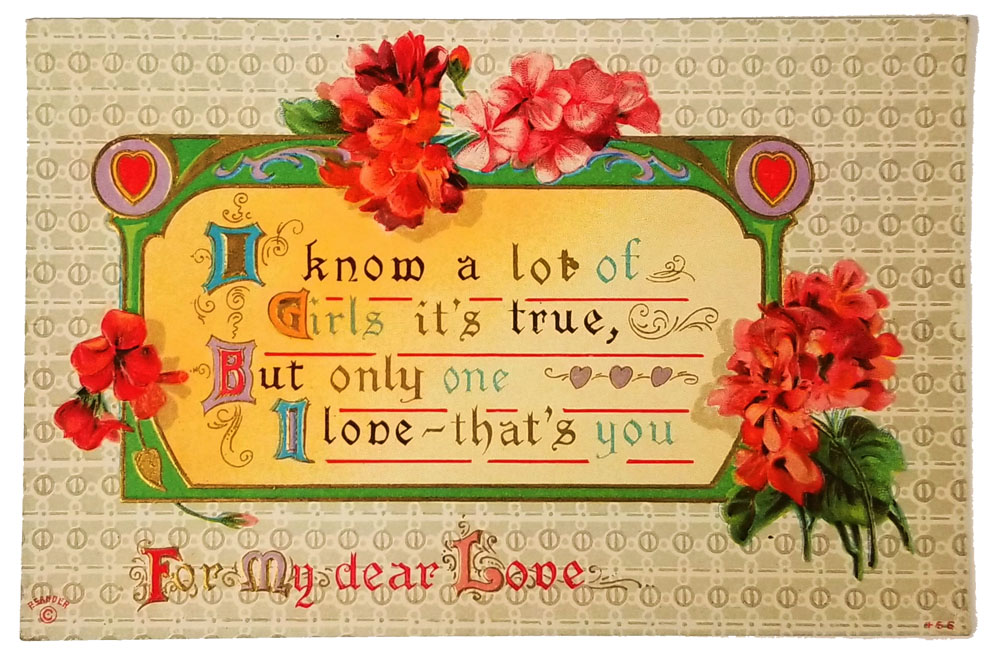
These Valentine's Day postcards, part of a collection sent from around the region to Miss Irene Andris, have postmarks ranging from 1906 through 1913. Some include personal messages, but many are simply addressed to the recipient.

Irene Andris was the grandmother of a Library employee, who donated the collection to the Center for Local History.

By Telephone or Wireless, Whatever be the Line, Just tell me that you love me and I'm your valentine

Postcard sent from Morgantown. WV, date stamp illegible.

I know a lot of girls it's true but only one I love - that's you. For my dear love.

Postcard sent from Morgantown. WV, February 14, 10 a.m., no year.

The Center for Local History has a large collection of holiday-themed postcards from the early-to-mid 20th Century. There are also postcards for birthdays, New Year’s, Christmas, Halloween, St. Patrick’s Day, and the Fourth of July. 

The first American postcard was pressed in 1873. Postcards quickly became an inexpensive form of communication, growing in popularity throughout the 19th and 20th Centuries. The study and collection of postcards, which you've just learned a little bit about by reading this, is called Deltiology.

To see more of the postcard collection, or to learn more about Arlington's history, visit the Center for Local History on the first floor of the Central Library.

Do you have a question about this story, or a personal experience to share? 

Use this form to send a message to the Center for Local History.

Center For Local History - Blog Post Message Form

Do you have a question about this story, or a personal experience to share? Use this form to send a message to the Center for Local History.

"*" indicates required fields

This field is for validation purposes and should be left unchanged.

Share Your Story

February 11, 2020 by Web Editor

Exhibition Pays Tribute to Women in Arlington

Post Published: February 11, 2020

Women's Work: Then & Now

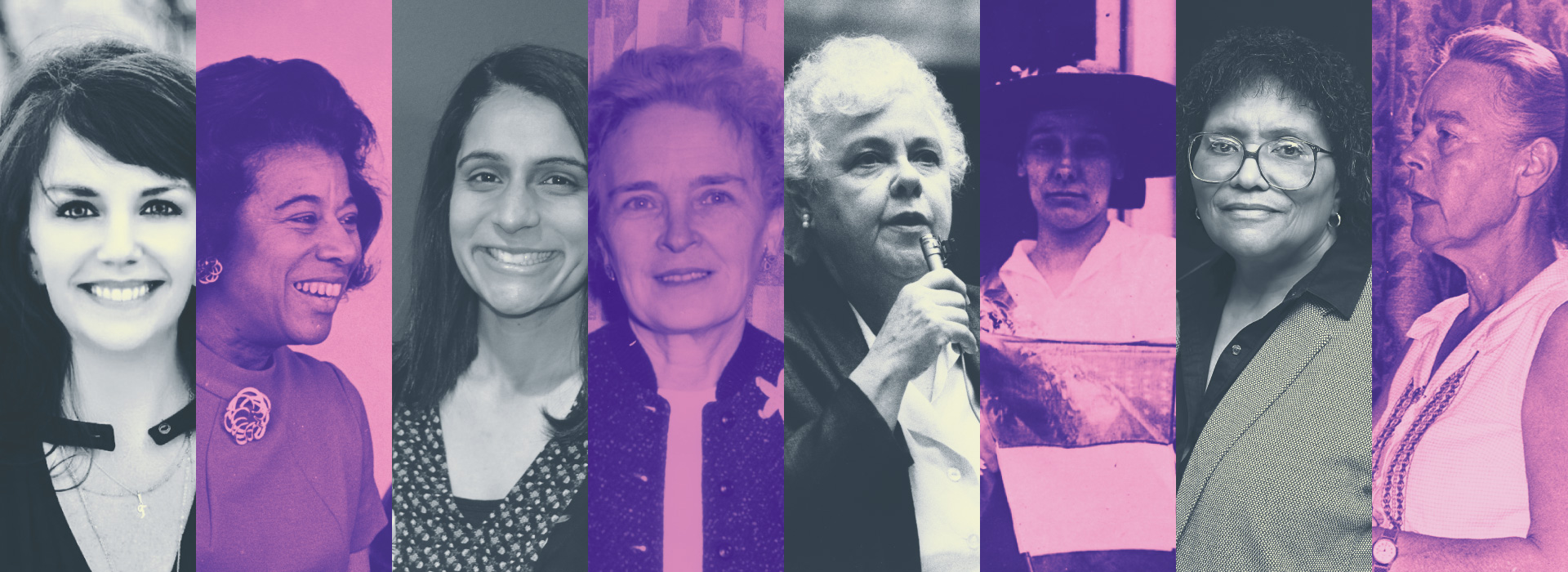
faces of many women from exhibit

The 29 Arlington women profiled in the exhibit include (from left to right) Caroline Gary Romano, Margarite Syphax, Seema Jain, Dr. Phoebe Hall Knipling, Mary A. R. Marshall, Gertrude Crocker, Marguerete Luter and Cornelia Bruere Rose, Jr.

In March, Arlington Public Library will launch a new exhibition at Central Library, titled “Women’s Work: Then & Now.”

  • March 5 through April 2 at Central Library.
  • Exhibition opening Thursday, March 5, 6:30 p.m., followed by an author talk with featured guest Liza Mundy, author of "Code Girls."
RSVP

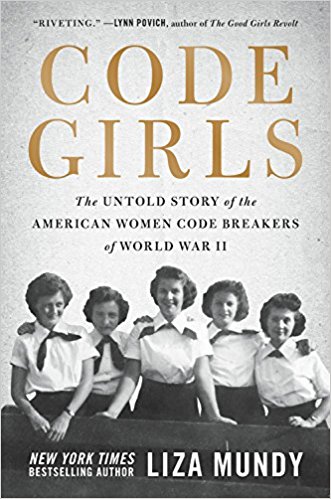
The opening reception will be followed by an author talk with Liza Mundy. In "Code Girls: The Untold Story of the American Women Code Breakers of World War II," Mundy uncovers the truth about the army of women code-breakers who worked behind the scenes here in Arlington and in Washington DC, and brings to life the forgotten history of these unsung heroes whose efforts helped save hundreds of lives.

book cover of "code girls"

The exhibition commemorates both Arlington County’s 100th anniversary and the 100 years since the passage of the 19th Amendment. Included in this exhibition are stories, photographs, letters and memorabilia, which spotlight individuals and groups of Arlington women who dedicate their work to improve their community and the lives of others.

“These stories show that women are strong, resilient, even fierce when necessary, and that they are more than able to carry out the work before them,” said Diane Kresh, Director of Arlington Public Library. “Arlington would not be the same without them.”

Discover and learn about the work of Anna Barber, Charlene Bickford, Ellen Bozman, Judith Brewer, Elizabeth Campbell, Gertrude Crocker, Pauline Haislip Duncan, Alice Fleet, Alice Foster, Saundra Green, Critchett Hodukavich, Seema Jain, Carolyn (Carrie) Johnson, Cintia Johnson, Dr. Phoebe Hall Knipling, Puwen Lee, Marguerete Luter, Mary A. R. Marshall, Sushmita Mazumdar, Ruby Lee Minar, Constance (Connie) Ramirez, Caroline Gary Romano, Cornelia Bruere Rose, Jr., Virginia Lillis Smith, Florence Starzynski, Margarite Syphax, Nancy Tate, Marjorie Varner, and Dr. Emma Violand-Sanchez.

The nominees, selected by the 16 exhibition partners, were based on their groundbreaking, visionary and ongoing contributions to the communities they serve. Also included in this exhibition, are women who were curated from the Center for Local History’s online exhibition, “Women’s Work: Stories of Persistence and Influence.”

The exhibition partners are AED-Cultural Arts, Arlington County Commission on the Status of Women, Arlington County Department of Human Services, Arlington County Department of Parks and Recreation, Arlington County Fire Department, Arlington County Police Department, Arlington County Sheriff’s Office, Arlington Food Assistance Center, Arlington Historical Society, Arlington Public Schools, CPHD-Historic Preservation, Encore Learning, Friends of the Arlington Public Library, Girl Scouts Association 60, League of Women Voters of Arlington and WomenWork (WoW) Employee Resource Group.

February 11, 2020 by Web Editor Tagged With: news release archive

Oral History: Renting in Clarendon in the 1950s

Post Published: February 6, 2020

Interview with Ann Brock

Arlington Voices the Oral History Collection

Oral histories are used to understand historical events, actors, and movements from the point of view of real people’s personal experiences.

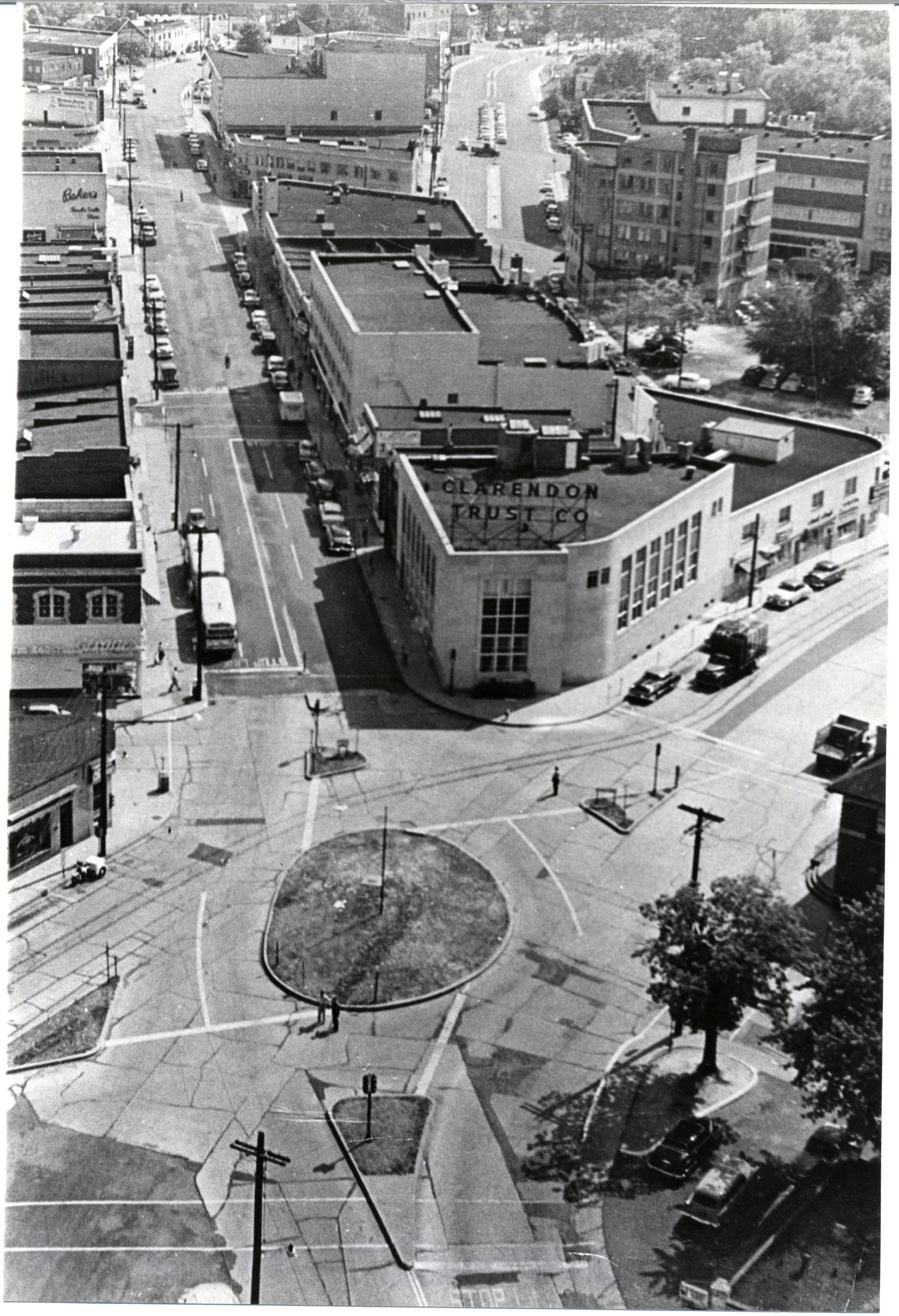
Arlington in the 1940s and 1950s was very different than it is today, but it has always remained an interesting and unique place to live. In this oral history segment, longtime Clarendon resident Ann Brock shares her memories of renting apartments in the neighborhood when she and her husband were newlyweds in the early 1950s.

230-1109p Brock

Photo of Clarendon Circle Intersection, circa 1950s. On the right is Washington Boulevard, top center is Clarendon Boulevard. and left is Wilson Boulevard.

Narrator: Ann Brock
Interviewer: Emily Curley
Date: February 27, 2019

EC: So where was the first place that you lived in Clarendon?

AB: Are you ready for this?

EC: I’m ready.

AB: Where the IHOP is now, there was a Chinese laundry and my husband and I had an apartment over top the Chinese laundry. That was our first residence.

EC: (laughs) Okay, and what was that like?

AB: It was unusual—(laughing)—but it was fun.

EC: Okay. So where did you move after that?

AB: Well, I’ve got to think because we moved quite a few places. Let me say at one point we lived on North Nelson Street in a duplex apartment there. And then we lived at what was called then, the Lehigh apartments which bordered Arlington Boulevard and the name Lehigh came from the old Arlington Boulevard being Lee Boulevard, which divided north and south. And then we moved, briefly, out to McLean and we were only there about a year and then we came back. We rented our house on Washington Boulevard for fourteen years before we purchased it.

EC: Okay. Can you describe what renting was like back then? Was it as difficult as it is now?

AB: Oh, it was nothing—when we lived in the Lehigh apartment we had a one-bedroom apartment for $37.50 a month. And then after we had our son we moved to a two-bedroom apartment in Lehigh, same place, and that was $97.50 a month. Unbelievable isn’t it?

The goal of the Arlington Voices project is to showcase the Center for Local History’s oral history collection in a publicly accessible and shareable way.

The Arlington Public Library began collecting oral histories of long-time residents in the 1970s, and since then the scope of the collection has expanded to capture the diverse voices of Arlington’s community. In 2016, staff members and volunteers recorded many additional hours of interviews, building the collection to 575 catalogued oral histories.

To browse our list of narrators indexed by interview subject, check out our community archive. To read a full transcript of an interview, visit the Center for Local History located at Central Library.

February 6, 2020 by Web Editor

This Week in 19th Amendment History: The Death of Zitkála-Šá

Post Published: January 28, 2020

January 26, 1938

Celebrate the 100th anniversary of the 19th Amendment with stories about the people and events that led to the passage of women’s suffrage in the United States.

In celebration of her work for Native American's voting rights, we are republishing our "Rediscover Zitkála-Šá" post from March 13, 2019. This version of the post includes additional photographs and captions.

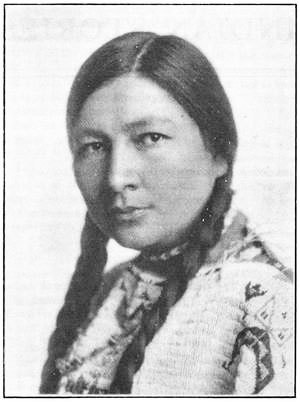
On January 26, 1938, Zitkála-Šá, life-long advocate for Native American rights and a resident of 261 North Barton Street in Lyon Park, died at age 61. She was buried under the name Gertrude Simmons Bonnin, in Arlington National Cemetery.

Zitkála-Šá 6

Image of Zitkála-Šá ca. 1921, courtesy of the Library of Congress

A nationally recognized Native American author and activist, Zitkála-Šá was a vocal proponent for citizenship rights for Native Americans. Born in South Dakota into a Yankton Dakota Sioux family, she thrived on the Yankton Indian Reservation until Quaker missionaries recruited some of the reservation’s children to attend a Quaker manual labor school where she was given the Christian name Gertrude Simmons. Although she enjoyed learning to read and write, she experienced first-hand the damage of having her heritage stripped away.

Feeling torn between her life on the reservation and her forced assimilation into white mainstream culture, Zitkála-Šá pursued higher education and distinguished herself as a public speaker on social and political issues.

“Folded hands lie in my lap, for the time forgot. My heart and I lie small upon the earth like a grain of throbbing sand. Drifting clouds and tinkling waters, together with the warmth of a genial summer day, bespeak with eloquence the loving Mystery round about us.”

"Why I Am A Pagan," Atlantic Monthly, Volume 90, 1902

Zitkála-Šá 4
Zitkála-Šá 5

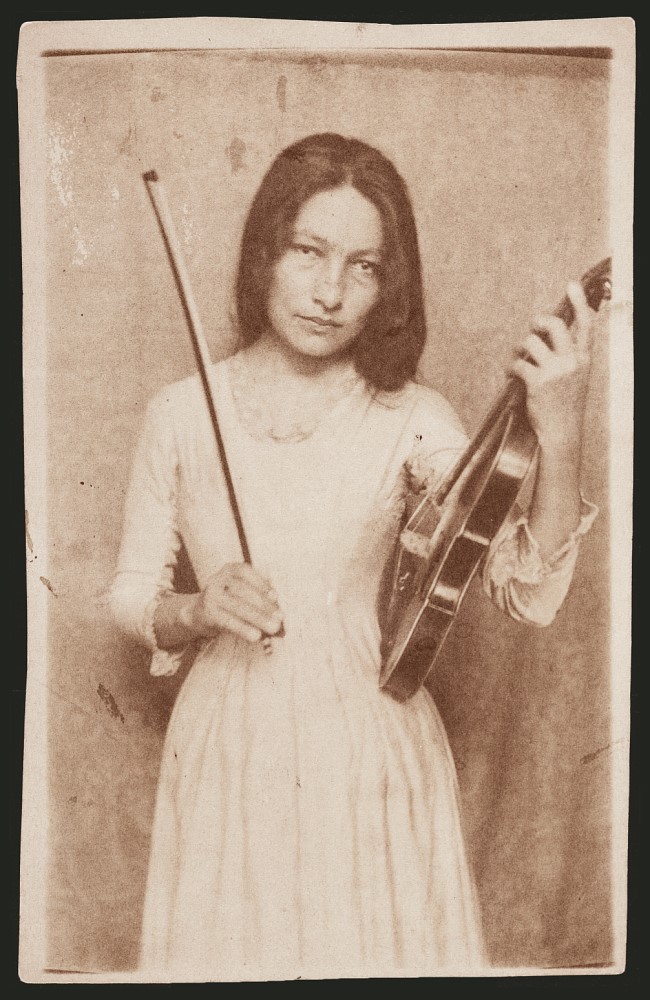
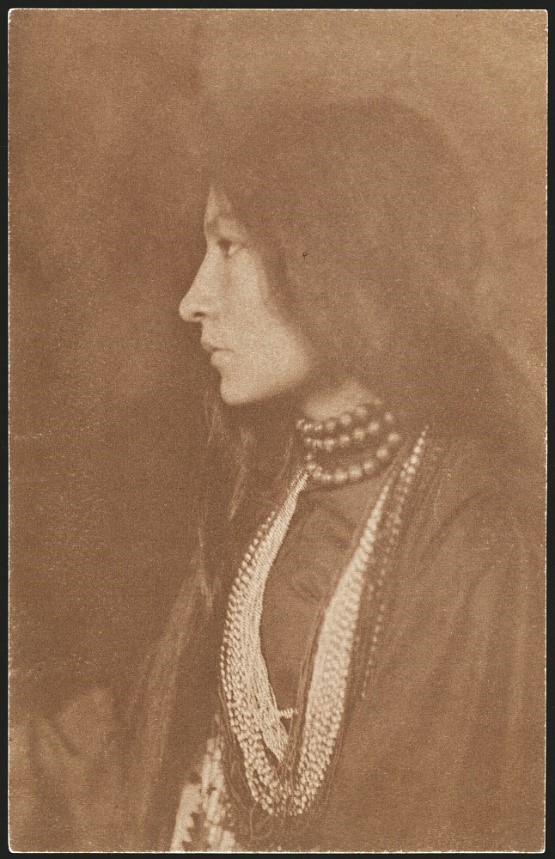
Zitkála-Ša photographs by Gertrude Käsebier, circa 1898. Image courtesy of the National Museum of American History.

Her largely autobiographical work on indigenous life was published by the Atlantic Monthly and Harper’s Monthly, including “Impressions of an Indian Childhood” and “The Trial Path” among many more. She collected tribal stories and legends into collections and authored poems examining the intersection of nature, Native American life, and mainstream white American life.

In 1910, she began a collaboration with composer William F. Hanson, and the subsequent “The Sun Dance Opera” was the first opera authored by a Native American (under the name Gertrude Simmons).

“It was next to impossible to leave the iron routine after the civilizing machine had once begun its day's buzzing; and as it was inbred in me to suffer in silence rather than to appeal to the ears of one whose open eyes could not see my pain, I have many times trudged in the day's harness heavy-footed, like a dumb sick brute.”

"The School Days of an Indian Girl," Atlantic Monthly, Volume 85, 1900

As a member of the Society of American Indians, Gertrude Simmons (the name she used in records and public affairs) lectured nationally and lobbied for citizenship rights for Native Americans who were not naturalized U.S. citizens by birth but could apply through pathways such as military service, renouncing tribal affiliations, or accepting land allotments. As a previous clerk for the Bureau of Indian Affairs, she criticized the bureau for its mistreatment of Indigenous children placed in national education systems that forced assimilation and Christian values.

Zitkála-Šá 3

Zitkála-Ša photographed by Joseph T. Kelley, 1898 (printed 1901). Image courtesy of the National Portrait Gallery.

In 1916, her husband, Captain Raymond Talefase Bonnin (also of Yankton descent), lost his position at the Bureau of Indian Affairs in Utah and they moved to Washington D.C. where, as editor of the Society of American Indian’s publication American Indian Magazine, Gertrude Simmons Bonnin wrote about and exhibited treatises on many controversial issues. In 1923, she co-authored “Oklahoma’s Poor Rich Indians: An Orgy of Graft and Exploitation of the Five Civilized Tribe, Legalized Robbery” which discussed theft and murder by corporations seeking access to Native American-owned oil-rich lands. The article is credited with influencing the development of the Indian Reorganization Act of 1934, which returned government and land management to Native Americans.

Zitkála-Šá 1

Group at the Artists Carnival and Book Fair of the National League of American Pen Women on April 15, 1920. Zitkála-Ša third from left.  Image courtesy of the Library of Congress.

On November 3, 1925, Gertrude and Raymond Bonnin purchased the stone bungalow at 261 North Barton Street in Arlington. from the first owners, Loyd and Bernice Claire. The Claires had built the house only one year earlier, having bought it from the well-known Lyon & Fitch real estate development. The Lyon & Fitch real estate team sold the Lyon Park subdivision properties with deed restrictions and covenants, including one preventing the property from being sold or rented to non-whites for a period of 99 years. The census recognized people of Native American ancestry as white and therefore the Bonnin's were not prevented from purchasing the property.

In 1924, the Indian Citizenship Act granted citizenship to all Native Americans, but did not automatically afford voting rights. In response, Gertrude Simmons Bonnin co-founded and presided over the National Council of American Indians to unify First Nations in the movement to gain voting rights, healthcare, legal standing, and land rights. She also created the Indian Welfare Committee of the General Federation of Women’s Clubs, speaking often in Washington, Arlington, and Fairfax.

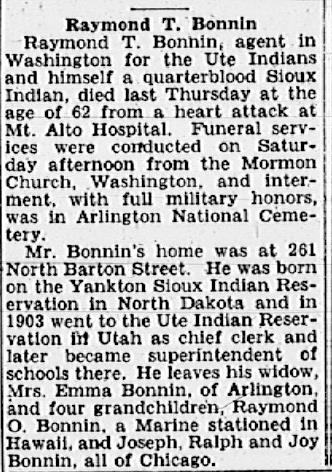
Gertrude Simmons Bonnin spent the remainder of her life in Arlington as president of the Council of American Indians, speaking and writing about the continuing political and social mistreatment of Native Americans. After her death, her husband continued to live in their home until his death in 1942 when the property was left in trust to their grandchildren.

Zitkála-Šá 2

Obituary for Zitkála-Ša’s husband, Raymond T. Bonnin. From The Northern Virginia Sun, October 2, 1942

References

United States of America, Bureau of the Census. Fifteenth Census of the United States, 1930. Washington, D.C.: National Archives and Records Administration, 1930. T626, 2,667 rolls.

Arlington County Land Records Office, various deeds pertaining to Gertrude S. Bonnin and R.T. Bonnin: Deed Book 609, p. 237, book 319, p. 64, and book 174, p. 152.

Zitkála-Šá, “The School Days of an Indian Girl”, Atlantic Monthly, Volume 85, 1900.

Zitkála-Šá, “Why I Am A Pagan”, Atlantic Monthly, Volume 90, 1902.

Further Reading

Lewandowski, Tadeusz. Red Bird, Red Power: The Life and Legacy of Zitkala-Ša, Norman: University of Oklahoma Press, 2016. (Available from the Library)

Susag, Dorothea M., Zitkala-Sa (Gertrude Simmons Bonnin): A Power(full) Literary Voice, Studies in American Indian Literatures, University of Nebraska Press, Series 2, Vol. 5, No. 4 (Winter 1993), pp. 3-24.

Tsjeng, Zing, Forgotten Women: The Leaders. London: Cassell Illustrated, 2018. (Available from the Library)

Capaldi, Gina. Red Bird Sings: the Story of Zitkala-̈Sa, Native American Author, Musician, and Activist, Carolrhoda Books, 2011. (Available from the Library)

2020 marks the centennial of women’s suffrage in the United States.

January 28, 2020 by Web Editor

The First Arlington County Fair

Post Published: January 15, 2020

For over 40 years the Arlington County Fair has been an important community event in both the County and Northern Virginia.

Arlington held its first County Fair in 1977, led by a nonprofit, all-volunteer group, which organized and operated the event.

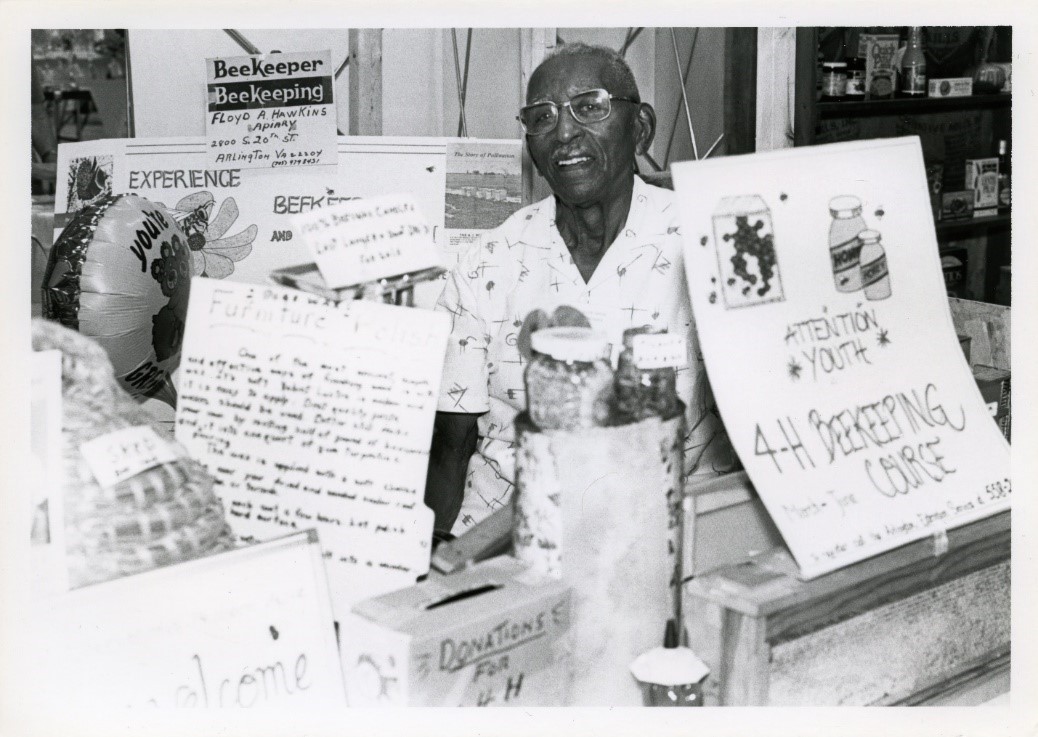
Floyd Hawkins, who at the age of 81 helped start the Arlington County Fair, and served as the Fair’s treasurer for 10 years, from 1977 to 1987.

Floyd Hawkins, who at the age of 81 helped start the Arlington County Fair, and served as the Fair’s treasurer for 10 years, from 1977 to 1987.
The Center for Local History conducted an oral history interview with Hawkins in 1986.

Harvest Day

The idea for the Fair emerged from the County’s community gardens program. Resident gardeners had been planning a Harvest Day to display the produce from the program’s 10 community garden plots. One thing led to another, and the idea expanded to involve more members of the Arlington community.

The First Arlington County Fair

The inaugural Arlington County Fair began on Friday, August 26, 1977, at the Thomas Jefferson Community Center. It started with a ribbon-cutting ceremony at noon and ended at 6 p.m. on Sunday, August 28.

It was noted at the time that Arlington's fair was the only event of this type held between Gaithersburg, MD, and Manassas, VA. It was also billed as one of the country's rare “urban fairs” – combining the elements of a traditional county fair in an urban setting. Anticipation for the Fair brewed around this melding of the new and old, as one reporter noted in an August 25, 1977 Washington Post preview:

“Where can an exceptional chrysanthemum raised on the tenth-floor balcony of the Crystal House apartment complex in Arlington receive its just due? Until this week, nowhere. However, if entered before 9 a.m. Friday it could be a blue-ribbon winner in the First Annual Arlington County Fair.”

Among the activities at the first Arlington County Fair were ribbon competitions in home arts, preserving, crafts, cake decorating, produce, flower arranging, individual flowers, paints, photography, sculpture, clothing, and baked goods. Also featured were exhibits and demonstrations of arts and crafts, as well as booths from groups such as the Arlington Office of Consumer Affairs and the Juvenile and Domestic Relations Court. The Arlington County Fair, according to Ware Page - the first chairman and a local freelancer in consulting and advertising - was designed to appeal to the diversity of Arlington’s population:

“Our fair is unique. It will reflect Arlington’s pluralistic nature. There will be religious groups, business interests, local gardeners, charity and community groups all under one roof.”

While there was a limited livestock showing at the event – two pigs, two sheep, and two goats imported from the 4-H club in Loudoun county – there was plenty of flora and fauna to go around. About 270 families were farming loaned plots established by the community garden program, and many of them participated in activities.

Like today, entrance to the first Arlington County Fair was free, and a variety of items were available for purchase among the many booths and vendors. But another important element of the typical rural fair (and today's County Fair) was missing in 1977 - a midway.

County Fair 4
County Fair 5

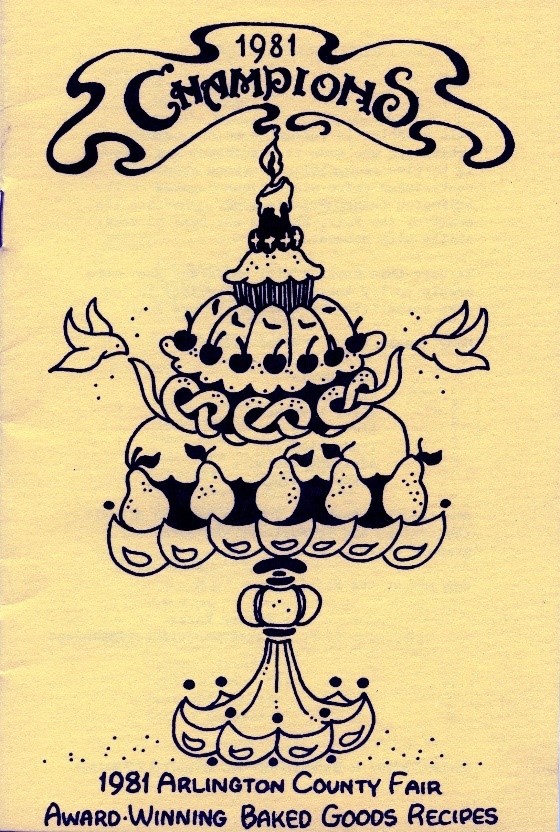
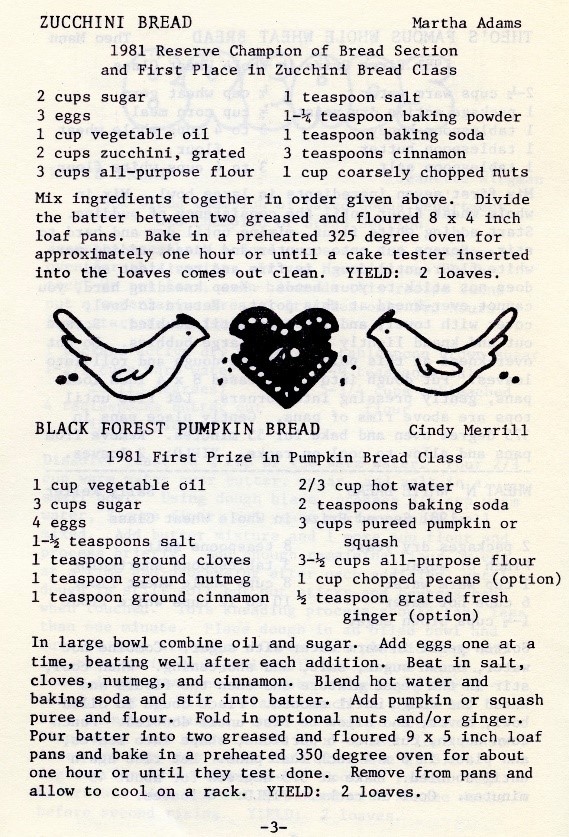
Excerpts from the compilation of winning recipes from the baked goods competition, 1981 Arlington County Fair.

County 2 Photo

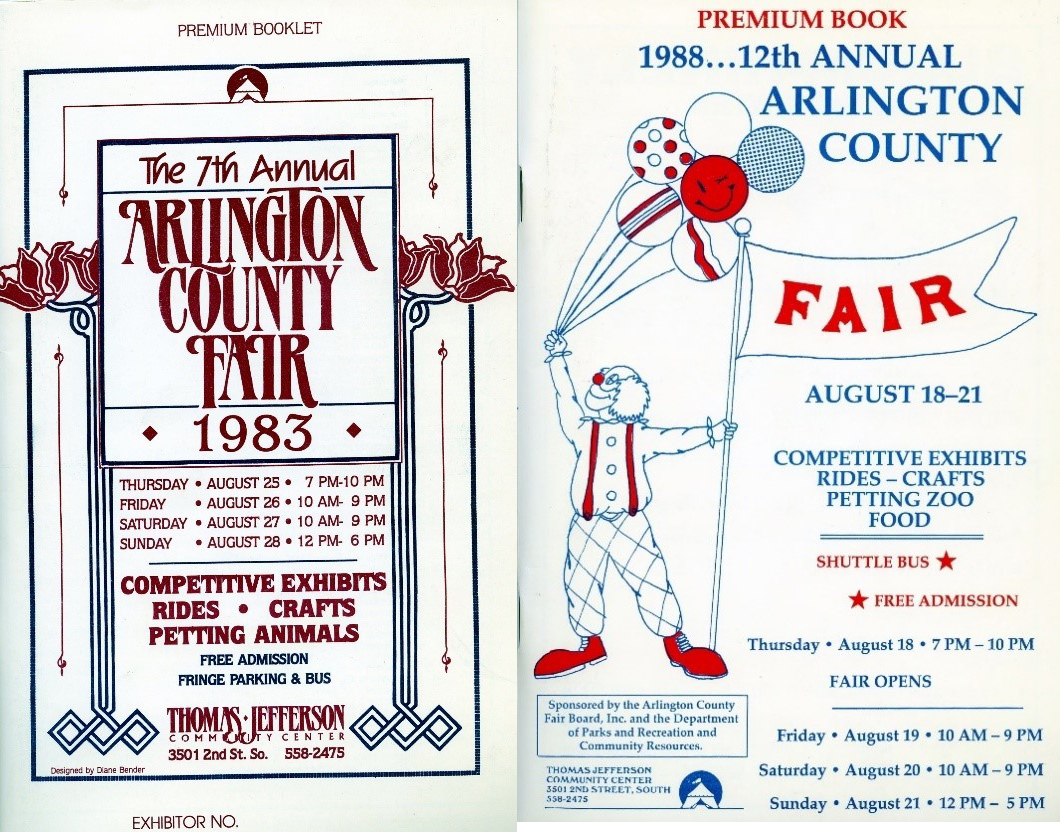
Arlington County Fair "premium booklets" from 1983 and 1988 include information about shuttle buses, competitions and schedules.

Rapid Growth in the 1980s

By 1983, only five years after the Arlington County Fair began, more than 200 booths and exhibitors were registered to exhibit over the Fair weekend. By 1984, the live entertainment boasted a diverse range of performers including a ventriloquist, the Old Dominion Cloggers, barbershop quartet music by the Arlingtones, bluegrass, jazz, big band music, and Hungarian folk songs. Karate demonstrations and aerobic dancing were also performed.

Livestock Out, Thrill Rides In

Livestock mostly ceased making any appearances after 1977, with a few exceptions (such as pony rides and racing piglets). Midway rides were added in later years.

County Fair 6

The Thomas Jefferson Community Center, where the Arlington County Fair has taken place since 1977.

"Yesterday, Today & Tomorrow"

The Arlington County Fair has become one of the largest free events on the East Coast, with attendance reaching over 84,000.

After the first few years, each County Fair has had a theme: “Arlington – Yesterday, Today & Tomorrow” (1986); “The Many Faces of Arlington” (2003); “Groovy Since 1977” (2016), which payed tribute to the County Fair’s origins, are just a few.

What will this year's theme be? We'll find out this summer when we see you at the County Fair!

To learn more about Arlington's history, visit the Center for Local History on the first floor of the Central Library.

Do you have a question about this story, or a personal experience to share? 

Use this form to send a message to the Center for Local History.

Center For Local History - Blog Post Message Form

Do you have a question about this story, or a personal experience to share? Use this form to send a message to the Center for Local History.

"*" indicates required fields

This field is for validation purposes and should be left unchanged.

Share Your Story

January 15, 2020 by Web Editor

The Library Director’s 2019 Playlist

Post Published: November 25, 2019

Forever "Too Cool for Yule"

Years ago I began creating a holiday playlist each November, known variously as “Don’t Touch that Dial,” the “Too Cool for Yule” blog, and more simply, the Director’s Playlist.

Each playlist is a collection of seasonal tunes -- from schlock (hopefully not too much of that) to rock and everything in between. By now we have managed to amass quite an eclectic set of “mix tapes.” This year is no exception.

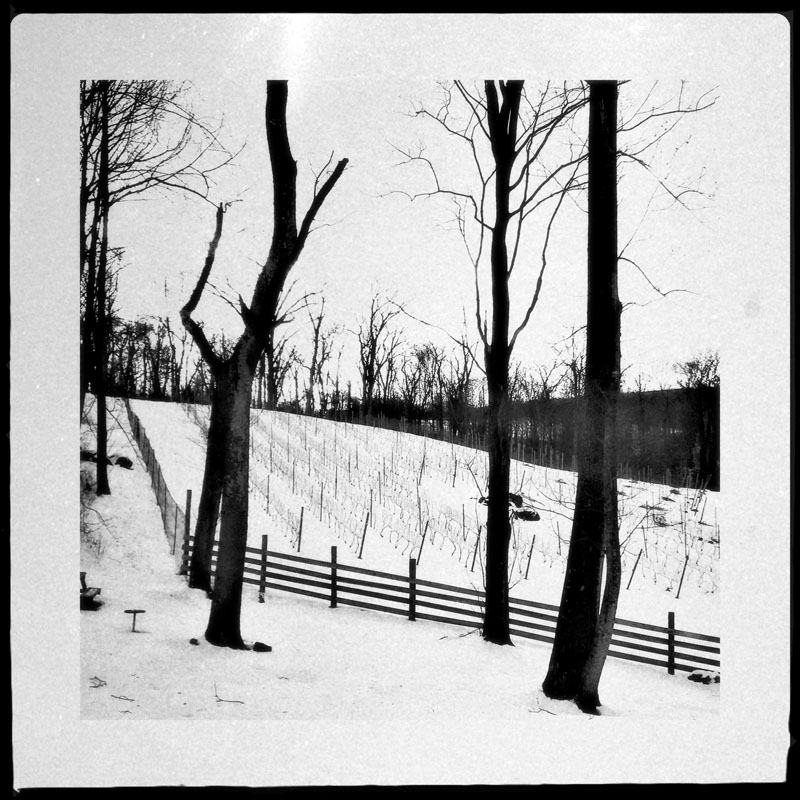
bare trees on a snowy hill next to a wood fence in winter

Before you start clicking and singing along, however, a couple of explanatory notes (pun intended) are in order:

Peter Tork (born Torkelson in 1942 in Washington, DC) died earlier this year.  Known as the keyboardist and bass player of The Monkees, Tork, along with Mickey Dolenz, Michael Nesmith and Davy Jones, formed the mid-sixties American answer to the Beatles and over the course of their career sold over 75 million records worldwide.  Not bad for a made for TV band (track 5).

Soul singer Roberta Flack (track 13) was raised in Arlington, and rose to prominence singing upstairs at Mr. Henry’s, the Capitol Hill bar and restaurant.  Established in 1966 by Henry Jaffe, within two years Jaffe hired a local school teacher to sing in the pub. “She told me that if I could give her work three nights a week, she could quit teaching,” Jaffe later recalled.  The singer, none other than Roberta Flack, would go on to win four Grammys for the songs “Killing Me Softly” and “The First Time Ever I Saw Your Face.”

I’ve closed this playlist as I did last year’s list with a song by Bob Dylan whose lyrics are as relevant today as they were when he wrote them. Released as the title track of his 1964 album of the same name, “The Times they are a Changin'” was Dylan’s attempt to create an anthem of change. Read through the lyrics and see if you agree.

The line it is drawn
The curse it is cast
The slow one now
Will later be fast
As the present now
Will later be past
The order is
Rapidly fadin'
And the first one now
Will later be last
For the times they are a-changin'.

Open playlist in Spotify

Whether you eat Chinese food and see a movie on Christmas Day, attend a church, binge watch “Mindhunter,” curl up with a good book or board game you borrowed from the library, or sit quietly with your thoughts, all of us at Arlington Public Library wish you and yours the very best.

Diane

Scrawled signature of Diane Kresh

November 25, 2019 by Web Editor Tagged With: yule blog

This Week in 19th Amendment History: National Woman’s Rights Convention

Post Published: October 22, 2019

October 23, 1850

Celebrate the 100th anniversary of the 19th Amendment with stories about the people and events that led to the passage of women’s suffrage in the United States.

On October 23, 1850, the first National Woman’s Rights Convention began in Worcester, Massachusetts. Amidst the ringing fervor of the mid-19th-century clarion call for expanding women’s rights – with the right to vote as its central tenet – this day would emerge as a significant step in solidifying the goals and action plan of the women’s suffrage movement in the United States.

Womans convention 2

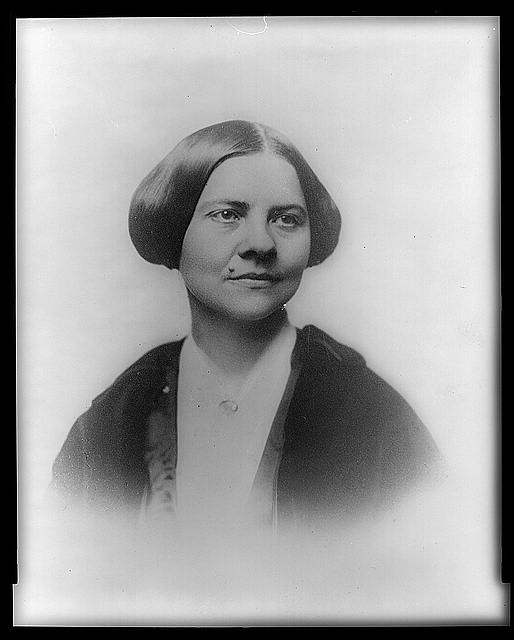
Lucy Stone, one of the Convention’s lead organizers and a speaker at the event.

Held over two days in Worcester, Massachusetts, the 1850 Woman’s Rights Convention was planned by members of the Anti-Slavery Society, among them Lucy Stone, Abby Kelley Foster, Paulina Wright Davis and Harriot Kezia Hunt.

Davis – a New York suffrage advocate who helped petition for the passage of the Married Women’s Property Act of 1848 – would later be elected president of the convention during the event’s proceedings.

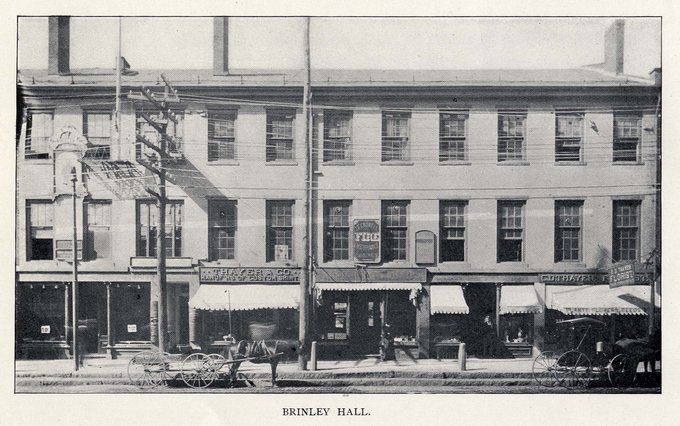
More than 1,000 delegates from 11 states gathered in Worcester’s Brinley Hall for numerous speeches on topics ranging from the right to vote, owning property, and women’s admittance to the fields of higher education, medicine, and the ministry.

Brinley Hall Postcard

Brinley Hall, Worcester, MA, where the National Woman’s Convention was held in 1850 and 1851. Photo from the Massachusetts State Library.

Among the convention’s attendees were Frederick Douglass, William Lloyd Garrison, and Sojourner Truth. Truth and many other prominent suffragists, including Ernestine Rose, Antoinette Brown and Lucretia Mott, delivered speeches over the course of the convention.

The press was largely derisive in its reporting on the convention. The New York Herald, for instance, attacked the speakers’ appearances and portrayed the attendees' demands as ridiculous, framing the convention in their headlines as an “Awful combination of socialism, abolitionism and infidelity. The Pantalettes striking for the Pantaloons. Bible and Constitution Repudiated.”

In a satirical take, the newspaper reported that the Woman’s Rights Convention organizers aimed to:

  1. abolish the Bible
  2. abolish the constitution and the laws of the land
  3. reorganize society upon a social platform of perfect equality in all things, of sexes and colors
  4. establish the most free and miscellaneous amalgamation of sexes and colors
  5. elect Abby Kelley Foster President of the United States and Lucretia Mott Commander-in-chief-of the Army
  6. cut throats ad libitum
  7. abolish the gallows

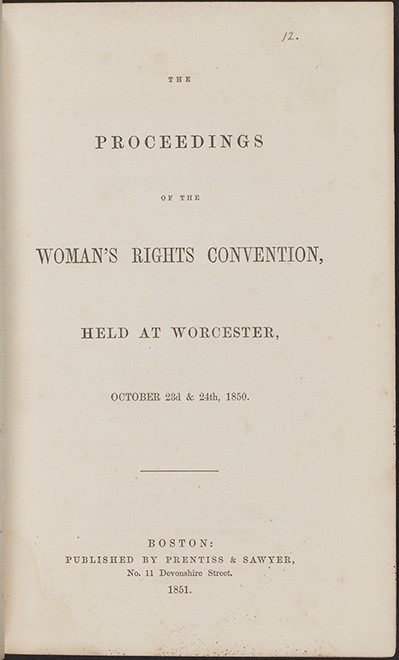
In some ways, this condescending portrayal helped expand the notoriety and message of the convention. The convention’s proceedings were recorded and sold after the event as pamphlets, gaining international readers and recognition.

Womans convention 1

The Proceedings of the Woman’s Rights Convention, held at Worcester, October 23d & 24th, 1850. Boston: Prentiss & Sawyer, 1851. Source: NAWSA Collection, Rare Book and Special Collections Division, Library of Congress (014.00.00)

The British writer and women’s rights advocate Harriet Taylor Mill was significantly inspired by the events of the convention, referencing the organizer’s work in her 1851 piece “The Enfranchisement of Women.”

The 1850 convention would be the first of many national events that would occur annually from this point forward for about a decade, setting a precedent for national suffrage organizing.

The twelfth and final Woman’s Rights Convention would be held in 1869 in Washington, D.C. This would be the last meeting of an organized suffrage front: later in 1869, the movement would split into two groups, divided by the issue of suffrage for other disenfranchised populations.

Under the leadership of Elizabeth Cady Stanton and Susan B. Anthony, the National Woman Suffrage Association directly opposed the 14th and 15th Amendments that would have allowed for African-American men to vote. Lucy Stone and others would go on to form the American Woman Suffrage Association, which supported the 15th Amendment. The suffrage movement would not see widespread unification again until 1890 with the establishment of the National American Woman Suffrage Association, bringing together Stanton, Anthony, Stone, Howe and other suffrage leaders, including Alice Paul and Mary Church Terrell. The group would hold its first convention in 1890 in Washington, D.C.

The 1850 National Woman’s Suffrage Convention represents a historic moment in the suffrage cause, on both scale and in terms of what resulted from the meeting. Although large suffrage conventions had been held in the past – most notably, the 1848 Seneca Falls Convention in New York -- this was the first time a convention of its sort was held on a national level.

This event set an organizing precedent within the suffrage movement for decades to come.

Learn more in “Women’s Suffrage in America: An Eyewitness History” by Elizabeth Frost-Knappman and Kathryn Cullen-DuPont, available at the Library.

2020 marked the centennial of women’s suffrage in the United States. 

October 22, 2019 by Web Editor

Oral History: Presidential Sightings

Post Published: October 9, 2019

Interview with Captain Carl Porter

Arlington Voices the Oral History Collection

Oral histories are used to understand historical events, actors, and movements from the point of view of real people’s personal experiences.

Carl Washburn Porter, a retired Navy captain and veteran of both world wars, lived in Arlington for most of his life.

Porter’s father worked in construction in the area during the early 20th century and Carl worked alongside his father during the summers, often using a horse-drawn wagon to bring construction supplies to job sites throughout the county.

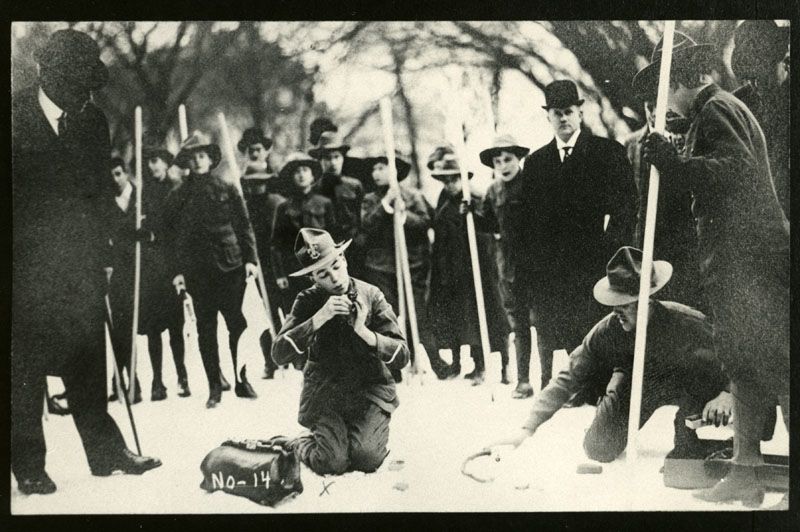
Young Carl Porter kneels in front of a row a Scouts to demonstrate fire building

Carl Porter as Boy Scout, c. 1909. Porter was a member of Troop #1, one of the first Boy Scout troops organized in the United States.

On more than one occasion during his childhood, Porter saw some famous faces in his travels around the area. Porter and his father even met President Wilson when their car broke down on Lee Highway! Porter shares that story, and other tales of Presidential sightings, in the following audio clip:

Narrator: Captain Carl Porter
Interviewer: Arthur W. True
Date: March 5, 1975

CP: While I am speaking of this, I also remember another time that my dad was going up Lee Highway (above Cherrydale) and we had a flat tire; and this was not uncommon in those days. And Dad had pulled over to the far side of the road and just started to work on the car, when another car pulled up behind. Someone got out and walked over, and it was – again, it was President Wilson, who was probably on his way up to the Golf Club – and stopped and asked if they could be of any help in fixing the tire. It shows how times have changed.

While I am mentioning this, I also recall that Theodore Roosevelt (a number of years before that), when he was President, he used to walk around the area between the White House and the Ellipse and Lafayette Park; and I remember seeing him standing out on the street in from of the old Boy’s YMCA on G Street, between 17th and 18th Street, with derby hat, frock coat, and pince-nez glasses. I remember his sons, approximately the same age as my brother and me – they attended Friends School in Washington – but they were, of course, just the same as any other boys: they liked to play baseball and whatnot; and when they went into the White House, they wouldn’t hesitate to barge in the front door and yell, “Ma, where is my baseball glove?” or something like that – any more than youngsters do that we are familiar with, or as we did ourselves.

Porter died in 1989, at age 92. You can find his oral history interview in its entirety in the Center for Local History - VA 975.5295 A7243oh ser.2 no.23.

Photo: Carl Porter, Boy Scout Troop #1, c. 1909.

The goal of the Arlington Voices project is to showcase the Center for Local History’s oral history collection in a publicly accessible and shareable way.

The Arlington Public Library began collecting oral histories of long-time residents in the 1970s, and since then the scope of the collection has expanded to capture the diverse voices of Arlington’s community. In 2016, staff members and volunteers recorded many additional hours of interviews, building the collection to 575 catalogued oral histories.

To browse our list of narrators indexed by interview subject, check out our community archive. To read a full transcript of an interview, visit the Center for Local History located at Central Library.

October 9, 2019 by Web Editor

Oral History: H-B Woodlawn Beginnings

Post Published: September 25, 2019

Arlington Voices the Oral History Collection

Interview with Ray Anderson, H-B Woodlawn Principal

It’s back-to-school season, so we're sharing a segment from a recent oral history recorded with Ray Anderson, former principal of the H-B Woodlawn Secondary Program.

H-B, as it’s commonly known, started in 1971 and spent almost fifty years on Vacation Lane in Cherrydale. This year the H-B Woodlawn Secondary Program moved to an entirely new building in Rosslyn to accommodate the growing number of students who want to attend the school.

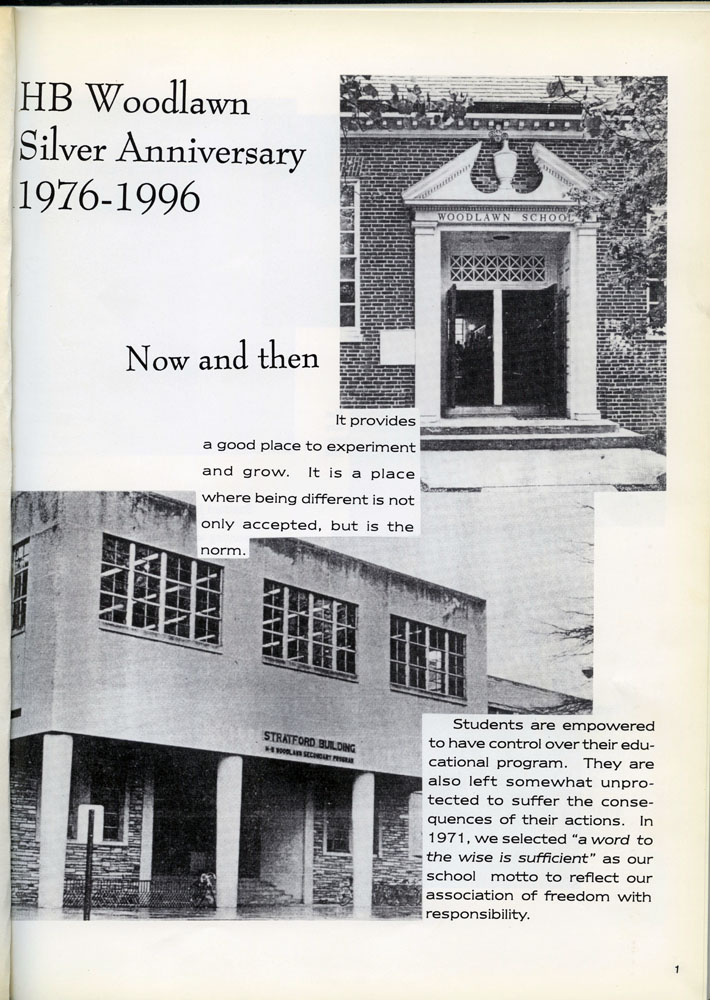
The photo caption from the 1996 H-B Woodlawn yearbook reads, "It provides a good place to experiment and grow. It is a place where being different is not only accepted, but is the norm."

We wish all Arlington students and teachers a good start to the school year!

hbwoodlawn_anderson_yearbook

1996 H.B. Woodlawn yearbook, page 1.

Narrator: Ray Anderson
Interviewer: Emily Curley
Date: January 23, 2019

RA: I decided I—conventional school was too conventional for me and I was lucky enough to write up an idea, after two years, for a separate school. And in fact, I have the memo I wrote with me and in January of 1971, I commented on the racial, economic and social diversity of Arlington [0:07:00] and conditions in the schools and particularly at Wakefield. I made some recommendations about Wakefield and the last half of my memo started, “I recommend a system of rigid and closely supervised discipline.” Wow. Okay? “Since many of our present students and faculty will find that such system inhibits the learning process for them, I further recommend the establishment of a new high school in Arlington.” And then I go on for a couple of pages on what that would be.

It got passed around in Arlington, people wrote me notes and stuff like that. By March of ’71—because this is all reflecting the times, right?—the school board was having a hearing because they had three elementary schools they were closing to open the new Glebe School and they were closing Woodlawn, Langston, and Lee. Lee is now an art center on Lee Highway. Langston is still in the school system and used for educational purposes and a community center as well. And Woodlawn is now the hospice.

So I went to the school board and I gave them this memo, which is entitled, “A Proposal for an Experimental Free High School to be Created by the Arlington County School Board.” And it’s three pages long. That was kind of interesting but I didn’t expect anything to happen.

You can find Ray Anderson's interview in its entirety in the Center for Local History - VA 975.5295 A7243oh ser.3 no.425. Photo: 1996 H.B. Woodlawn yearbook, page 1. Call number: VA/X371.805 H431y 1996. Cover photo: Community Archives, Arlington Structures and Places, 1996-2006, H.B. Woodlawn, 1996, Object 933.

You can learn more about the history of H-B Woodlawn, including the new building in Rosslyn, on the H-B Woodlawn Secondary School website.

September 25, 2019 by Web Editor

  • « Go to Previous Page
  • Page 1
  • Interim pages omitted …
  • Page 17
  • Page 18
  • Page 19
  • Page 20
  • Page 21
  • Interim pages omitted …
  • Page 26
  • Go to Next Page »

Primary Sidebar

News

Holiday: All library locations to close early at 5 p.m. on Nov. 25 and all day Nov. 26 & 27 in observance of Thanksgiving.

The Shop will be closed Nov. 26 - 28. The … ... about Holiday: All library locations to close early at 5 p.m. on Nov. 25 and all day Nov. 26 & 27 in observance of Thanksgiving.

Read More News
See More Service Updates

Center for Local History

Large banner that reads, “Let there Be Peace on Earth” displayed near the Pentagon following the 9/11 terrorist attacks. Photo credit Diane Kresh. Charlie Clark Center for Local History, 133-01-02-01-130

Resilience and Community

September 11, 2001 "When terrorists slammed into … ... about Resilience and Community

Read More Local History

Director’s Blog

An American flag is draped over a portion of the Pentagon near where the structure was hit by a plane during the 9/11 attack. Photo credit Diane Kresh. Charlie Clark center for Local History, 133-01-02-01-107

On the 25th Anniversary of September 11

"Never Forget." When I hear that phrase today, … ... about On the 25th Anniversary of September 11

More Director's Blog

Footer

About Us

  • Mission & Vision
  • Charlie Clark Center for Local History
  • News Room
  • Get Email Updates

Administration

  • Policies
  • Library Staff
  • Job Opportunities
  • Propose a Program or Partnership

Support Your Library

  • Friends of the Library
  • Giving Opportunities
  • Donating Materials
  • Volunteer Opportunities

Our Mission

We champion the power of stories, information and ideas.

We create space for culture and connection.

We embrace inclusion and diverse points of view.


Download the Library App

Download the Library App

Arlington County | Terms & Conditions | Accessibility | Site Map
· Copyright © 2026 Arlington County Government ·